Low Light Plants That Thrive in Dark Corners and Brighten Any Home
Indoor gardening often feels challenging when natural sunlight is limited. Many homes, apartments, offices, and small spaces have rooms that rarely receive direct sunshine. Dark hallways, shaded bedrooms, windowless bathrooms, and north-facing rooms can seem impossible to decorate with greenery.
The good news is that plenty of beautiful houseplants thrive in these conditions. Some species naturally grow beneath dense forest canopies where sunlight barely reaches the ground. These resilient plants adapt remarkably well to dim environments, making them perfect for beginners and experienced plant lovers alike.
A few carefully chosen green companions can transform a dull corner into a refreshing retreat. They add texture, color, and life while helping create a calming atmosphere. Some varieties even help improve indoor air quality and require very little maintenance.
The following selections stand out for their beauty, adaptability, and ability to flourish where many other plants struggle. Some may surprise even seasoned indoor gardeners.
Snake Plant
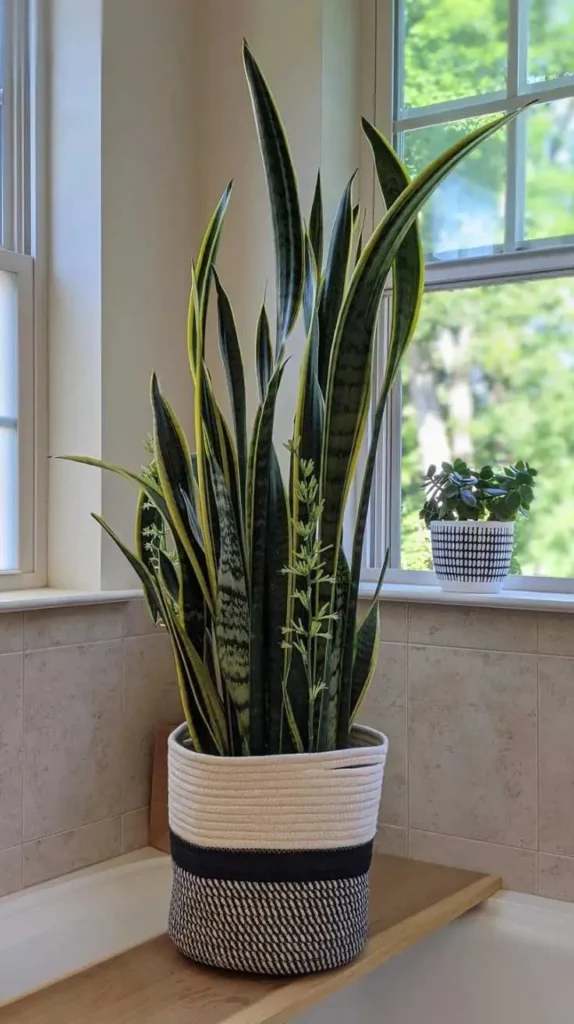
The Snake Plant is often considered one of the toughest houseplants available. Its upright sword-shaped leaves create a striking architectural look that complements modern, traditional, and minimalist interiors alike.
One reason this plant remains a favorite is its incredible tolerance for neglect. It handles dim conditions exceptionally well and continues growing even when placed far from windows. While brighter indirect light encourages faster growth, it performs admirably in areas where sunlight is scarce.
Its thick leaves store moisture, allowing it to survive missed watering sessions without difficulty. This characteristic makes it ideal for busy homeowners or those new to indoor gardening. The deep green foliage often features attractive yellow or silver variegation, adding visual interest throughout the year.
A bedroom corner, office desk, or shaded hallway can instantly feel more inviting with this hardy plant. Few indoor plants combine durability and beauty so effortlessly.
ZZ Plant
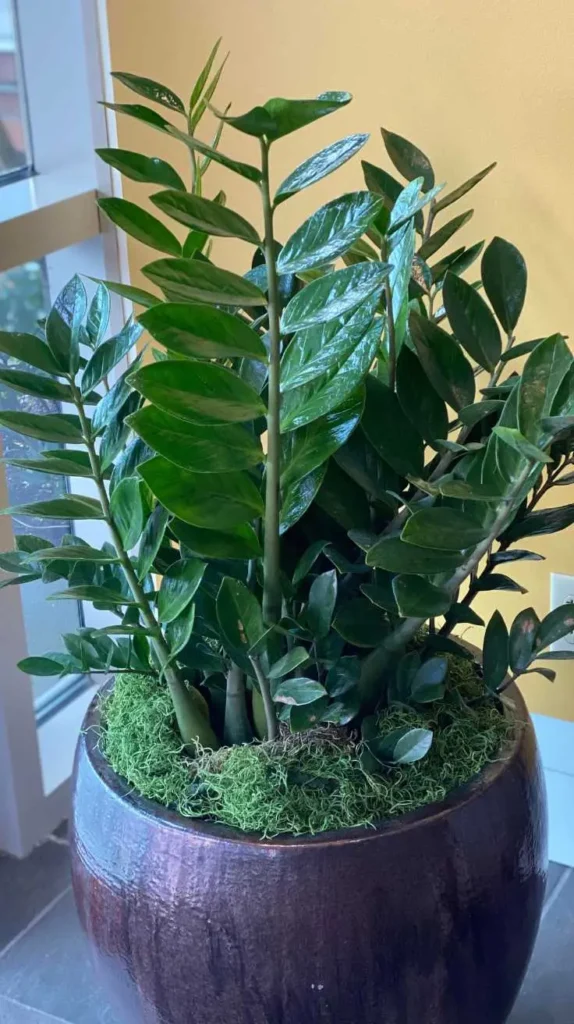
The ZZ Plant has gained tremendous popularity among indoor gardening enthusiasts, and for good reason. Its glossy leaves look almost artificial because they remain shiny and vibrant with minimal care.
Native to drought-prone regions, this resilient plant stores water in underground rhizomes. As a result, it tolerates inconsistent watering and adapts well to indoor environments with limited light exposure.
Dark green leaflets grow along elegant stems, creating a lush and sophisticated appearance. Even in offices illuminated primarily by artificial lighting, this plant often maintains healthy growth. Such adaptability makes it a reliable choice for apartments, commercial spaces, and homes with few sunny windows.
The attractive foliage reflects light beautifully, helping brighten dim areas without requiring constant attention. Those seeking a nearly foolproof houseplant often discover that this variety exceeds expectations while remaining stunning year-round.
Pothos
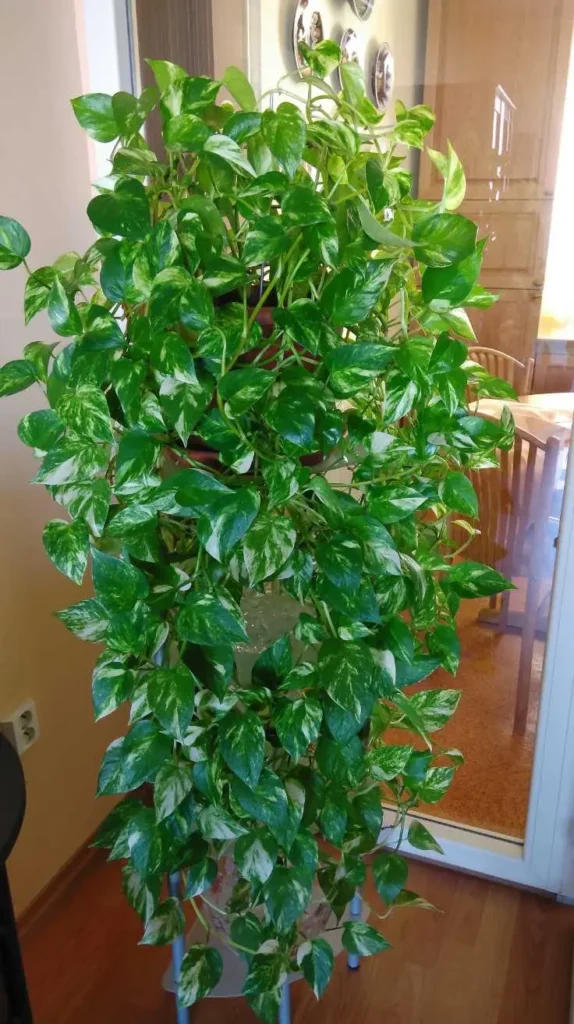
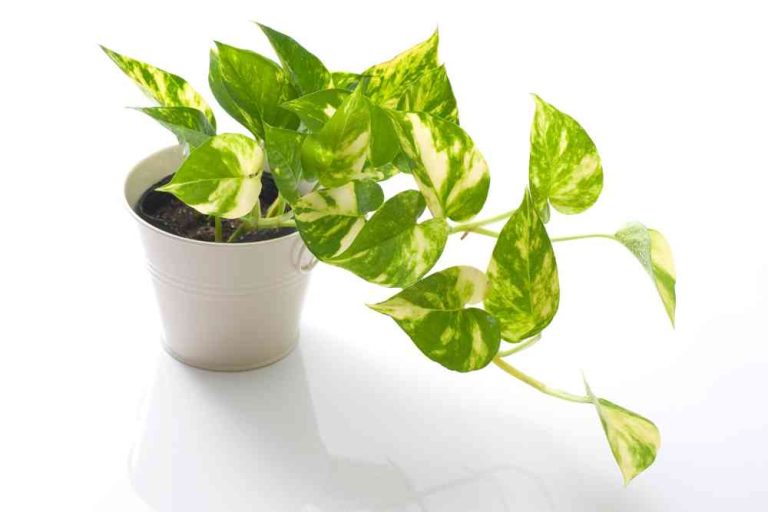
Pothos is a beloved trailing plant known for its versatility and easy-care nature. Long cascading vines create a graceful display that works wonderfully in hanging baskets, shelves, bookcases, and decorative planters.
Its heart-shaped leaves appear in various patterns and shades, including green, gold, cream, and marbled combinations. These colorful variations help add character and visual warmth to indoor spaces.
One of the most appealing qualities of Pothos is its ability to tolerate lower light conditions. Although brighter indirect light encourages stronger variegation, the plant continues to grow successfully in dimmer locations where many species would struggle.
Fast growth makes it especially rewarding for beginners. Vines can quickly extend across shelves or trail elegantly from elevated surfaces, creating a lush indoor jungle effect. Regular trimming also allows easy propagation, meaning a single plant can eventually produce multiple beautiful additions throughout the home.
Peace Lily
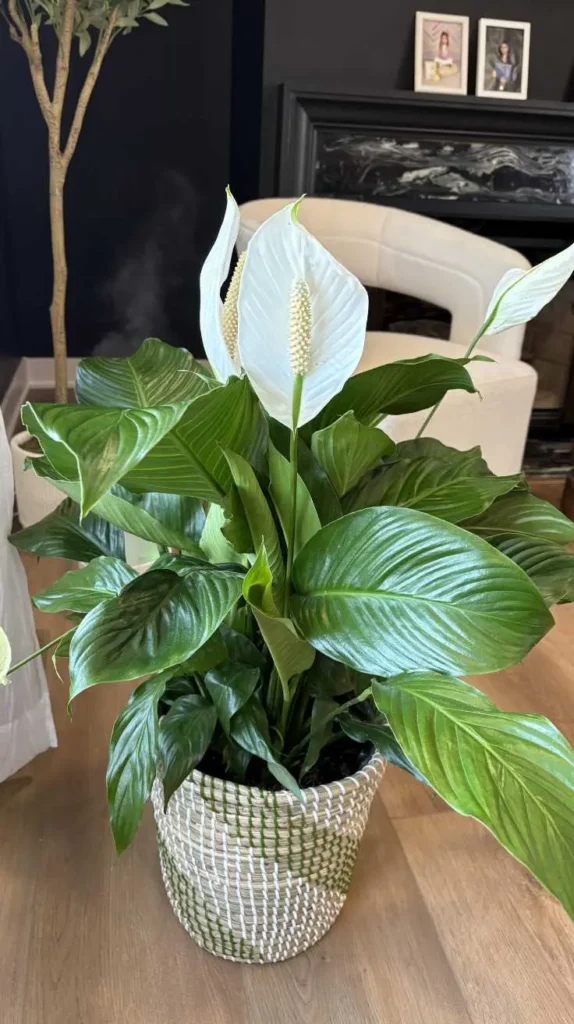
Peace Lily brings elegance and sophistication to indoor environments through its rich green foliage and distinctive white blooms. Few shade-tolerant plants offer such an attractive combination of leaves and flowers.
Its graceful appearance works beautifully in living rooms, bedrooms, entryways, and office settings. The glossy leaves create a vibrant tropical feel even when sunlight is limited.
Unlike many flowering houseplants, Peace Lily adapts remarkably well to low-light conditions. While blooming may increase under brighter indirect light, the plant maintains healthy foliage growth in shaded areas.
Another feature that makes it popular is its dramatic communication style. When thirsty, the leaves droop noticeably, providing a clear signal that watering is needed. After receiving moisture, the foliage often rebounds quickly.
The contrast between deep green leaves and elegant white flowers creates a timeless look that instantly elevates interior décor while remaining surprisingly easy to maintain.
Chinese Evergreen
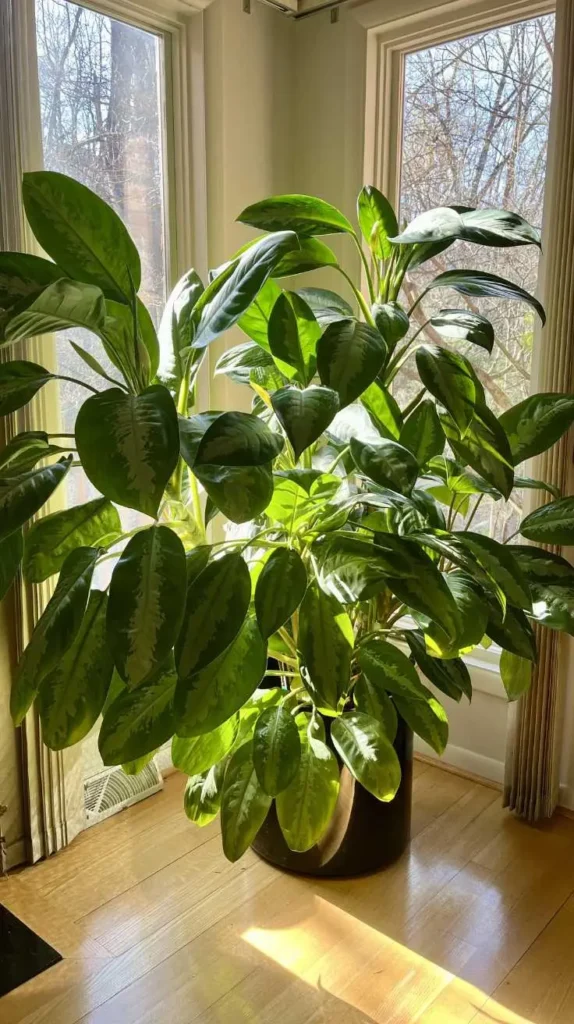
Chinese Evergreen is celebrated for its beautiful foliage and extraordinary adaptability. Plant enthusiasts frequently recommend it to beginners because of its forgiving nature and consistent performance indoors.
The leaves come in an impressive range of colors and patterns. Depending on the variety, foliage may display shades of silver, cream, pink, red, or deep green. These decorative features provide year-round interest even without flowers.
This plant naturally grows in tropical forest understories, making it exceptionally well suited to shaded environments. It tolerates low-light conditions better than many colorful houseplants, allowing homeowners to enjoy vibrant foliage in areas that receive little natural sunshine.
Slow, steady growth reduces maintenance requirements while preserving a neat appearance. Combined with its ornamental beauty and durability, Chinese Evergreen remains one of the most reliable choices for creating an attractive indoor plant collection.
Cast Iron Plant
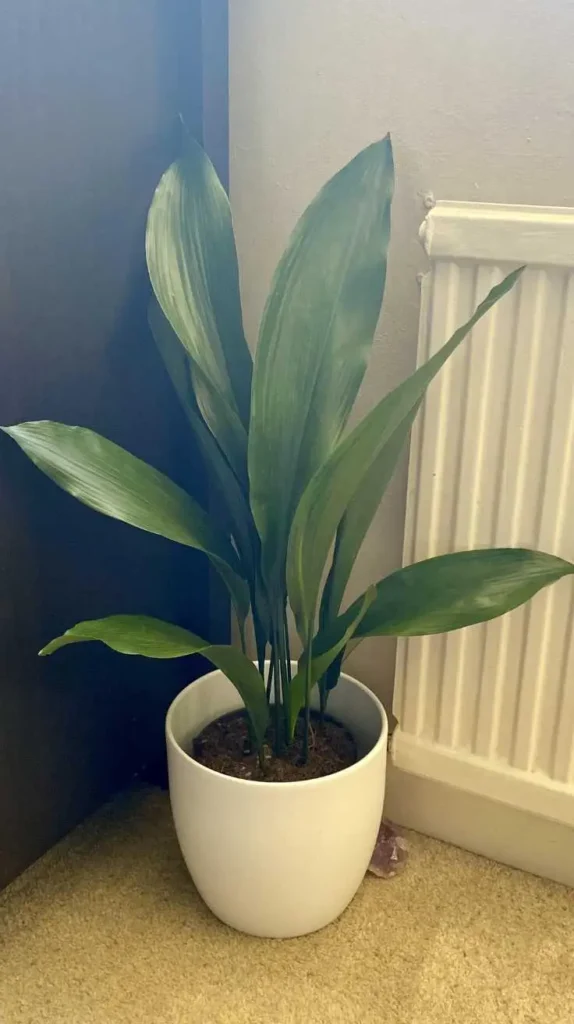
The Cast Iron Plant earned its name through an almost legendary ability to withstand challenging conditions. Few houseplants demonstrate such resilience in low-light environments.
Long, arching leaves emerge directly from the soil, forming dense clumps of rich green foliage. The plant’s simple yet elegant appearance works particularly well in traditional interiors, offices, and shaded entryways.
Low humidity, irregular watering, and limited sunlight rarely cause significant problems. This impressive tolerance makes it a dependable choice for people who want attractive greenery without constant maintenance.
Unlike more delicate tropical species, the Cast Iron Plant grows steadily and maintains its appearance through changing indoor conditions. Its durability has made it a favorite for generations of plant lovers seeking dependable greenery.
A forgotten corner that seems unsuitable for plants can often become a thriving display area with this remarkably tough species.
Philodendron
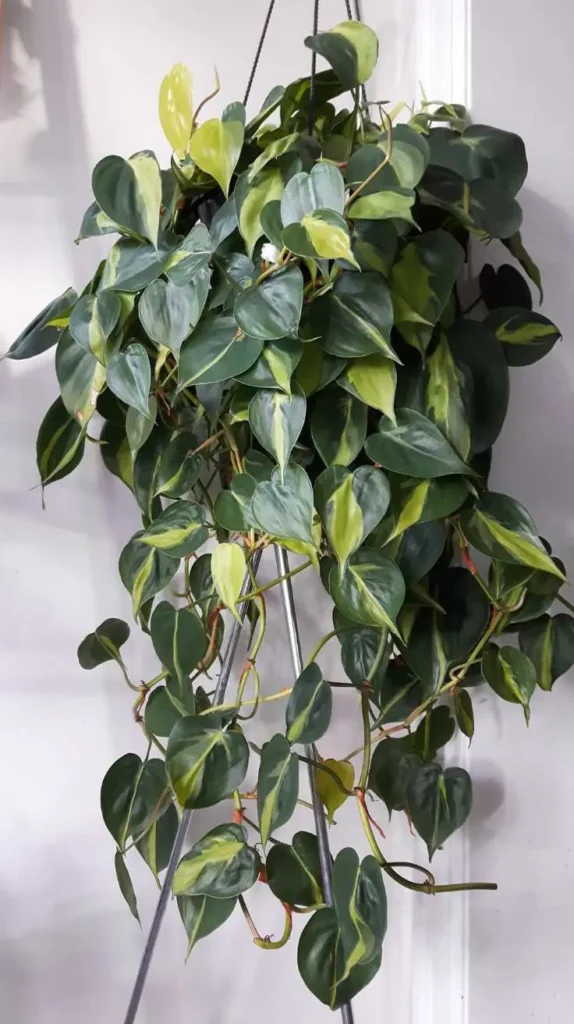
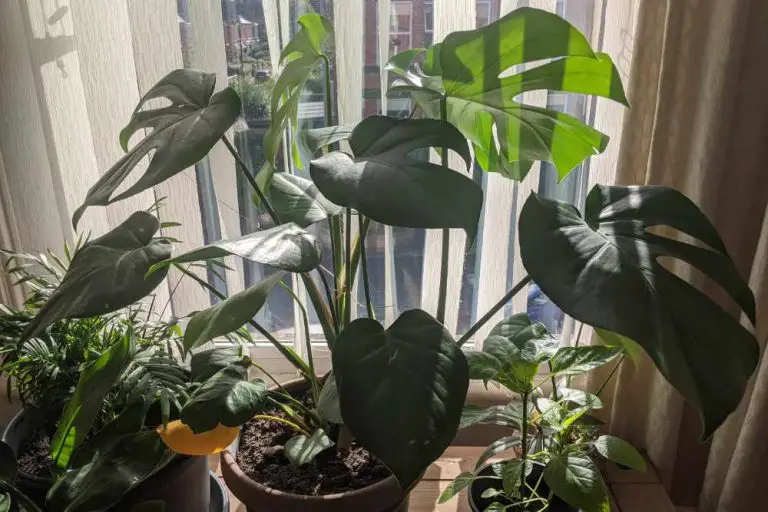
Philodendrons have become indoor gardening classics thanks to their adaptability and attractive foliage. Many varieties thrive in dim conditions, making them excellent additions to homes with limited natural light.
Heart-shaped leaves create a lush tropical appearance that softens interior spaces and introduces natural beauty throughout the year. Climbing and trailing varieties offer flexibility for shelves, hanging planters, and decorative supports.
One of the greatest advantages of Philodendrons is their forgiving nature. They tolerate occasional neglect while continuing to produce healthy growth. Moderate watering and indirect light are typically enough to keep them looking vibrant.
The rich green foliage contributes to a calming atmosphere, making these plants especially popular in bedrooms, reading nooks, and home offices. Their combination of elegance and simplicity explains why they remain among the most cherished indoor plants worldwide.
Spider Plant
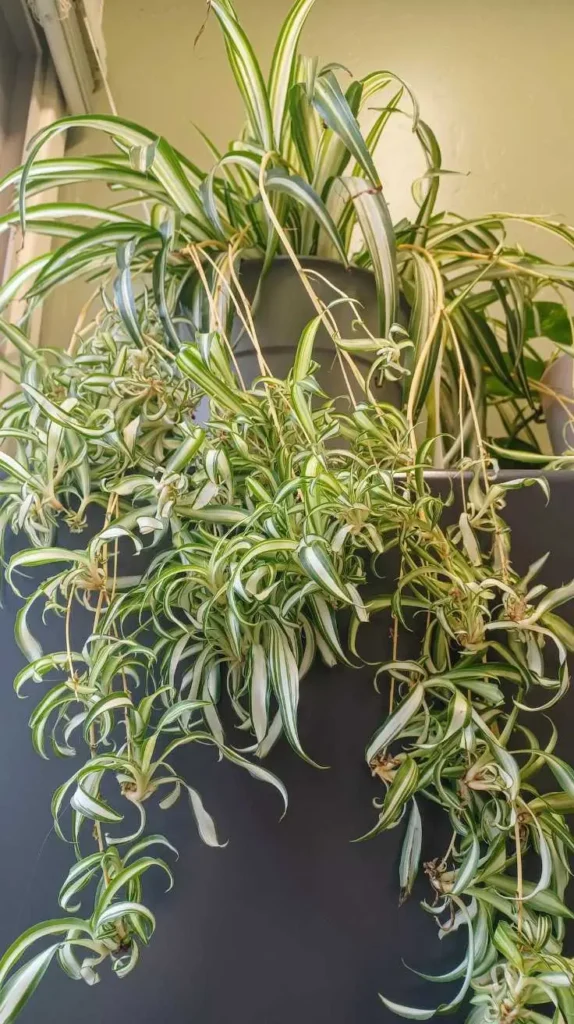
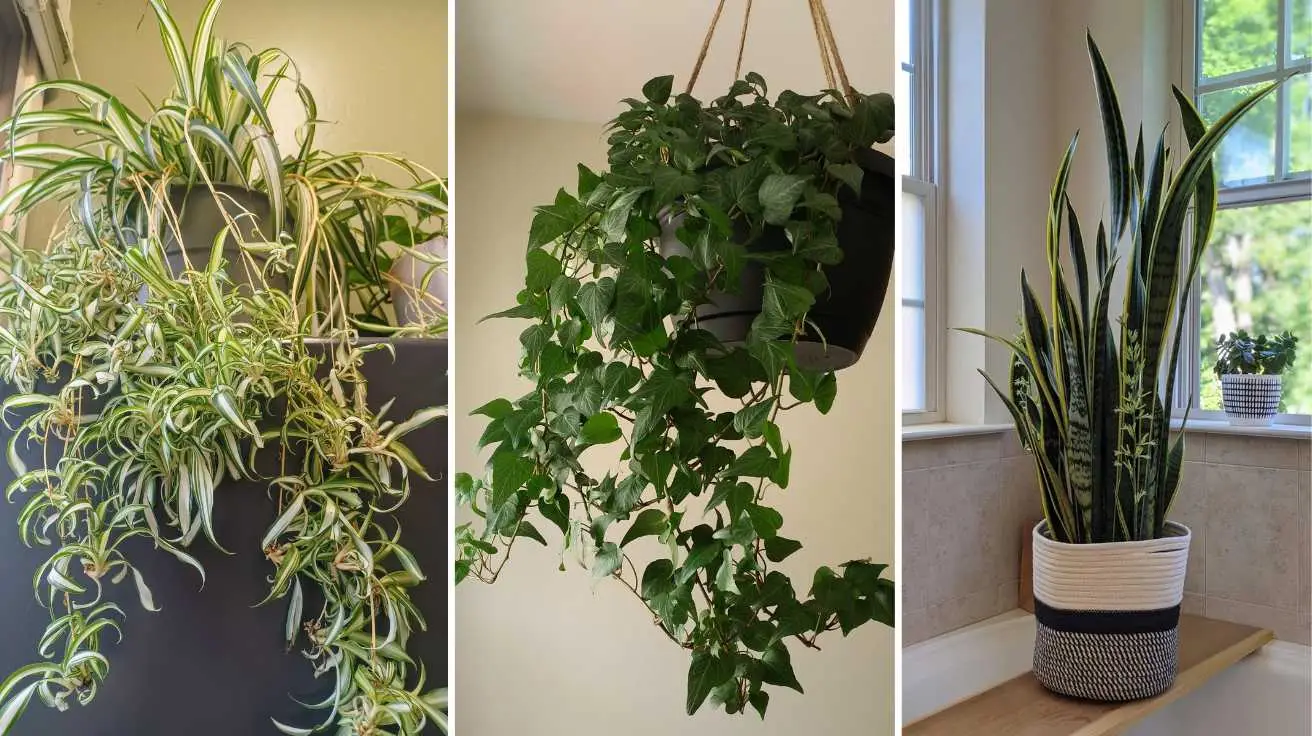
Spider Plant remains one of the most recognizable and beginner-friendly houseplants available. Its graceful arching leaves feature green and white stripes that instantly brighten indoor spaces. The plant develops a lively, cascading appearance as it matures, making it perfect for hanging baskets, shelves, and plant stands.
One of the reasons homeowners love Spider Plant is its adaptability. It tolerates low-light environments surprisingly well, although moderate indirect light encourages faster growth. In shaded rooms, the foliage still maintains its attractive appearance and continues producing new leaves throughout the year.
A mature specimen often develops long stems called runners that produce miniature plantlets. These baby plants dangle elegantly from the parent plant, creating a dramatic display that attracts attention. The plant’s forgiving nature makes it ideal for those who occasionally forget watering schedules.
For anyone seeking a charming, low-maintenance addition to an indoor garden, Spider Plant delivers beauty, resilience, and endless visual appeal.
Parlor Palm
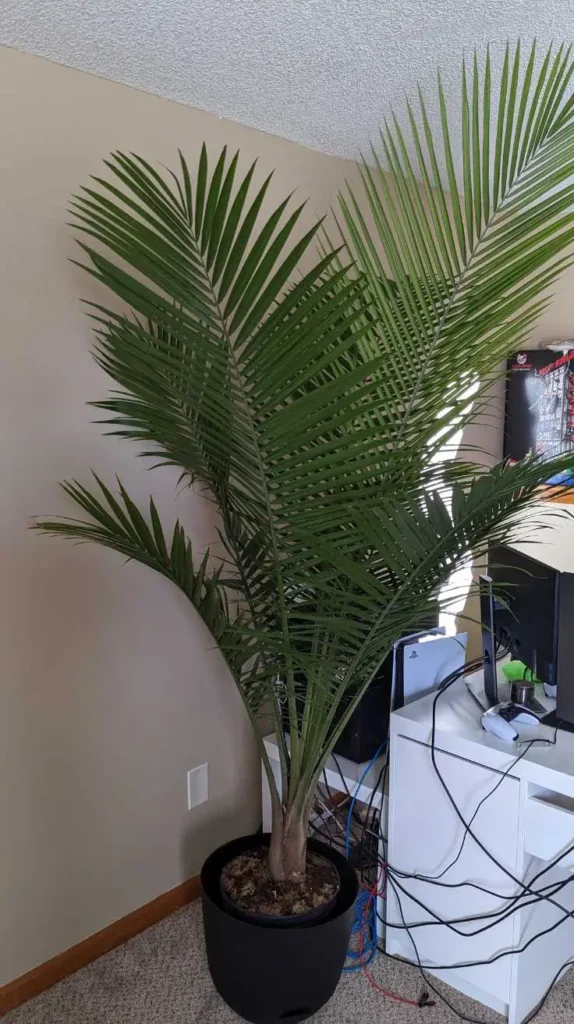
Parlor Palm has decorated homes for generations and continues to be a favorite among indoor plant enthusiasts. Its soft, feathery fronds create a relaxed tropical atmosphere that instantly makes a room feel more welcoming.
Unlike many palms that require bright sunlight, this variety performs exceptionally well in shaded interiors. It naturally grows beneath larger trees in tropical forests, making it highly adaptable to indoor environments with limited natural light.
The elegant foliage introduces texture and movement to a space without overwhelming the surrounding décor. It works beautifully in living rooms, offices, bedrooms, and even apartment corners that rarely receive direct sunshine.
Another appealing characteristic is its slow growth. The plant maintains a manageable size for years, reducing the need for frequent repotting. Combined with its tolerance for average indoor humidity levels and simple care requirements, Parlor Palm remains one of the most dependable choices for creating a lush indoor retreat.
Heartleaf Philodendron
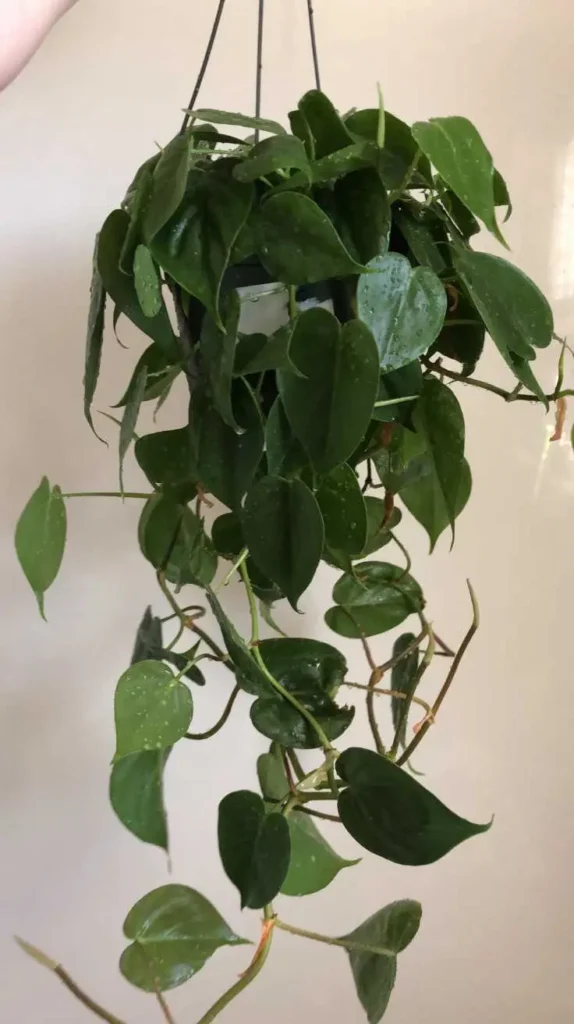
Heartleaf Philodendron is a timeless favorite that combines simplicity, elegance, and adaptability. Its trailing vines produce beautiful heart-shaped leaves that add softness and greenery to any room.
This plant performs exceptionally well in low-light environments, making it ideal for homes with limited sunlight exposure. Although growth may slow slightly in darker conditions, the plant continues to produce healthy foliage and maintain its attractive appearance.
The cascading vines create endless decorating possibilities. They can drape from bookshelves, trail down cabinets, or climb supports for a more vertical display. This versatility allows homeowners to customize their indoor greenery according to available space.
Heartleaf Philodendron is also remarkably forgiving. Occasional missed waterings rarely cause serious issues, and the plant quickly recovers when proper care resumes. Its easy-going nature makes it one of the best choices for beginners looking to build confidence in indoor gardening.
Dracaena
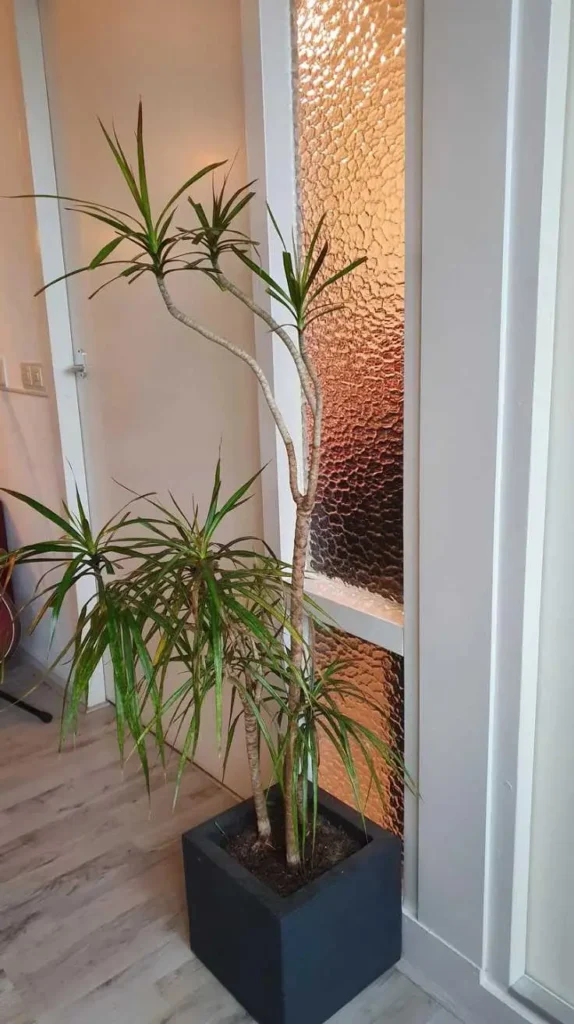
Dracaena offers a sophisticated look that complements modern and traditional interiors alike. With its slender stems and striking foliage, it brings height and structure to indoor plant displays.
Several Dracaena varieties thrive in low-light settings, making them suitable for offices, apartments, and rooms with shaded windows. The leaves often feature beautiful combinations of green, cream, yellow, or red, creating year-round visual interest.
One of the biggest advantages of this plant is its ability to maintain a polished appearance with minimal attention. It does not require frequent watering and generally adapts well to average household conditions.
Placed in an empty corner or near a piece of furniture, Dracaena creates a natural focal point without demanding constant care. Its elegant shape and colorful foliage help transform otherwise overlooked spaces into attractive areas filled with life and character.
English Ivy
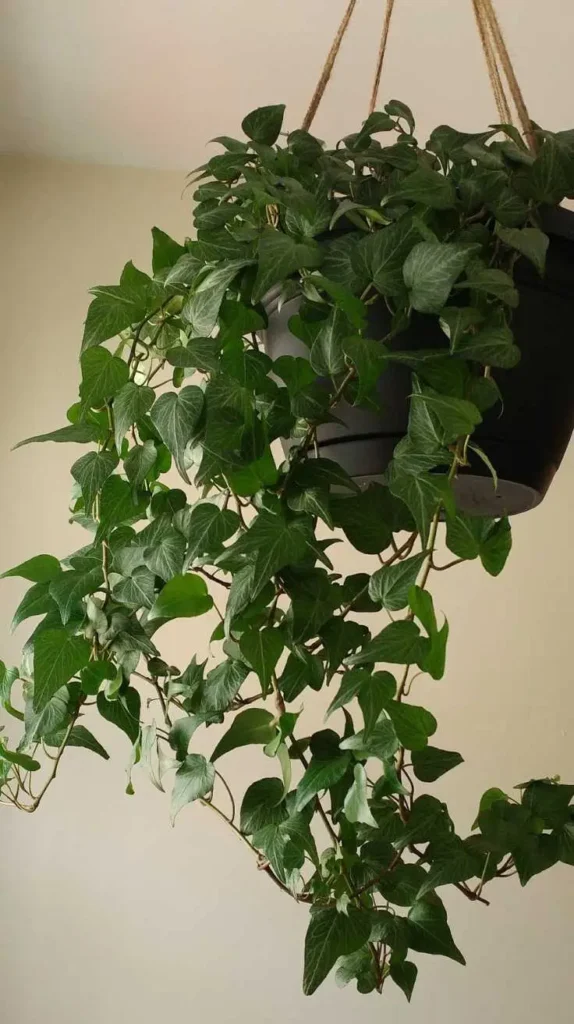
English Ivy brings classic charm and timeless beauty to indoor spaces. Its trailing vines and distinctive leaf shapes create a lush, romantic appearance that works well in a variety of decorating styles.
The plant adapts reasonably well to lower light conditions, especially when compared to many other trailing species. Although brighter indirect light promotes fuller growth, it can still flourish in shaded rooms with proper care.
English Ivy is particularly effective when displayed in hanging baskets or elevated containers. The cascading vines create dramatic visual interest and help soften hard architectural lines within a room.
Its dense foliage contributes texture and depth to indoor plant arrangements, making it an excellent companion to upright species such as Snake Plant or Dracaena. The combination of graceful growth and adaptability continues to make English Ivy a popular choice among indoor gardeners seeking elegant greenery.
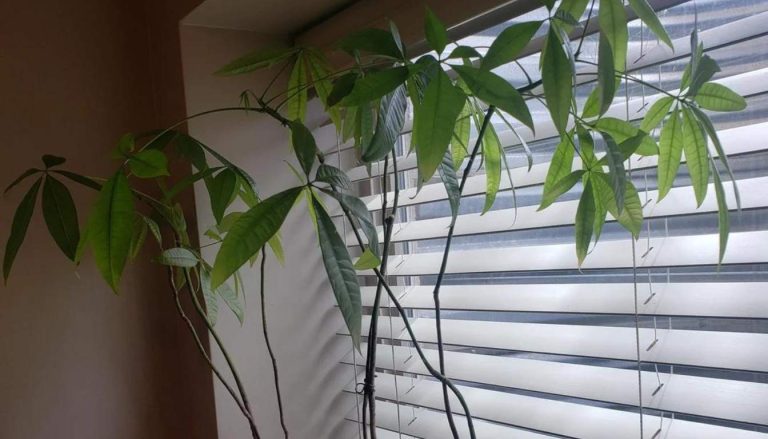
Lucky Bamboo
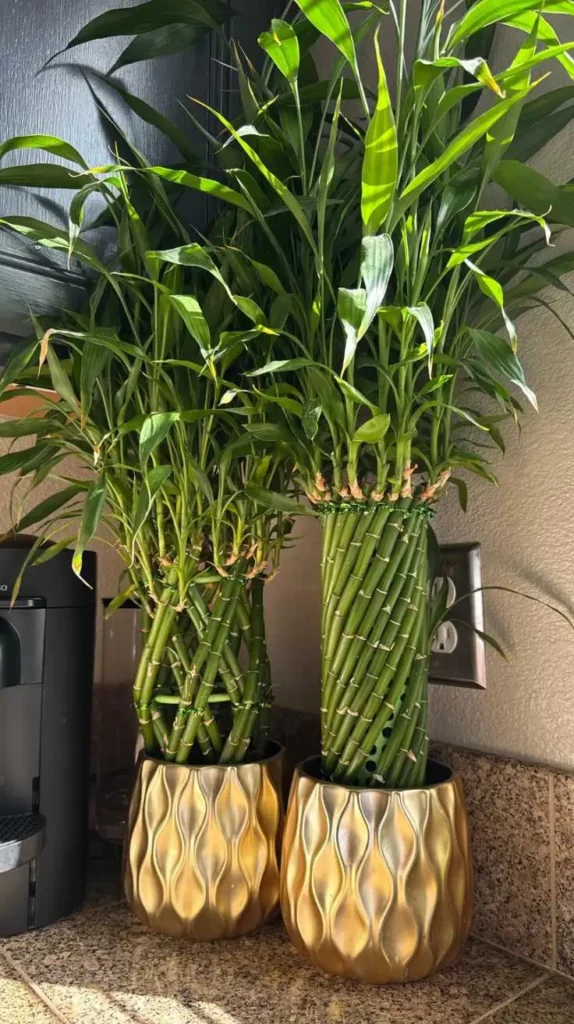
Lucky Bamboo is admired for its unique appearance and strong association with balance, prosperity, and positive energy. Despite its name, it is not actually bamboo, yet its upright stems and compact growth habit make it a distinctive decorative plant.
One of its greatest strengths is its ability to thrive in low-light environments. This adaptability allows it to perform well in offices, apartments, bathrooms, and other areas where sunlight is limited.
The stems can be trained into attractive shapes and arrangements, creating eye-catching displays that require very little space. Many people grow it in water-filled containers with decorative stones, adding a modern touch to desks and tabletops.
Its low-maintenance nature appeals to beginners and busy homeowners alike. Minimal care requirements, combined with its unique visual appeal, make Lucky Bamboo a standout choice for anyone seeking greenery in challenging indoor conditions.
Essential Care Tips for Shade-Loving Houseplants
Even the most adaptable indoor greenery benefits from proper care. While these varieties tolerate limited sunlight, a few simple practices can help them remain healthy and attractive for years.
- Avoid overwatering whenever possible. Low-light conditions typically slow growth and reduce water usage, meaning plants stay moist longer than those growing in brighter environments. Allow the soil to dry slightly before watering again.
- Dust accumulation can block light from reaching leaves. Regularly wiping foliage with a damp cloth helps plants absorb available light more efficiently while maintaining a clean appearance.
- Rotate containers occasionally to encourage balanced growth. Indoor plants naturally lean toward light sources, and periodic rotation helps maintain an attractive shape.
- Using well-draining potting soil also plays an important role. Healthy roots support stronger growth and reduce the risk of common moisture-related problems.
- Finally, patience is important. Shade-tolerant plants often grow more slowly than sun-loving varieties, but their steady development rewards gardeners with lasting beauty and minimal maintenance.

She has nearly 5 years of expertise in organic gardening, plant pests and diseases, landscape design, horticulture, and permaculture. She is a Master Gardener and Horticulturist.
She includes keywords and phrases that raise the content’s search engine ranking because she has a good grasp of SEO best practices.
- Front Porch Swing Ideas to Create a Cozy Outdoor Retreat - October 16, 2026
- Art Deco Living Room Ideas That Bring Glamour, Drama, and Timeless Style - October 15, 2026
- First Home Decor Ideas to Make Your New House Feel Warm, Stylish, and Inviting - October 14, 2026