Types of Home Decor Styles That Can Transform Any Living Space
A home tells a story long before a single word is spoken. The colors on the walls, the furniture choices, the textures, and even the smallest decorative accents create an atmosphere that reflects personality, lifestyle, and comfort. With so many types of home decor styles available today, choosing the perfect look can feel overwhelming. Some people love clean and modern interiors, while others are drawn to cozy, rustic spaces filled with warmth and character.
The beauty of interior design lies in its ability to turn ordinary rooms into meaningful environments. From elegant traditional spaces to sleek contemporary designs, every decorating approach offers something unique. Understanding the most popular home decor styles makes it easier to create a home that feels inviting, functional, and visually appealing.
Ready to discover which decorating style matches your vision? Some of these timeless favorites may surprise you.
Coastal Style
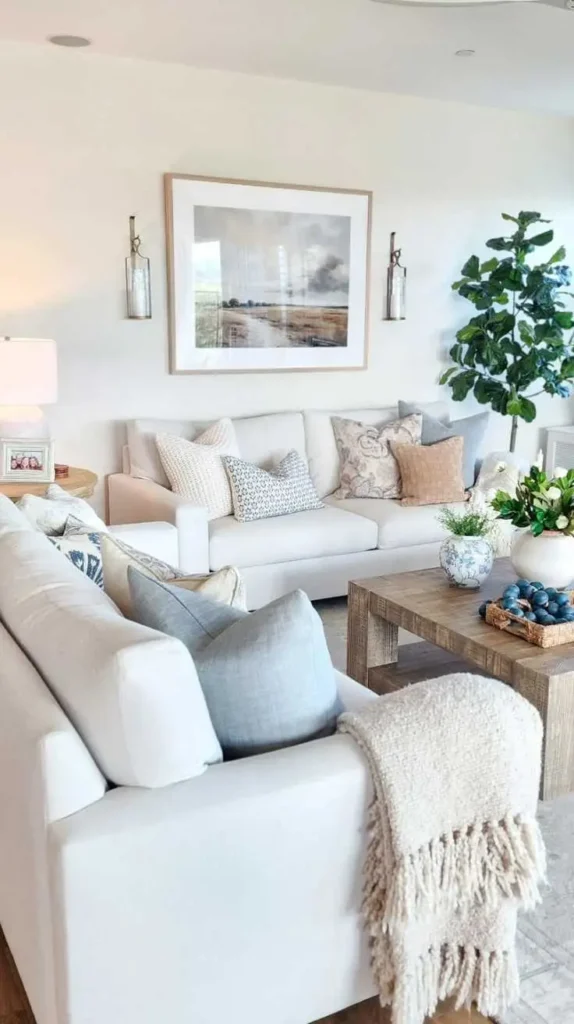
Coastal interiors bring the peaceful feeling of a seaside retreat into everyday living spaces. Inspired by the natural beauty of beaches, ocean views, and waterfront cottages, this decorating approach focuses on creating a bright, airy, and refreshing atmosphere. Soft shades of blue, white, cream, and sandy beige help establish a calm environment that instantly feels relaxing. Natural materials such as wicker, rattan, linen, driftwood, and light-toned wood contribute texture while maintaining the casual elegance associated with coastal homes.
Large windows often serve as an important feature because natural sunlight enhances the open and breezy appearance. Comfortable seating, lightweight fabrics, and subtle nautical accents help complete the look without overwhelming the room. Decorative items inspired by nature, including shells, coral-inspired pieces, and coastal artwork, can add character while maintaining sophistication. The appeal of coastal interiors lies in their ability to make every day feel like a peaceful getaway, creating a welcoming atmosphere that encourages relaxation and comfort.
Rustic Style
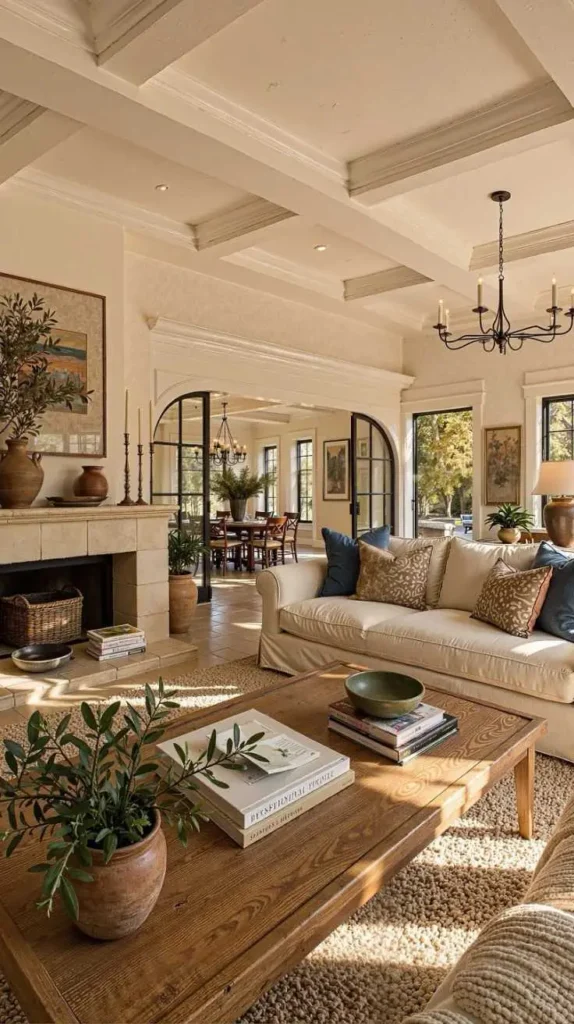
Rustic interiors celebrate natural beauty, rugged textures, and timeless craftsmanship. Inspired by mountain lodges, countryside homes, and traditional cabins, this decorating approach emphasizes authenticity and warmth. Natural wood remains one of the most important elements, often appearing in exposed ceiling beams, hardwood floors, handcrafted furniture, and architectural details that showcase the material’s organic character.
Stone fireplaces, leather furnishings, and earthy color palettes help create a cozy environment that feels connected to nature. Shades of brown, beige, forest green, rust, and charcoal contribute depth while maintaining a comfortable atmosphere. Unlike highly polished interiors, rustic spaces embrace imperfections, knots in wood, weathered finishes, and handmade details that tell a story.
Textiles such as wool blankets, woven rugs, and soft cushions add warmth and balance the rugged materials found throughout the home. The overall effect feels inviting, comfortable, and grounded. Rustic design remains popular because it creates spaces where family gatherings, quiet evenings, and meaningful moments naturally unfold within an environment filled with character and charm.
Minimalist Style
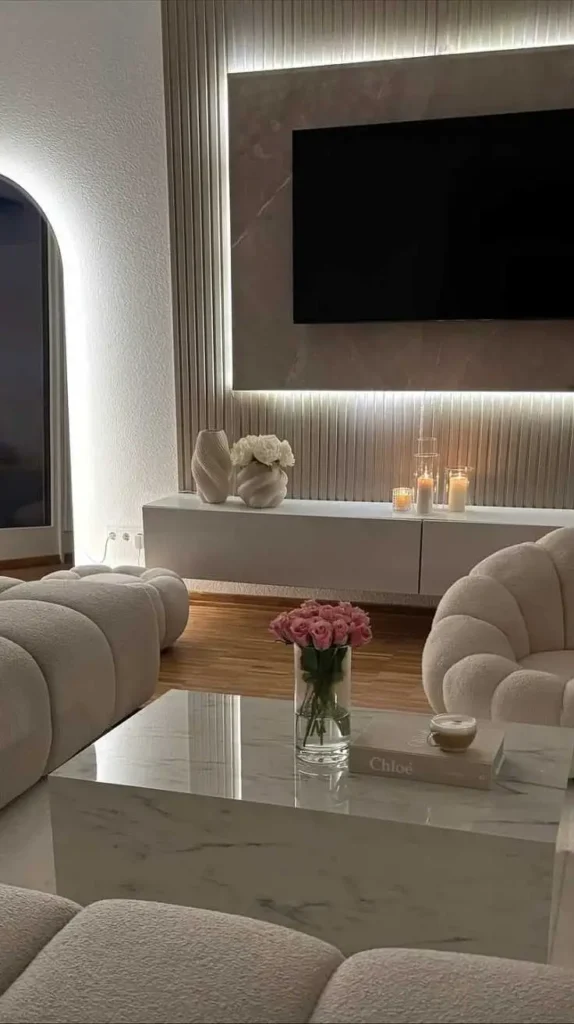
Minimalist interiors focus on simplicity, purpose, and visual clarity. Every element within the space serves a function, eliminating unnecessary clutter and distractions. Clean lines, open floor plans, and carefully selected furnishings create an environment that feels calm, organized, and sophisticated.
Neutral color palettes dominate minimalist spaces, with white, gray, beige, and black frequently appearing throughout the home. Furniture often features simple silhouettes and understated elegance, allowing the architecture and layout to take center stage. Decorative accessories remain limited, ensuring each piece has a meaningful presence within the room.
Storage solutions play a crucial role in maintaining the clean appearance associated with minimalist design. Hidden cabinets, streamlined shelving, and multifunctional furniture help keep spaces tidy and efficient. Despite the simplicity, minimalist interiors do not feel empty. Texture, lighting, and thoughtful design choices create warmth and visual interest. Many homeowners appreciate this style because it promotes tranquility, reduces visual stress, and encourages a more intentional approach to everyday living.
Transitional Style
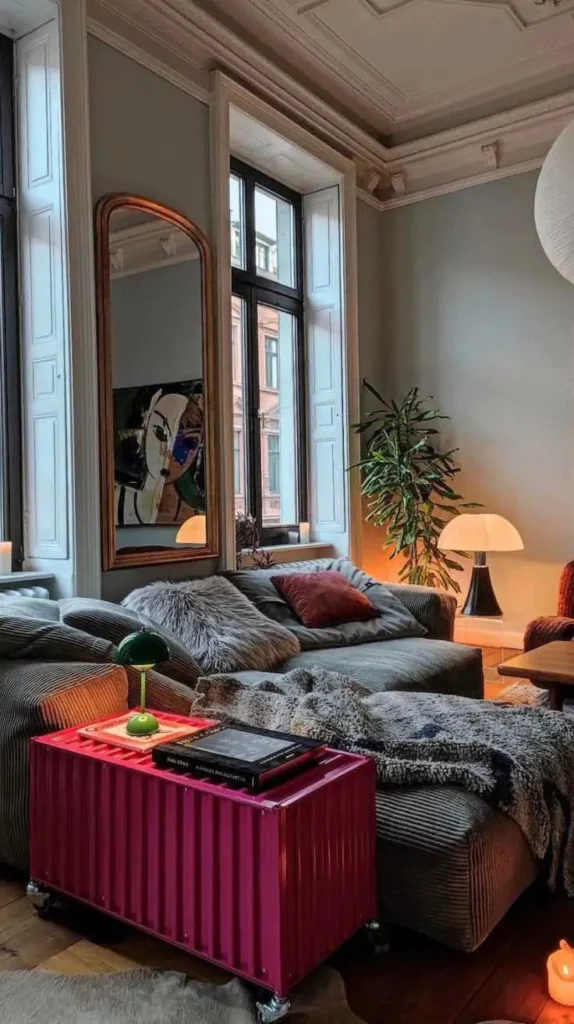
Transitional interiors offer the perfect balance between traditional elegance and contemporary simplicity. This versatile decorating approach combines classic design elements with modern features, creating spaces that feel timeless, comfortable, and sophisticated. Homeowners who appreciate both traditional charm and updated aesthetics often find transitional design particularly appealing.
Neutral color palettes form the foundation of most transitional spaces. Soft grays, warm whites, taupe, and beige provide a calming backdrop while allowing furniture and decorative accents to stand out. Traditional architectural details may appear alongside modern lighting fixtures, streamlined furniture, and updated materials.
Texture plays an important role in creating visual interest. Upholstered seating, natural fibers, wood finishes, glass accents, and metallic touches work together to add depth without creating visual clutter. Decorative accessories remain carefully curated rather than excessive, helping maintain balance throughout the home.
The greatest strength of transitional design lies in its flexibility. It creates interiors that feel current without becoming overly trendy, allowing spaces to remain stylish and relevant for many years. This harmonious blend of old and new continues to make transitional interiors one of the most sought-after decorating styles today.
Hollywood Glam Style
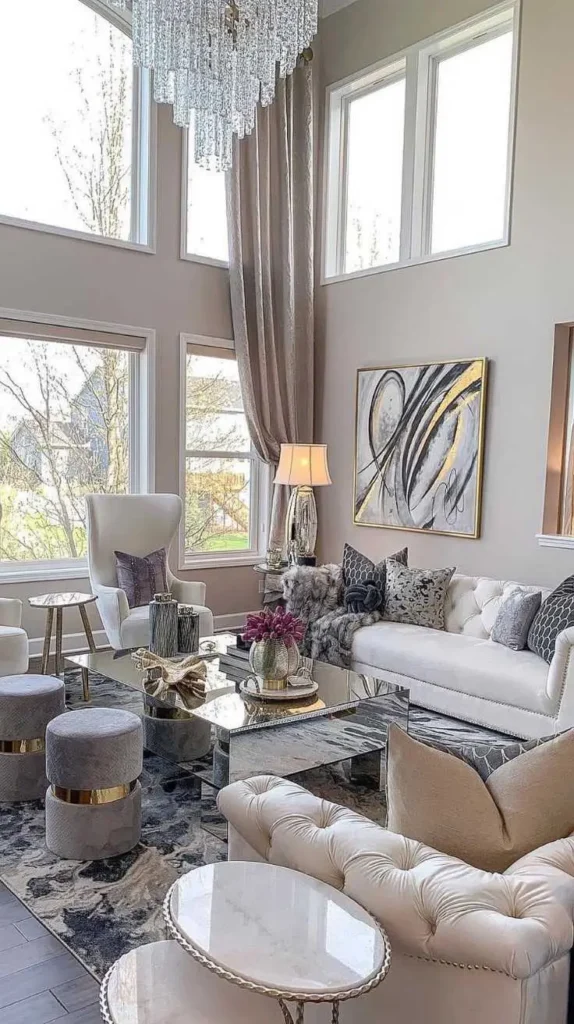
Hollywood glam interiors embrace luxury, sophistication, and dramatic elegance. Inspired by the golden age of cinema, this decorating approach creates spaces that feel glamorous, polished, and visually captivating. Rich textures, reflective surfaces, and statement furnishings work together to establish a sense of luxury that immediately captures attention.
Velvet upholstery, mirrored furniture, crystal chandeliers, and metallic finishes are common elements within glamorous interiors. Color palettes often include jewel tones such as emerald green, sapphire blue, deep purple, and rich burgundy, balanced by neutral shades and metallic accents. These combinations create depth and visual excitement throughout the space.
Lighting serves as a major design feature, helping highlight luxurious materials and architectural details. Plush fabrics, decorative mirrors, and bold artwork contribute additional sophistication while maintaining a cohesive appearance. Despite the dramatic aesthetic, successful Hollywood glam interiors remain comfortable and inviting. The result is a living environment that feels elegant, refined, and effortlessly stylish.
French Country Style
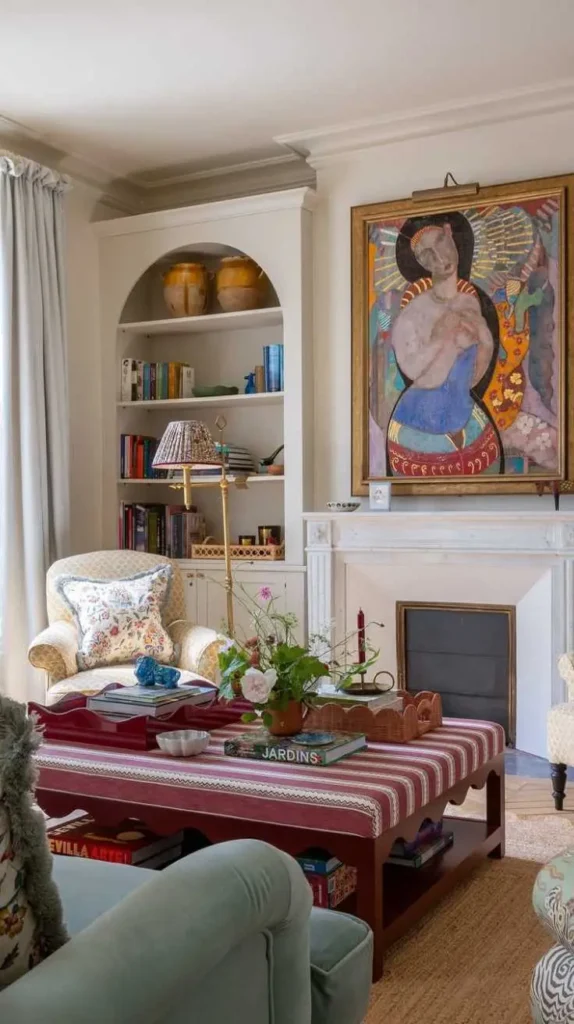
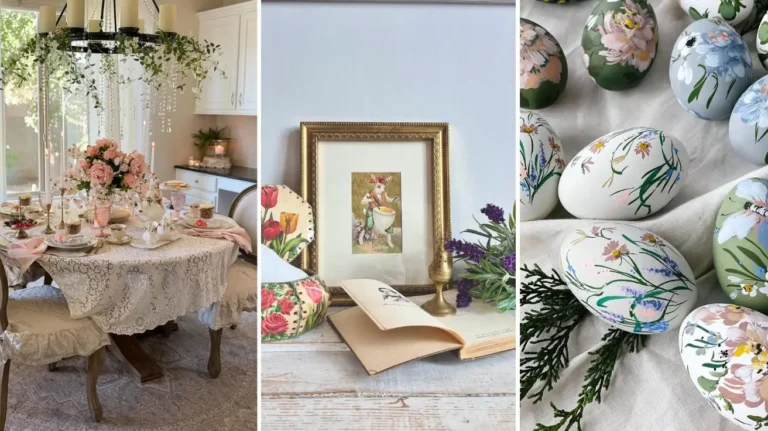
French country interiors combine rustic charm with refined elegance, creating spaces that feel warm, welcoming, and effortlessly beautiful. Inspired by the countryside homes of rural France, this decorating approach celebrates natural materials, soft colors, and timeless craftsmanship.
Weathered wood furniture, distressed finishes, and vintage-inspired accessories help establish authenticity. Soft shades of cream, pale yellow, lavender, muted blue, and gentle green contribute to the relaxed atmosphere. Floral patterns, decorative moldings, and ornate details add a touch of sophistication without appearing overly formal.
Natural light plays an important role in enhancing the inviting ambiance. Linen fabrics, antique accents, and handcrafted decorative pieces help create a sense of history and character throughout the home. The combination of rustic textures and elegant details gives French country interiors their distinctive appeal.
Many homeowners appreciate this style because it feels both luxurious and comfortable. Every room encourages relaxation while maintaining an undeniable sense of charm and refinement that never goes out of style.
Industrial Style
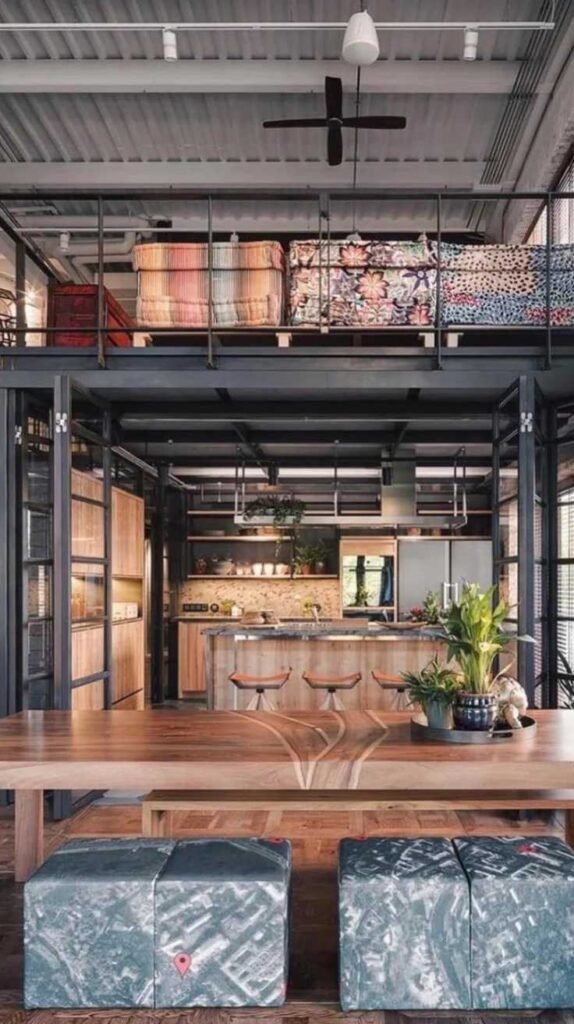
Industrial interiors bring a bold and urban personality into the home by embracing raw materials and architectural details that many other decorating approaches attempt to hide. Inspired by converted warehouses and old factory buildings, this style highlights exposed brick walls, metal accents, concrete surfaces, and visible pipes or beams. These features create a unique sense of authenticity and character that immediately stands out.
The color palette typically consists of neutral shades such as gray, black, brown, and white, helping maintain the rugged yet sophisticated atmosphere. Furniture often combines wood and metal, creating a balance between warmth and strength. Vintage-inspired lighting fixtures, reclaimed wood tables, and industrial shelving units further enhance the aesthetic.
Despite its edgy appearance, industrial design can feel surprisingly comfortable. Soft textiles, cozy rugs, and warm lighting help soften the harder surfaces throughout the space. The result is a stylish environment that feels modern, creative, and full of personality. Industrial interiors continue to attract homeowners who appreciate distinctive design and urban-inspired living.
Bohemian Style
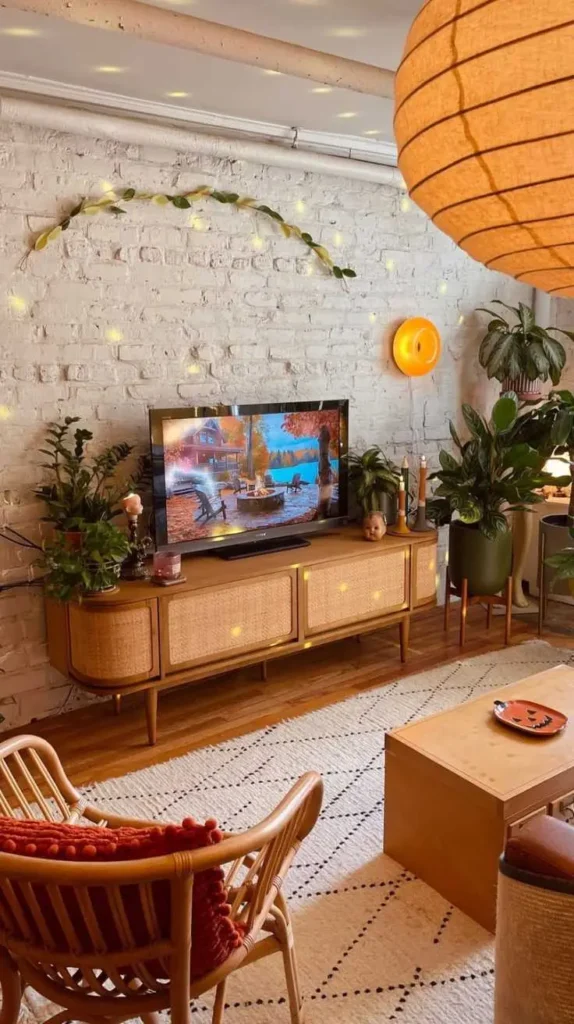
Bohemian interiors celebrate freedom, creativity, and self-expression. Unlike decorating approaches that follow strict design rules, bohemian spaces embrace individuality and encourage a mix of colors, patterns, textures, and cultural influences. Every room becomes a reflection of personal experiences, artistic interests, and collected treasures.
Rich textiles play a major role in creating the signature look. Layered rugs, colorful throw pillows, woven wall hangings, and patterned blankets contribute warmth and visual interest. Furniture often includes vintage finds, handcrafted pieces, and unique accessories gathered from various sources. The combination creates a relaxed atmosphere that feels welcoming and lived-in.
Indoor plants are another defining feature of bohemian spaces. Lush greenery adds natural beauty while enhancing the organic feel of the environment. Earthy tones frequently blend with vibrant colors such as terracotta, mustard yellow, deep blue, and emerald green. The result is a home filled with personality, comfort, and artistic charm that feels both inspiring and inviting.
Mid-Century Modern Style
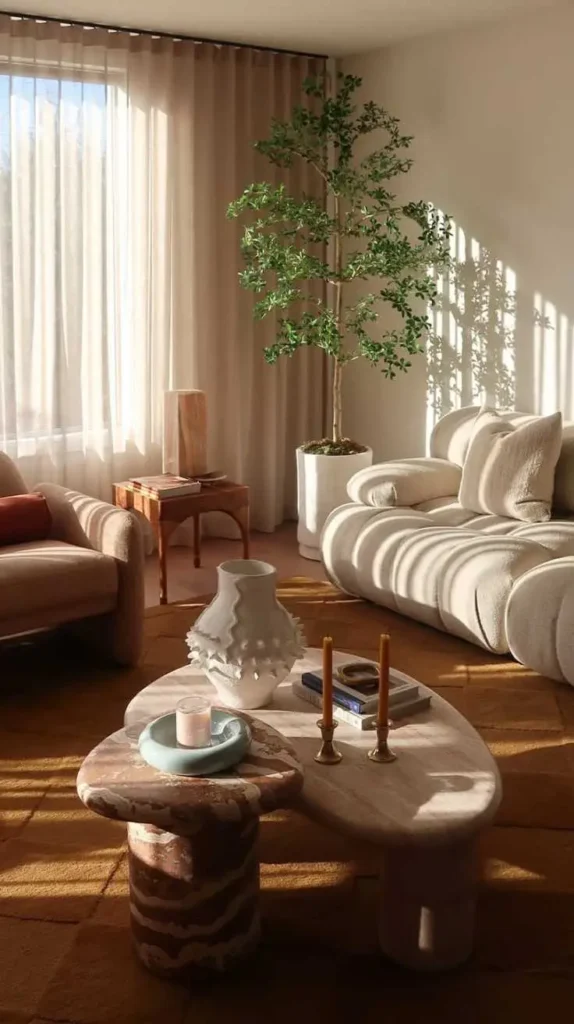
Mid-century modern design remains one of the most admired decorating styles because of its timeless blend of simplicity, functionality, and elegance. Originating during the mid-twentieth century, this style continues to influence modern interiors through its clean lines, organic shapes, and practical approach to furniture design.
Wood plays a prominent role throughout mid-century modern spaces, often appearing in furniture with tapered legs and sleek silhouettes. Warm wood tones create a sense of comfort while maintaining visual sophistication. Bold accent colors such as mustard yellow, olive green, burnt orange, and teal frequently appear through decorative accessories, artwork, and textiles.
Large windows and open layouts help establish a connection between indoor and outdoor spaces, making rooms feel bright and spacious. Decorative elements remain relatively simple, allowing furniture and architectural features to become focal points. The enduring appeal of mid-century modern interiors comes from their ability to feel stylish, functional, and relevant even decades after the style first emerged.
Art Deco Style
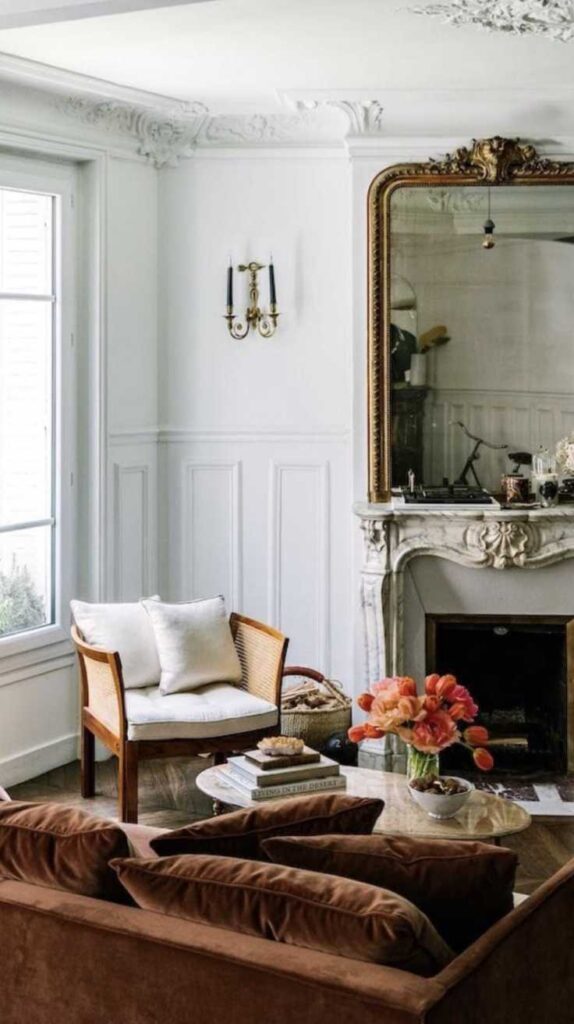
Art Deco interiors bring glamour, luxury, and bold sophistication into the home. Originating during the 1920s and 1930s, this style is known for its striking geometric patterns, rich materials, and dramatic visual appeal. Homes designed with Art Deco influences often feature elegant furniture, metallic finishes, mirrored surfaces, and decorative details that instantly attract attention.
Color palettes frequently include black, gold, silver, emerald green, navy blue, and deep burgundy. Luxurious materials such as marble, velvet, brass, and glass contribute to the upscale atmosphere. Furniture pieces often showcase curved forms, symmetrical designs, and distinctive craftsmanship. Statement lighting, bold artwork, and decorative accents further enhance the sophisticated appearance.
Art Deco remains popular because it combines timeless elegance with eye-catching design. The result is an interior that feels refined, luxurious, and memorable while maintaining a strong sense of personality and style. Every room becomes a showcase of beauty, confidence, and artistic expression.
Mediterranean Style
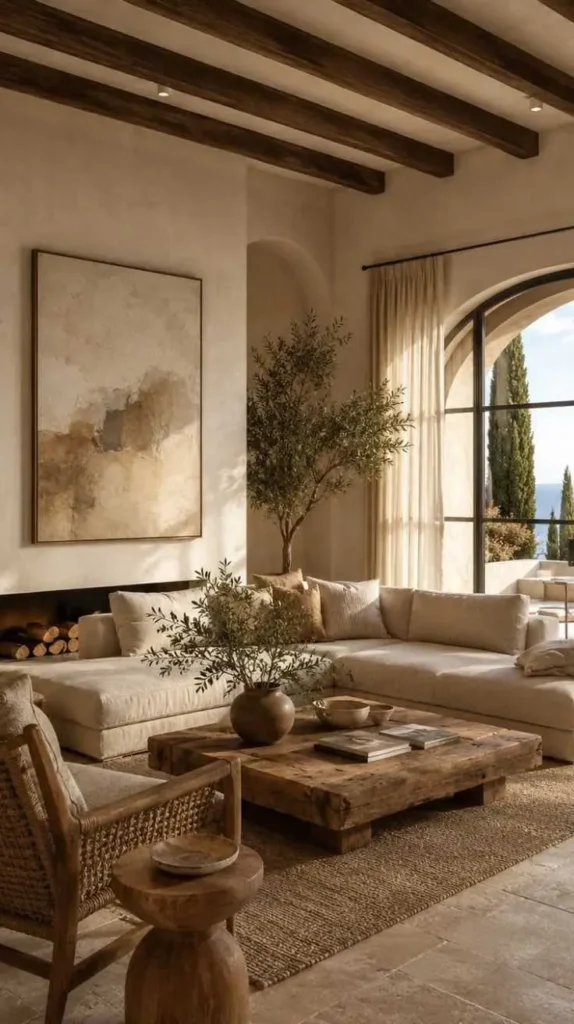
Mediterranean interiors draw inspiration from the coastal regions of Spain, Italy, and Greece. This decorating approach emphasizes warmth, comfort, and a strong connection to nature. Natural materials, earthy colors, and handcrafted details create inviting living spaces that feel relaxed and welcoming.
Walls often feature warm shades of cream, terracotta, sand, and soft white. Natural stone, exposed wood beams, wrought iron accents, and ceramic tiles contribute texture and authenticity. Furniture tends to be sturdy and elegant, combining comfort with traditional craftsmanship. Arched doorways, decorative columns, and textured finishes frequently appear throughout Mediterranean homes.
Large windows allow sunlight to fill the space, creating bright and cheerful interiors. Decorative accessories often include pottery, woven baskets, and artisan-made pieces that celebrate cultural heritage. The overall atmosphere feels warm, timeless, and effortlessly charming. Mediterranean design continues to attract homeowners who appreciate relaxed elegance and old-world character.
Eclectic Style
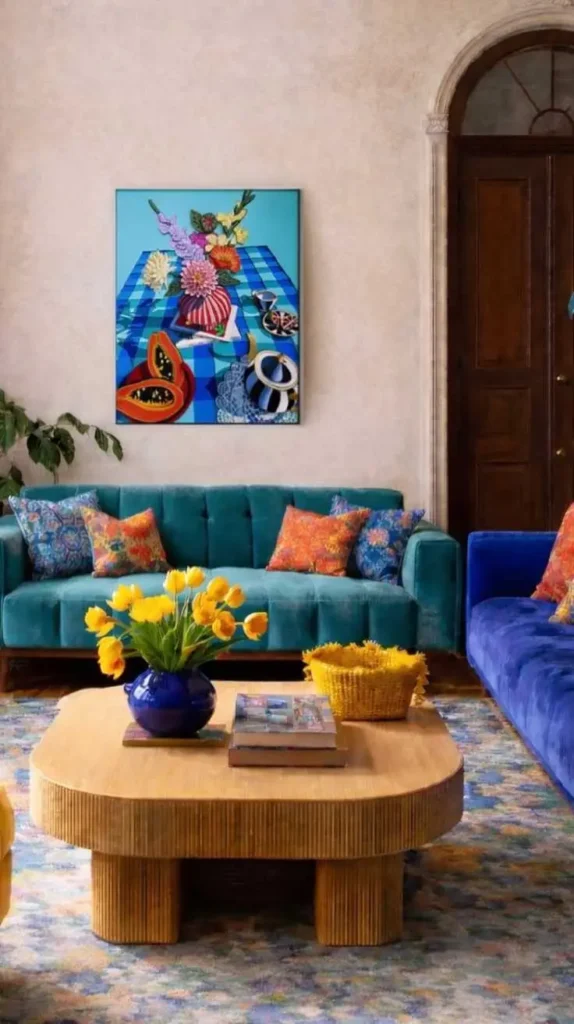
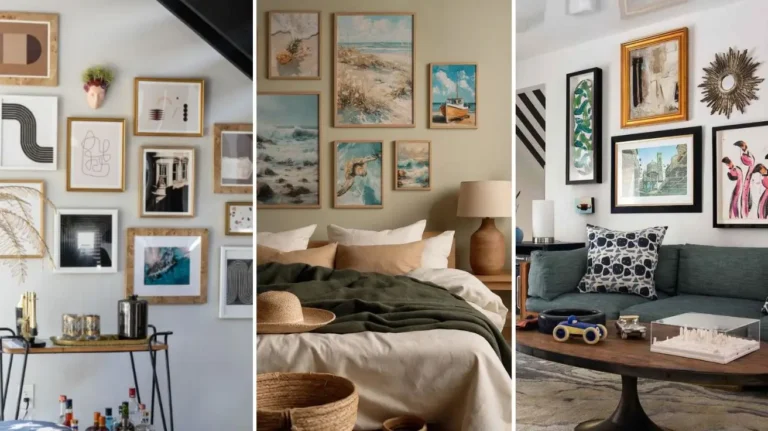
Eclectic interiors celebrate creativity by blending elements from multiple decorating styles into one cohesive and visually interesting space. Unlike design approaches that follow strict guidelines, eclectic decorating encourages personal expression and individuality. Every room tells a unique story through carefully selected furniture, artwork, colors, and decorative accessories.
A successful eclectic interior balances variety with harmony. Modern furniture may sit alongside vintage treasures, while bold patterns can coexist with neutral backgrounds. Different textures, materials, and cultural influences work together to create a layered and dynamic appearance. The key is maintaining a sense of balance so the space feels curated rather than chaotic.
Artwork often plays a significant role, serving as a focal point that reflects personality and interests. Unique collectibles, travel souvenirs, handcrafted decor, and statement pieces contribute character and visual depth. Eclectic interiors appeal to homeowners who enjoy originality and want their homes to reflect their experiences, passions, and distinctive sense of style.
Read

She has nearly 5 years of expertise in organic gardening, plant pests and diseases, landscape design, horticulture, and permaculture. She is a Master Gardener and Horticulturist.
She includes keywords and phrases that raise the content’s search engine ranking because she has a good grasp of SEO best practices.
- Front Porch Swing Ideas to Create a Cozy Outdoor Retreat - October 16, 2026
- Art Deco Living Room Ideas That Bring Glamour, Drama, and Timeless Style - October 15, 2026
- First Home Decor Ideas to Make Your New House Feel Warm, Stylish, and Inviting - October 14, 2026