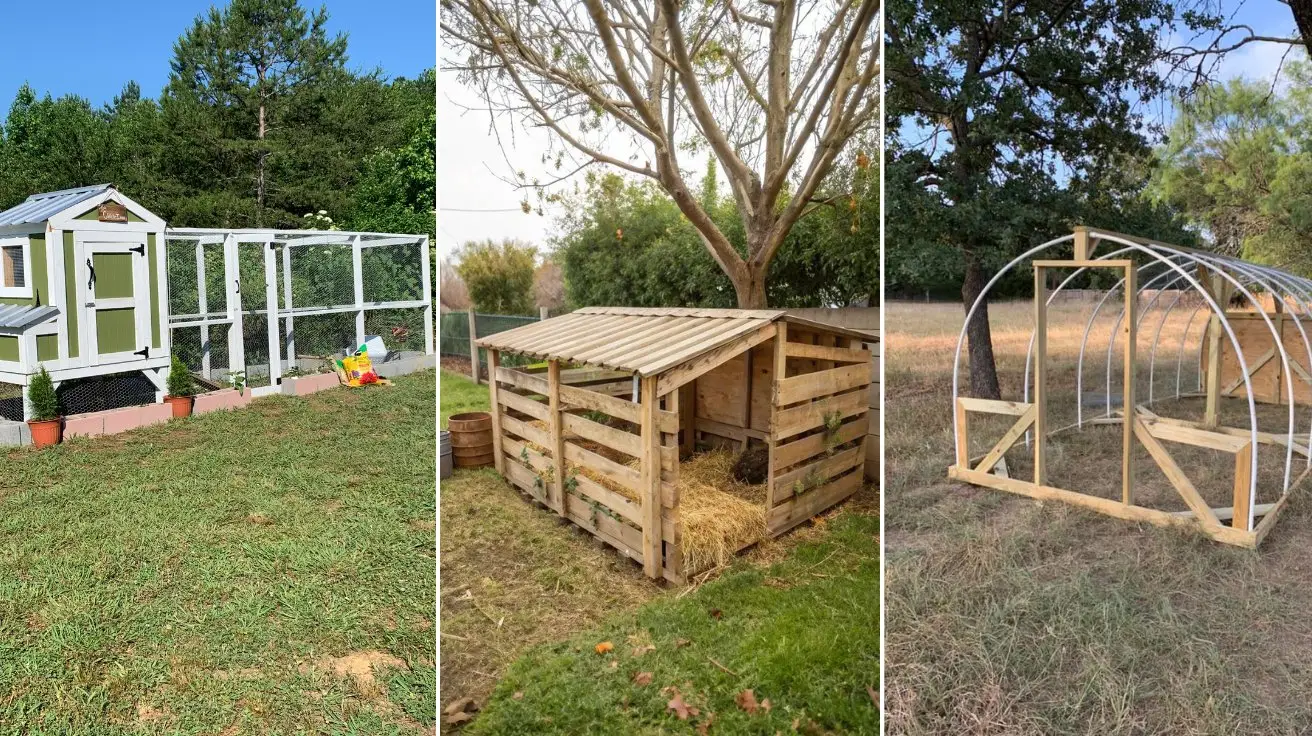
Low Budget Chicken Coop Ideas That Save Money and Keep Chickens Happy
Fresh eggs every morning. A peaceful backyard filled with happy hens. A cozy little coop built without draining a savings account. That dream feels a lot closer than most people think.
Raising chickens has exploded in popularity because families want healthier food, lower grocery bills, and a more rewarding lifestyle. The biggest surprise? Building a functional chicken shelter does not need expensive lumber, fancy tools, or professional carpentry skills. Some of the most charming backyard setups come from recycled materials, thrifted finds, and simple DIY creativity.
These low budget chicken coop ideas prove that a safe and beautiful chicken house can come together with limited money and beginner-level building skills. From repurposed sheds to pallet wood projects, every idea below focuses on affordability, comfort, and practicality. Better yet, many of these chicken coop designs look rustic, cozy, and Pinterest-worthy without the massive price tag.
Some of these ideas may completely change the way a backyard poultry setup gets planned. A few are surprisingly clever. One even uses something many homeowners already have sitting unused in the yard.
Turn Wooden Pallets Into a Rustic Backyard Setup
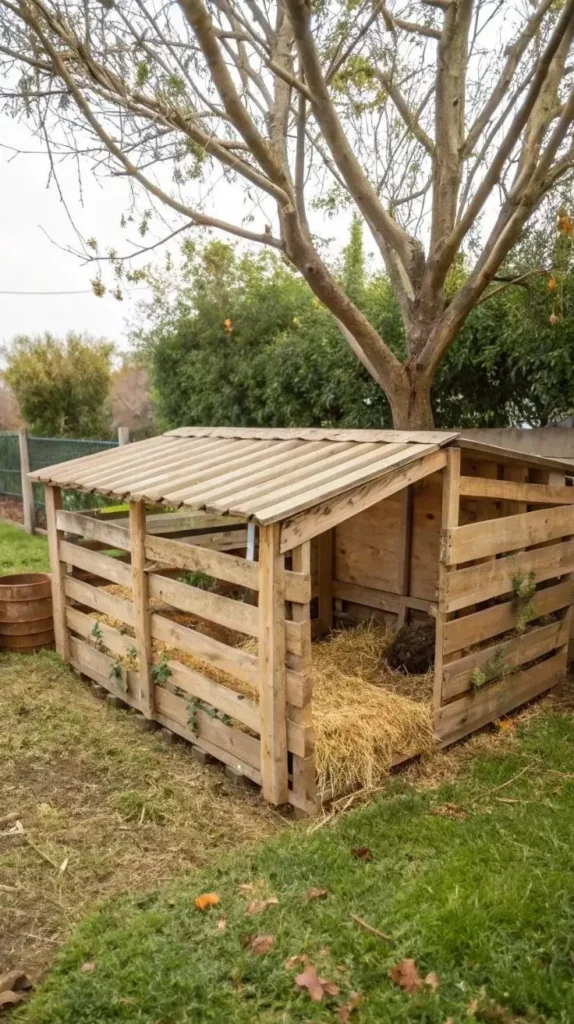
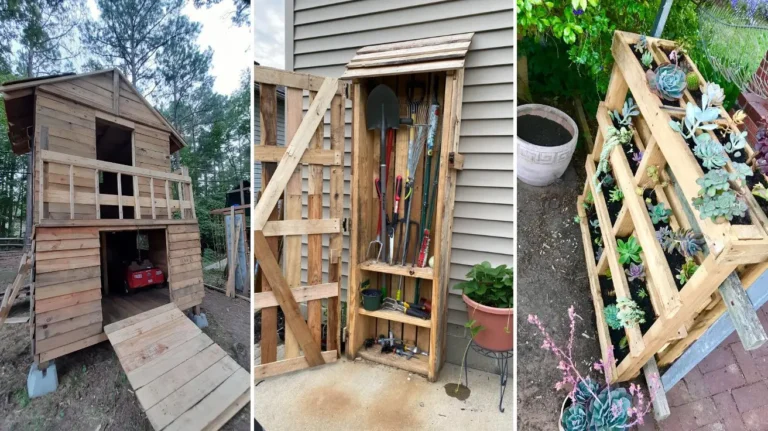
Wooden pallets are one of the cheapest materials for building a durable structure. Many local stores, warehouses, and garden centers give them away for free. That makes pallet projects one of the smartest ways to create a low-cost chicken shelter without sacrificing strength.
A pallet coop creates a rustic farmhouse appearance while keeping construction simple. The thick wood provides decent insulation, especially during colder months. With basic screws, hinges, and chicken wire, a secure home for hens can come together over a single weekend.
The best part is flexibility. Pallets can become walls, flooring, nesting boxes, or even a fenced chicken run. Many backyard chicken keepers stain or paint the wood for extra protection against rain and moisture. Adding a slanted metal roof helps prevent water damage and keeps the inside dry during storms.
Ventilation matters too. Leaving small openings near the roofline improves airflow and helps reduce moisture buildup inside the coop. Chickens stay healthier when fresh air circulates properly.
This style works especially well for beginner chicken owners because mistakes feel less stressful when the materials cost almost nothing. A pallet coop can also expand later as the flock grows. Start small with four hens, then add another section later without rebuilding everything from scratch. For families searching for affordable chicken coop ideas with farmhouse charm, pallet wood remains one of the strongest choices available.
Transform an Old Garden Shed Into a Cozy Hen House
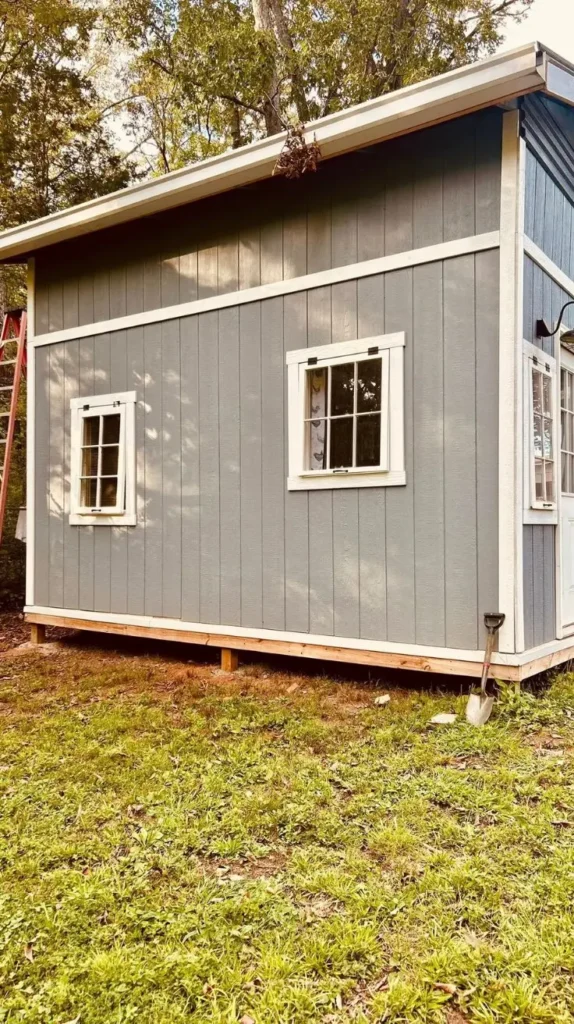
An unused garden shed can become a beautiful poultry shelter with surprisingly little work. Instead of tearing down an old structure, many homeowners save money by converting it into a functional backyard coop.
The strong walls and existing roof already provide protection from predators, wind, and rain. That eliminates one of the most expensive parts of building from scratch. A few simple upgrades turn the shed into a safe environment for laying hens.
Start with nesting boxes and roosting bars. Chickens naturally prefer elevated sleeping areas, so installing wooden perches gives them comfort and security. Next comes ventilation. Small windows covered with hardware cloth help keep air moving while blocking raccoons and other predators.
Adding a fenced outdoor run creates extra space for scratching and exercise. Chickens become healthier and less stressed when they can roam safely during the day.
Many old sheds already contain shelving. Those shelves can transform into feed storage areas or nesting sections with minimal adjustments. Some backyard poultry owners even decorate the exterior with flower boxes, rustic signs, and solar lights for added curb appeal.
One hidden advantage of a shed conversion is weather resistance. Larger sheds often hold heat better during winter and stay cooler in summer compared to smaller DIY builds. That makes them ideal for beginners worried about seasonal temperature changes. A forgotten storage shed could secretly become the perfect low-cost chicken coop hiding in plain sight.
Build a Simple A-Frame Structure for Small Spaces
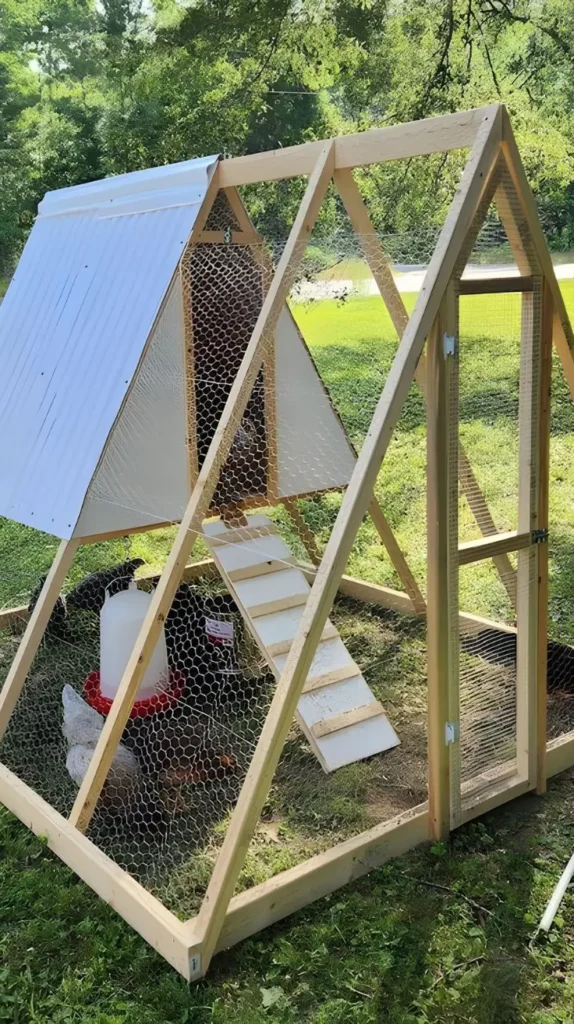
An A-frame chicken shelter remains one of the smartest choices for people working with limited backyard space and a tight budget. The angled roof design uses fewer materials than traditional square structures, which helps reduce overall building costs while still creating a safe and comfortable home for hens. This type of setup works especially well for beginners because the construction process feels much less overwhelming. Even people with little woodworking experience can usually complete the project using simple tools and basic lumber.
The triangular shape naturally helps rainwater slide off the roof, preventing leaks and moisture buildup inside the shelter. Many backyard chicken owners also add wheels to one side, turning the structure into a portable chicken tractor that can move around the yard. This movement allows chickens to forage fresh grass, weeds, and insects, helping lower feed expenses over time. Fresh ground also keeps the environment cleaner and healthier for the flock.
Inside the structure, hens still have enough room for nesting boxes, roosting bars, and feeding stations. Ventilation openings near the top improve airflow and help control odor during hot weather. Some owners even decorate the exterior with rustic paint colors or reclaimed wood accents to give the coop extra charm. An A-frame design proves that affordable chicken housing can still look attractive, practical, and welcoming without requiring a huge investment.
Use a Repurposed Dog House for a Tiny Flock
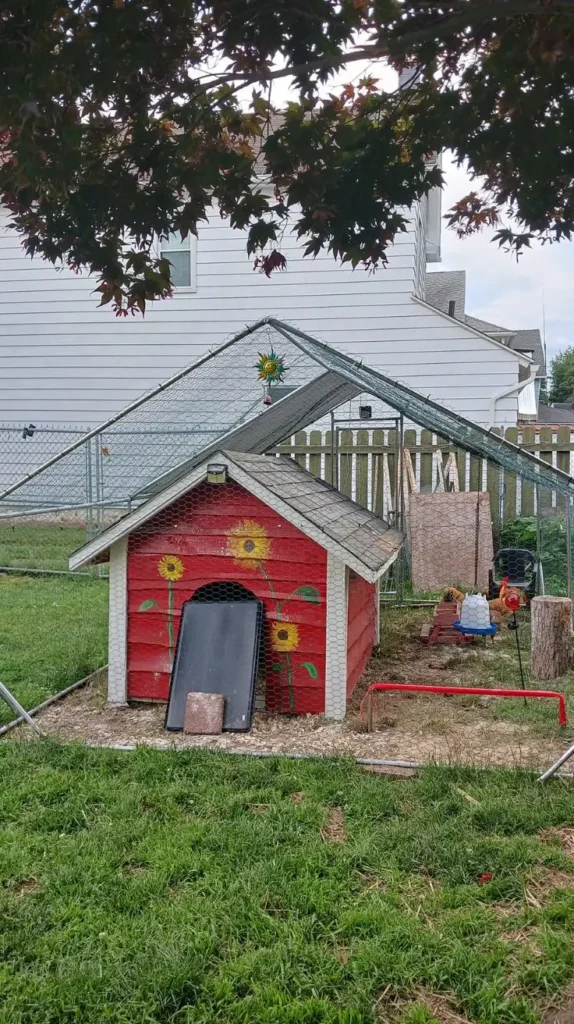
A repurposed dog house can become an incredibly affordable solution for raising a small flock of backyard chickens. Many homeowners already have an unused dog kennel sitting in the yard or garage, which makes this idea even more budget-friendly. Instead of purchasing expensive building supplies, the existing structure can be transformed into a cozy chicken shelter with just a few simple adjustments. This setup works especially well for beginners starting with two or three hens before expanding into a larger flock later on.
The first step usually involves improving ventilation and adding secure predator protection. Chickens need proper airflow to stay healthy, so small openings covered with hardware cloth help circulate fresh air while keeping raccoons and other animals out. A wooden perch inside gives hens a comfortable elevated sleeping spot because chickens naturally prefer resting above ground level. Straw or pine shavings on the floor also create warmth and softness for nesting.
Adding a fenced outdoor chicken run beside the dog house gives hens enough room to scratch, forage, and move around during the day. Some people paint the structure with weather-resistant exterior paint to protect it from rain and harsh sunlight. Others attach a small nesting box on the outside wall for easy egg collection. This compact setup blends nicely into suburban backyards and proves that raising chickens does not always require a large or expensive coop design.
Convert an Old Playhouse Into a Charming Coop
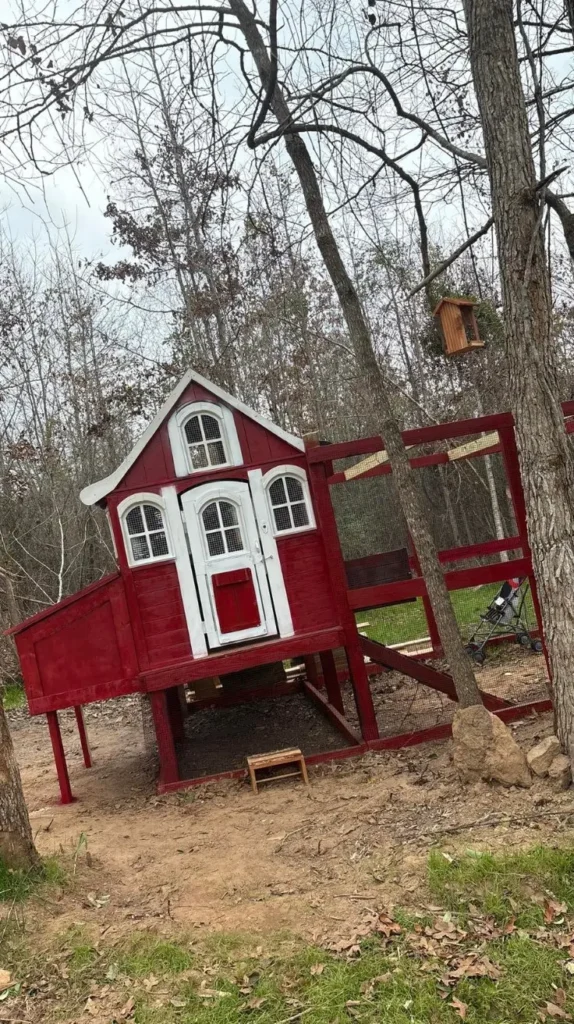
An old backyard playhouse can be transformed into one of the cutest and most practical chicken shelters with surprisingly little effort. Many families have unused play structures sitting empty after children outgrow them, and those buildings already provide a strong starting point for a cozy poultry setup. Instead of tearing the structure down or letting it decay, transforming it into a chicken coop saves money while creating something functional and charming.
Most playhouses already include walls, windows, roofing, and doors, which eliminates several major construction expenses right away. A few simple additions such as roosting bars, nesting boxes, and proper ventilation can quickly convert the space into a comfortable home for hens. Chickens also benefit from the extra interior height because it creates better airflow and makes cleaning easier for owners.
Decorating the outside turns the coop into a beautiful backyard feature. Many people add flower boxes, shutters, vintage signs, or farmhouse paint colors to create a warm cottage-style appearance. Solar-powered lights and small pathways around the structure can make the entire area feel welcoming and organized.
This type of coop works particularly well for families because children often enjoy helping care for the chickens and collecting fresh eggs each morning. The playhouse conversion creates a fun blend of creativity, sustainability, and practicality. It also proves that affordable chicken housing can still look stylish and inviting while keeping hens safe, healthy, and protected throughout the year.
Create a Hoop Coop Using PVC Pipe
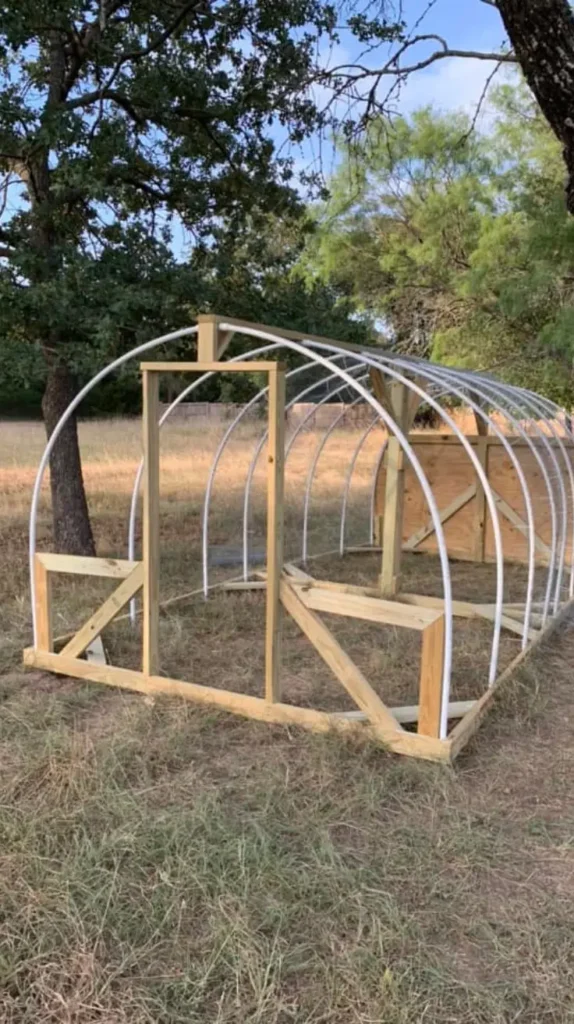
A hoop coop built with PVC pipe offers one of the cheapest and easiest ways to create a functional backyard chicken shelter. This lightweight structure uses curved PVC pipes to form a tunnel-like frame that gets covered with wire mesh, tarps, or roofing panels. Despite its simple appearance, the design provides excellent airflow, weather protection, and flexibility for backyard poultry owners working with a small budget.
One of the biggest advantages of this style involves affordability. PVC pipes cost far less than large amounts of lumber, and the lightweight materials make construction much easier for beginners. Many people complete the entire setup in just a weekend using basic hand tools. The curved roof design naturally sheds rainwater and helps prevent standing moisture that could damage bedding inside the shelter.
The open structure allows strong ventilation during hot summer weather, helping reduce odors and keeping chickens comfortable. Some owners attach clear plastic sheeting during colder months to block harsh winds while still allowing sunlight into the coop. Others create portable versions that move around the yard so chickens can graze fresh grass and insects daily.
Predator protection remains important, so adding hardware cloth around the lower edges improves security against digging animals. Inside the structure, chickens still have enough room for roosting bars, nesting areas, and feeding stations. A hoop coop proves that low-cost chicken housing can still provide safety, comfort, and efficiency without looking overly complicated or unfinished.
Repurpose an Old Camper or Trailer
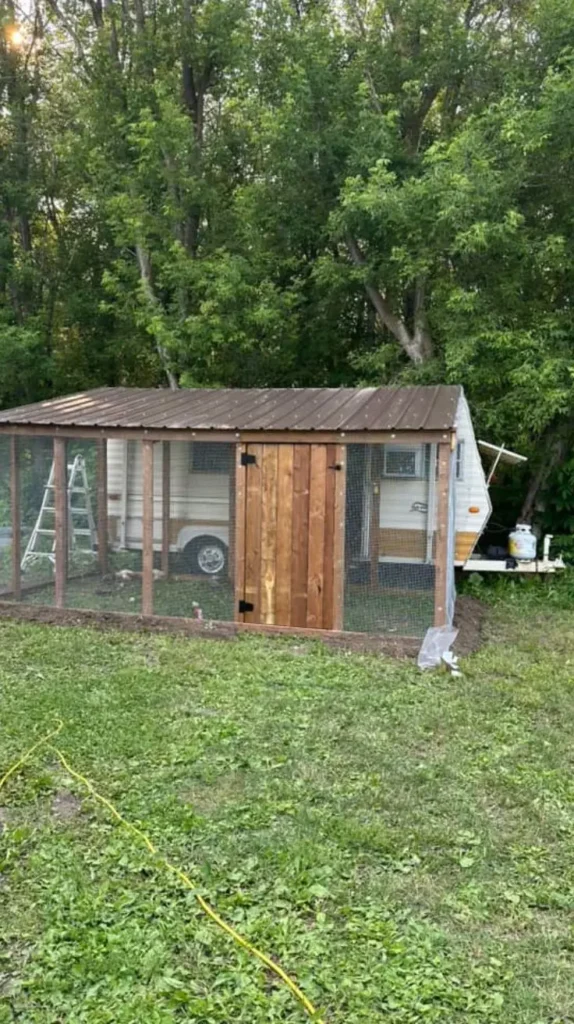
Turning an old camper or trailer into a backyard chicken coop creates a unique and surprisingly practical setup that immediately stands out. Many unused campers sit parked for years without serving much purpose, but those structures already contain roofs, walls, doors, windows, and built-in ventilation systems. That means a large portion of the hard construction work already exists before the project even begins.
After removing unnecessary furniture or damaged interior pieces, the space opens up for nesting boxes, roosting bars, and feeding stations. Chickens benefit from the elevated structure because it helps reduce moisture problems underneath the coop while also discouraging rodents from nesting nearby. The enclosed walls provide strong protection against harsh weather, predators, and heavy rain.
Many backyard poultry owners decorate the exterior with rustic paint colors, farmhouse signs, flower boxes, or reclaimed wood details to create extra charm. Some even install solar-powered lighting inside the camper to support egg production during darker winter months. Exterior ramps allow hens to move easily between the trailer and their fenced outdoor run.
One hidden benefit of using a camper involves storage space. Existing cabinets and shelves work perfectly for keeping chicken feed, tools, bedding, and supplies organized. This creative conversion not only saves money compared to building a brand-new structure but also gives forgotten equipment an entirely new purpose. Guests and neighbors often become fascinated when they discover chickens happily living inside a transformed vintage trailer.
Make a Budget-Friendly Coop With Recycled Lumber
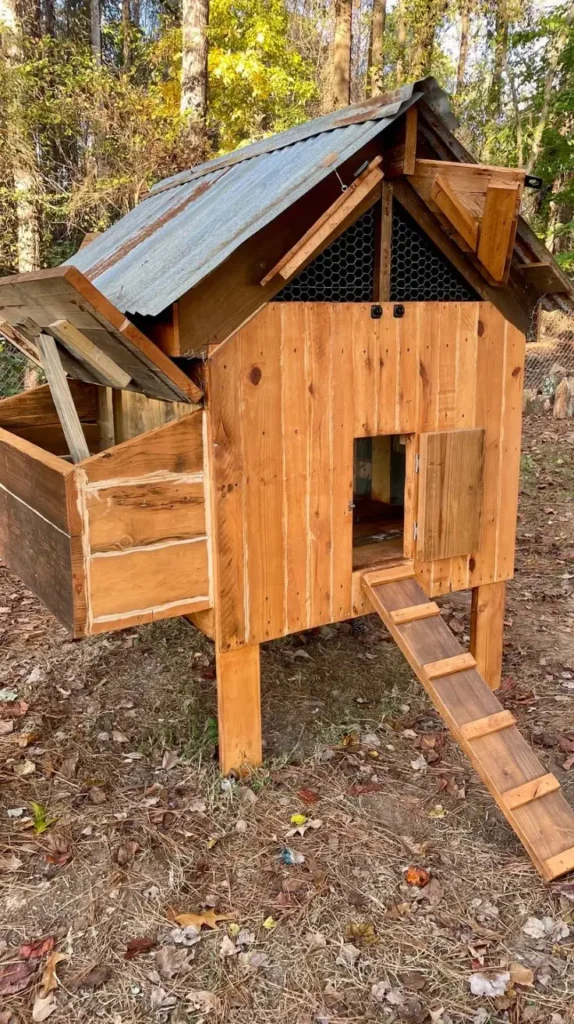
Using recycled lumber for a backyard chicken shelter remains one of the best ways to save money while creating a structure filled with personality and rustic charm. Reclaimed wood often comes from old fences, barns, renovation leftovers, shipping crates, or demolition projects. Many homeowners even find free lumber through local online marketplaces or neighborhood cleanup groups, making this idea extremely affordable for budget-conscious chicken keepers.
One of the biggest advantages of recycled materials involves character. Weathered wood naturally creates a farmhouse appearance that many expensive store-bought coops try hard to imitate. The mix of textures, colors, and imperfections gives every project a unique look that feels warm and authentic rather than mass-produced.
Strong framing still matters, so builders should inspect reclaimed boards carefully for rot, termites, or structural weakness before using them. Once cleaned and reinforced, old wood can become sturdy walls, nesting boxes, flooring, or roofing supports. Many people also combine leftover fencing materials and scrap metal roofing to lower costs even further.
Adding exterior nesting boxes makes egg collection easier without entering the coop itself. Proper ventilation openings near the roofline help maintain fresh airflow and reduce moisture buildup inside. Recycled lumber projects also support sustainability by giving old materials a second life instead of sending them to landfills. This approach proves that a beautiful chicken coop does not need expensive materials to become functional, durable, and visually impressive.
Use Cinder Blocks for a Durable Foundation
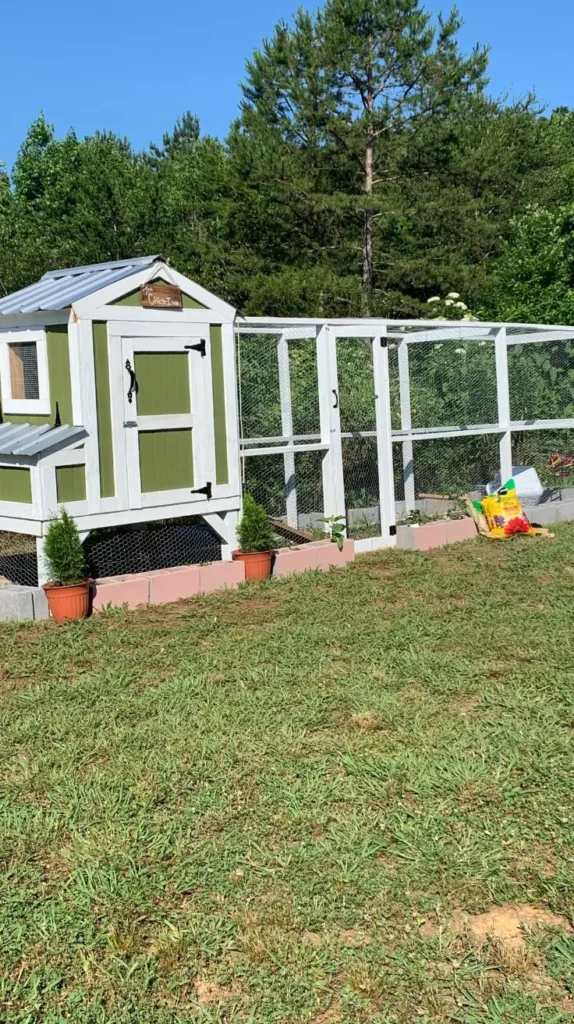
A strong foundation often determines whether a chicken coop lasts for years or slowly falls apart after one rainy season. Cinder blocks provide one of the cheapest and most reliable solutions for creating a durable base without spending money on expensive concrete work. Many backyard chicken owners overlook this step at first, but a raised foundation protects the entire structure from moisture, mud, pests, and shifting ground conditions.
Placing the coop on cinder blocks lifts the wooden flooring off damp soil, helping prevent rot and water damage over time. The added height also discourages rats, snakes, and other unwanted animals from nesting underneath the structure. Even during heavy rainstorms, the raised design keeps the interior drier and healthier for hens.
Cinder blocks are relatively inexpensive and simple to install. Most people only need basic leveling tools and a flat surface before stacking the blocks into place. Some chicken keepers even use the open spaces inside the blocks for extra storage, feeding stations, or mini dust-bathing areas for their flock.
This type of foundation pairs especially well with pallet coops and recycled lumber projects because it strengthens the overall structure while keeping costs low. The improved drainage also reduces odor and moisture buildup inside the coop. While foundations may not seem exciting at first, they often become the hidden reason why certain backyard chicken shelters stay sturdy and functional for many years.
Build a Mobile Chicken Tractor
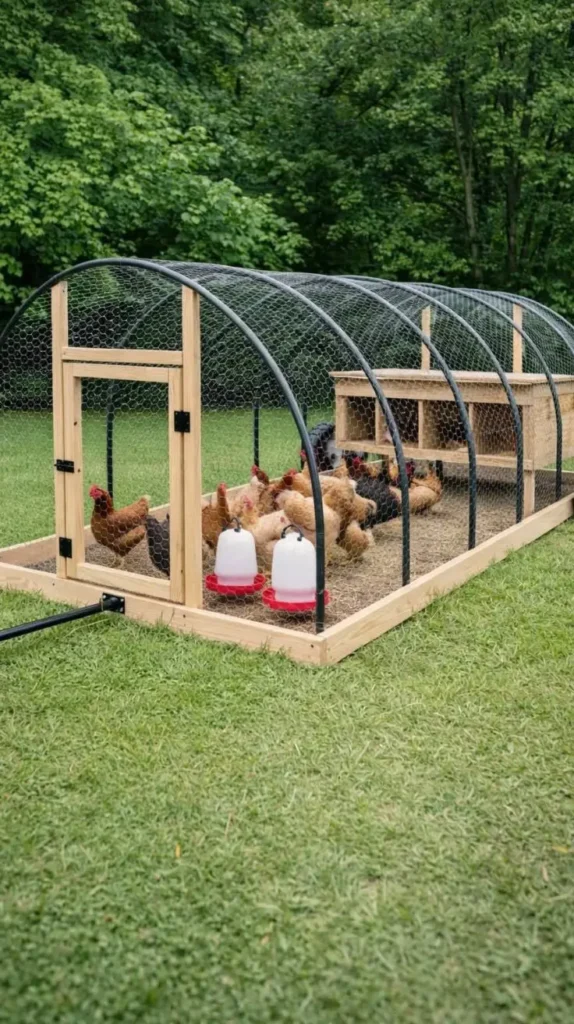
A mobile chicken tractor combines shelter, security, and movement into one highly practical setup for backyard poultry owners. Unlike permanent structures, this portable design moves around the yard regularly, allowing chickens to forage fresh grass and insects while preventing the ground from becoming muddy or damaged. For people searching for affordable and efficient coop ideas, a chicken tractor offers several long-term money-saving benefits.
The lightweight structure usually consists of simple lumber framing, wheels, chicken wire, and a covered shelter area for nesting and sleeping. Because the design stays smaller and more compact than traditional coops, construction costs remain relatively low. Many beginner builders complete a mobile setup using only basic tools and affordable materials.
One major advantage involves feed savings. Chickens naturally scratch for bugs, weeds, and greens as the tractor moves across different sections of the yard. This fresh foraging helps reduce the amount of commercial chicken feed needed throughout the week. The rotating system also spreads natural fertilizer evenly across the lawn, improving soil quality over time.
Cleaning becomes easier as well because waste does not collect in one fixed area. Some owners add foldable roofs or side access doors to simplify egg collection and maintenance tasks. Shade panels or waterproof covers help protect hens from harsh sunlight and rain. A mobile chicken tractor creates a healthier, cleaner, and more active environment for chickens while helping owners stretch their budget much further.
Turn a Greenhouse Frame Into a Multi-Purpose Shelter
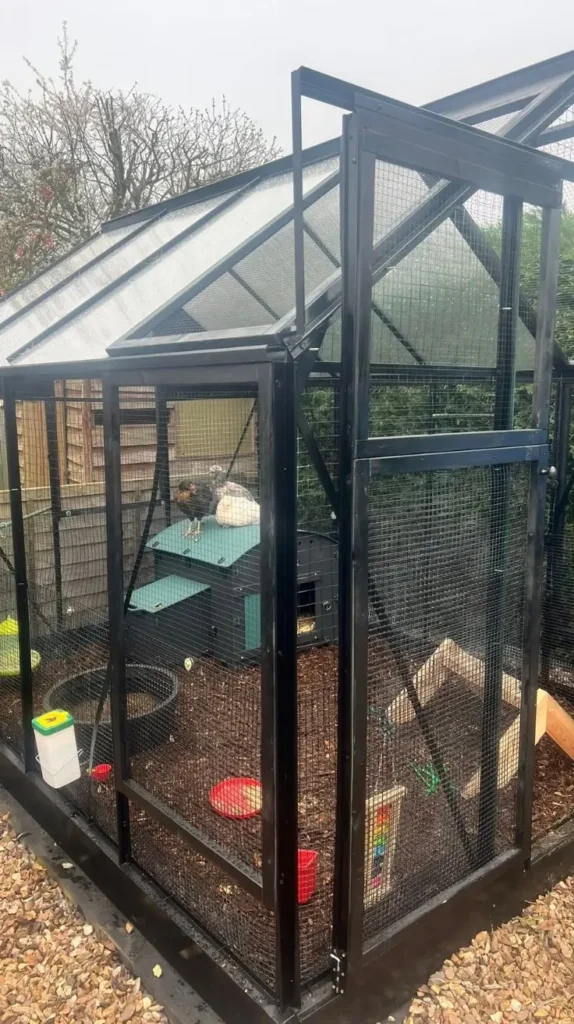
An old greenhouse frame can become a surprisingly effective and affordable chicken shelter with just a few creative adjustments. Many unused greenhouse structures sit abandoned after plastic coverings tear or gardening projects end, but the sturdy metal or PVC framework still holds tremendous value. Instead of throwing it away, transforming the frame into a backyard poultry setup saves money while creating a spacious and functional coop.
The curved greenhouse shape naturally allows excellent airflow and sunlight, both of which benefit chickens greatly. Proper ventilation helps reduce moisture, odors, and respiratory problems inside the shelter. Sunlight also supports healthier hens and encourages steady egg production during cooler seasons when daylight hours become shorter.
Adding hardware cloth, tarps, corrugated roofing panels, or clear plastic sheeting turns the frame into a weather-resistant enclosure. Many owners create fenced outdoor runs connected to the greenhouse structure so hens can safely roam during the day. Because greenhouse frames often provide more height than traditional backyard coops, the interior feels open and easier to clean.
Some homesteaders even combine gardening and chicken keeping in the same area. Chickens naturally produce warmth and compost materials that benefit nearby garden beds. The result becomes a productive multi-purpose backyard space that supports both fresh vegetables and fresh eggs.
This creative reuse project proves that affordable chicken housing can also support sustainability and resourcefulness. A forgotten greenhouse frame may quietly hold the foundation for one of the most practical and visually interesting coop designs possible.
Create a Cozy Coop From Scrap Materials
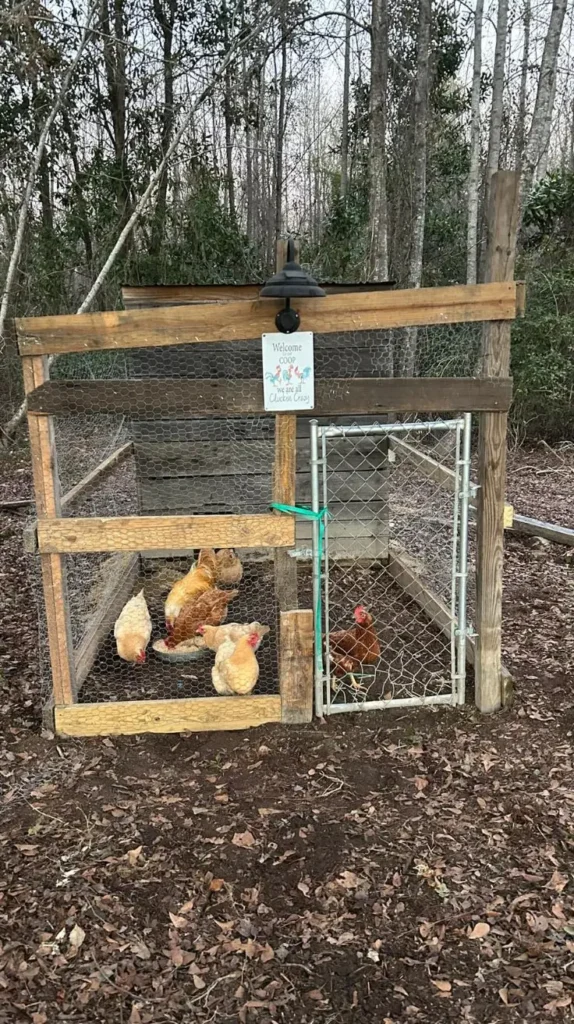
Building a chicken coop from scrap materials may sound unconventional at first, but it often leads to some of the most creative and charming backyard setups. Leftover fencing, old plywood, unused doors, broken cabinets, and discarded roofing panels can all become valuable building supplies instead of ending up in a landfill. For homeowners working with an extremely limited budget, this approach offers a practical way to create a safe and functional shelter without major spending.
The key to success involves creativity and careful planning. An old wooden ladder might transform into roosting bars for hens, while unused kitchen cabinets can become nesting boxes or feed storage compartments. Scrap fencing panels work well for outdoor chicken runs, and leftover metal roofing helps protect the structure from rain and harsh weather conditions.
Safety remains extremely important during construction. Sharp edges, loose nails, and unstable materials should always get repaired before chickens move inside. Predator-proof locks and strong wire mesh also help protect hens from raccoons, foxes, and stray animals during the night.
One surprising advantage of scrap-built coops involves appearance. The mix of mismatched materials often creates a rustic farmhouse aesthetic filled with character and warmth. No two projects ever look exactly alike, which makes each coop feel unique and personal. This type of setup proves that raising backyard chickens does not require expensive lumber or professional carpentry skills. Resourcefulness, patience, and creativity often produce the most memorable and functional chicken coop designs of all.

She has nearly 5 years of expertise in organic gardening, plant pests and diseases, landscape design, horticulture, and permaculture. She is a Master Gardener and Horticulturist.
She includes keywords and phrases that raise the content’s search engine ranking because she has a good grasp of SEO best practices.
- Backyard Awning Ideas to Create a Stylish and Comfortable Outdoor Retreat - September 6, 2026
- How To Decorate A Bedroom: Beautiful Ideas for a Cozy and Personal Space - September 5, 2026
- Fall Porch Decorating Ideas That Make Your Home Feel Warm and Welcoming - September 3, 2026