Preschool Classroom Decor Ideas That Create a Fun and Inspiring Learning Space
A preschool classroom is much more than a place where children learn their ABCs and numbers. It is a space where curiosity grows, friendships begin, and creativity blossoms. The right preschool classroom decor can transform an ordinary room into a welcoming environment that encourages exploration, confidence, and joyful learning.
Young children respond strongly to colors, visuals, textures, and organization. Every wall display, reading corner, and learning station contributes to the overall atmosphere. A thoughtfully decorated classroom helps children feel safe, excited, and ready to participate in daily activities.
The best part? Creating an engaging learning environment does not require an enormous budget. With a little creativity and planning, teachers can design a classroom that feels warm, educational, and inspiring. The following ideas offer practical ways to bring life, color, and purpose into any early childhood learning space.
Welcome Wall That Makes Children Feel Special
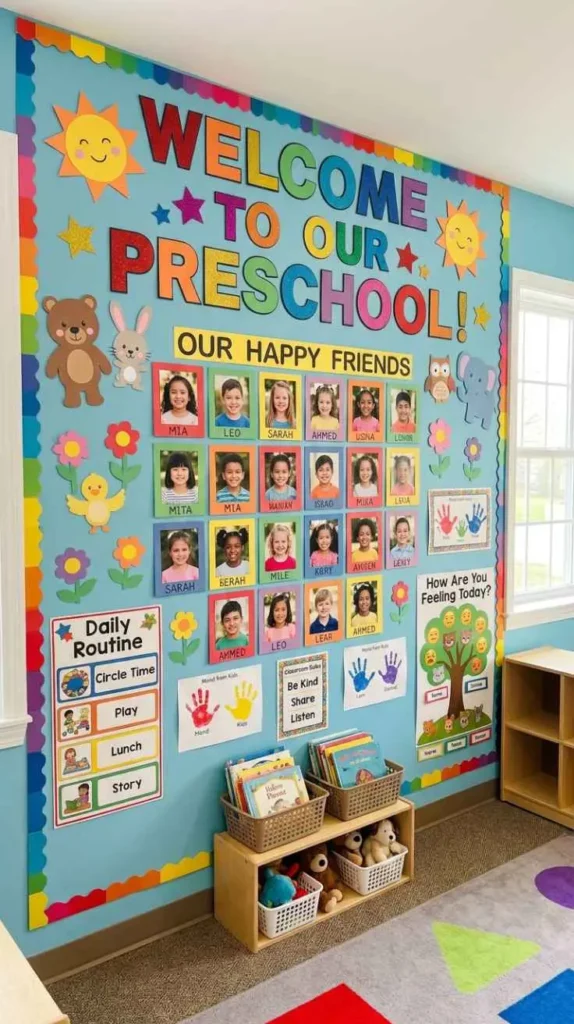
The entrance of a preschool classroom sets the emotional tone for the entire day. A welcoming wall filled with colorful letters, cheerful designs, student names, and smiling photographs helps children feel recognized and appreciated from the moment they walk through the door. Young learners thrive in environments where they feel connected, and a personalized display creates an immediate sense of belonging.
Decorative elements such as rainbows, stars, animals, and positive messages add excitement while making the space visually appealing. Teachers can update the wall throughout the year with seasonal themes, birthday celebrations, and classroom achievements. A warm and inviting entrance encourages confidence, reduces separation anxiety, and helps children start each day feeling comfortable, valued, and ready to learn.
Colorful Learning Centers for Easy Navigation
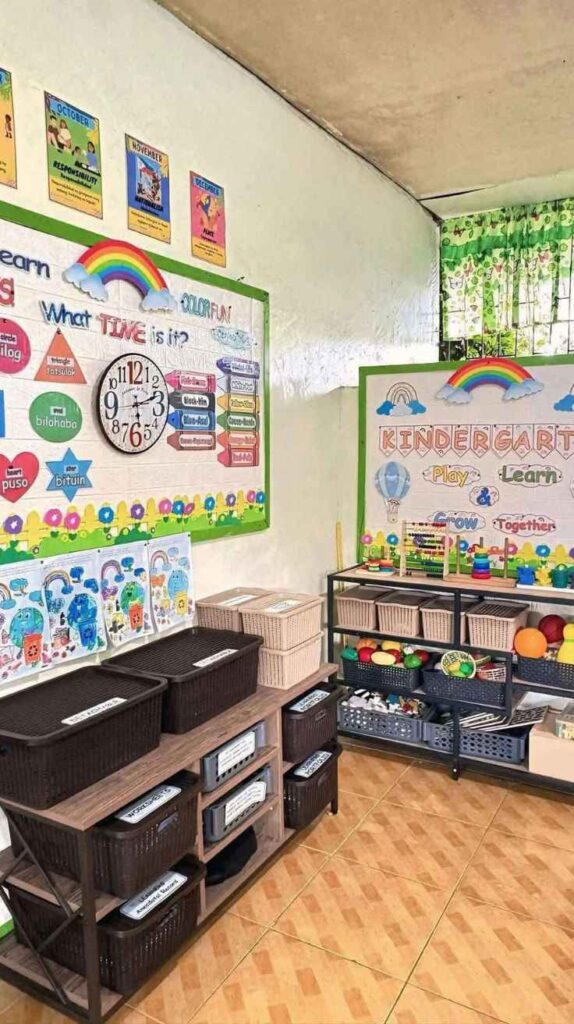
Organized learning centers make preschool classrooms more functional and engaging for young children. Using different colors to define activity zones helps students understand where specific tasks take place and encourages independence. A reading area might feature calming blue tones, while an art station can showcase bright yellows and oranges that inspire creativity.
Matching storage bins, labels, rugs, and wall decorations reinforce each center’s identity and make cleanup easier. Children quickly learn to associate colors with activities, reducing confusion and helping daily transitions run smoothly. Beyond organization, colorful learning centers create visual interest and make the classroom feel energetic and welcoming. This simple decorating approach supports both classroom management and a positive learning environment.
Nature-Inspired Decorations That Bring the Outdoors Inside
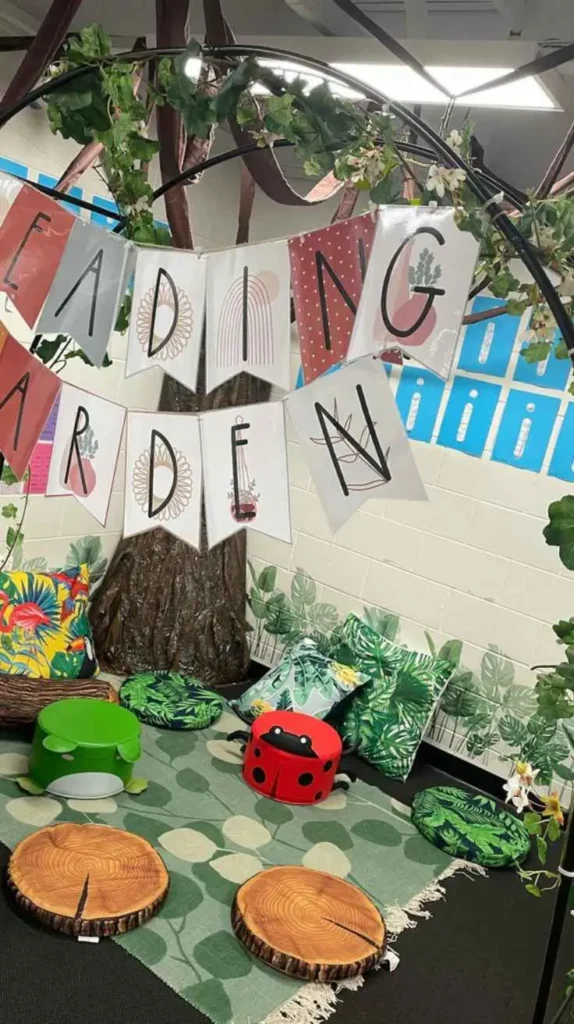
Natural themes create a peaceful atmosphere that helps children feel relaxed and connected to the world around them. Decorations featuring trees, flowers, butterflies, birds, clouds, and sunshine add warmth and beauty to a preschool classroom. Teachers can enhance the environment with potted plants, nature-themed artwork, and seasonal displays that reflect changes throughout the year.
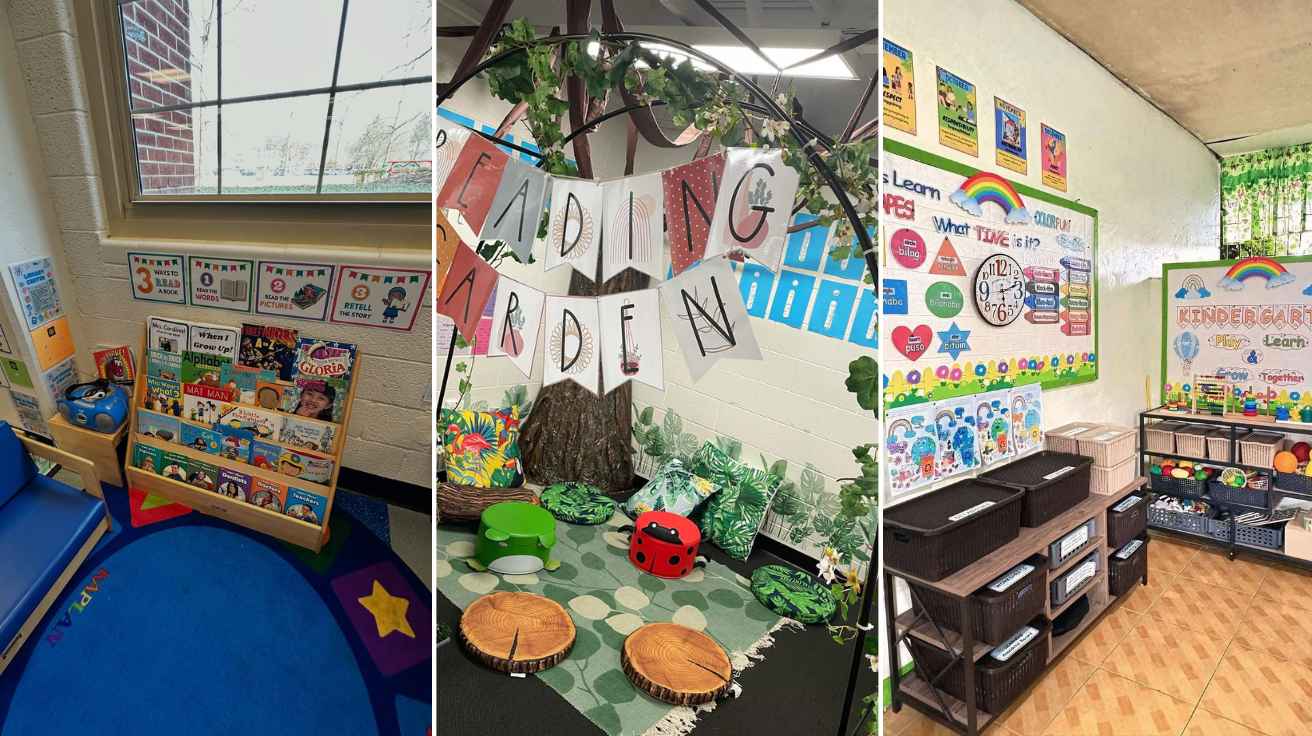
Natural textures such as wooden shelves, woven baskets, and earthy colors contribute to a calming and inviting space. These decorative elements also introduce children to science concepts and environmental awareness in a simple way. A classroom inspired by nature encourages curiosity, observation, and appreciation for living things while creating a refreshing environment that supports learning and emotional well-being.
Reading Nook Filled With Comfort and Wonder
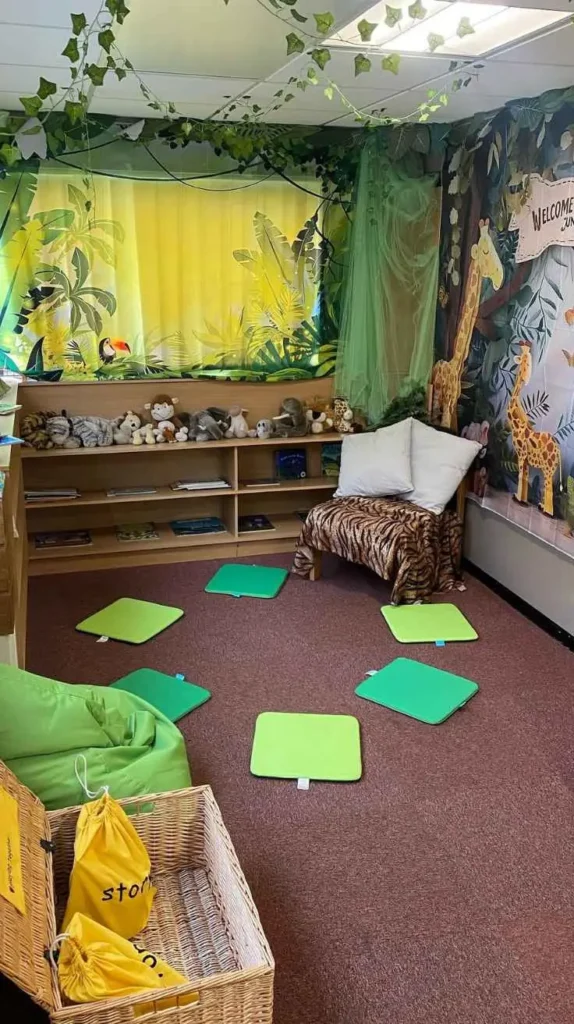
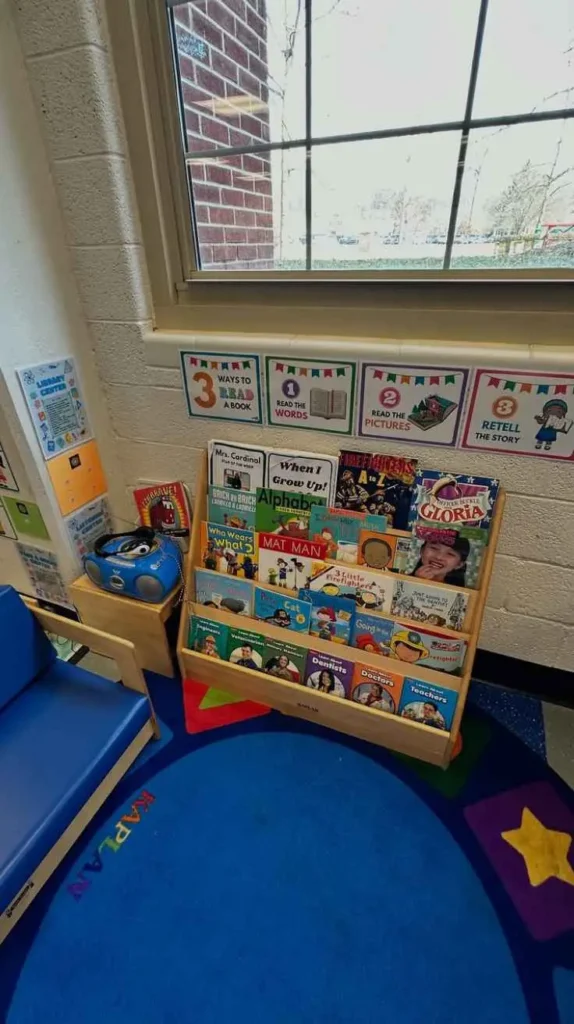
A cozy reading nook can become one of the most beloved areas in a preschool classroom. Soft rugs, comfortable cushions, bean bags, and attractive bookshelves help create a welcoming space where children enjoy spending time with books. Decorative touches such as storybook characters, colorful banners, themed wall art, and gentle lighting make the area feel special and inviting.
When children associate reading with comfort and enjoyment, they become more interested in exploring books independently. The reading nook also provides a quiet retreat where students can relax and focus. A thoughtfully designed literacy corner encourages language development, imagination, listening skills, and a lifelong appreciation for reading while adding charm and personality to the classroom.
Interactive Bulletin Boards That Encourage Participation
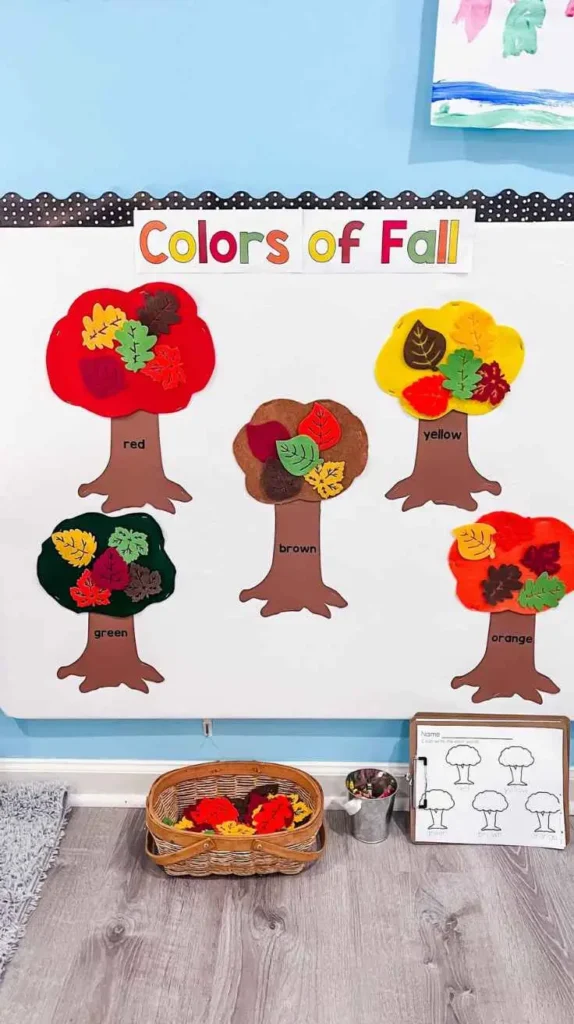
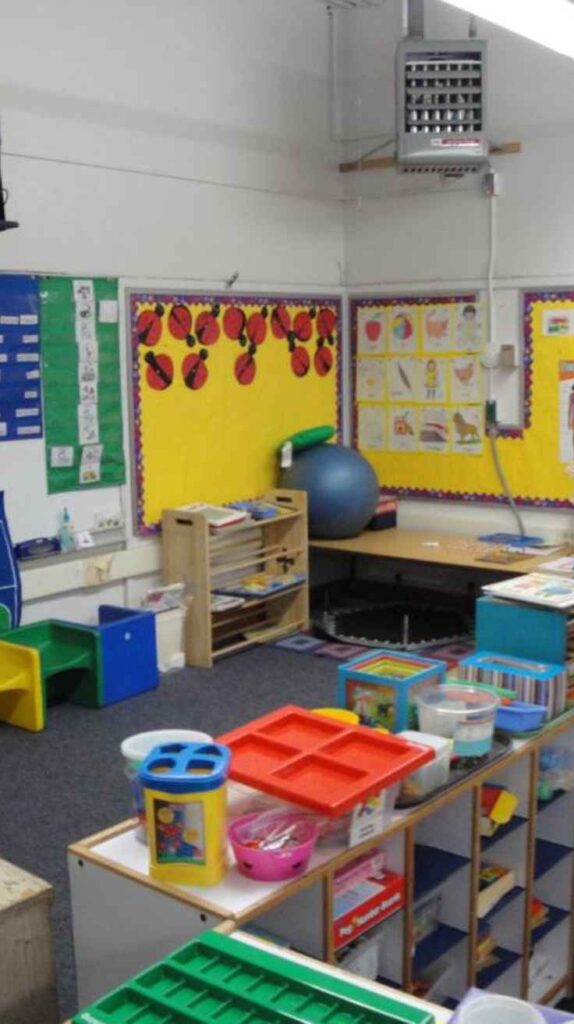
Interactive bulletin boards combine decoration and learning in a way that keeps children actively engaged. Instead of serving only as visual displays, these boards invite students to touch, move, sort, and participate in educational activities. Teachers can create weather charts, shape matching games, alphabet challenges, attendance boards, and question-of-the-day displays that encourage interaction.
Bright colors, playful graphics, and hands-on elements make the boards appealing and exciting. Children enjoy being part of the learning process, and interactive displays provide opportunities for daily involvement. Updating the content regularly maintains interest and introduces new concepts throughout the school year. These creative bulletin boards transform classroom walls into engaging educational tools that support curiosity and active learning.
Student Artwork Gallery That Celebrates Creativity
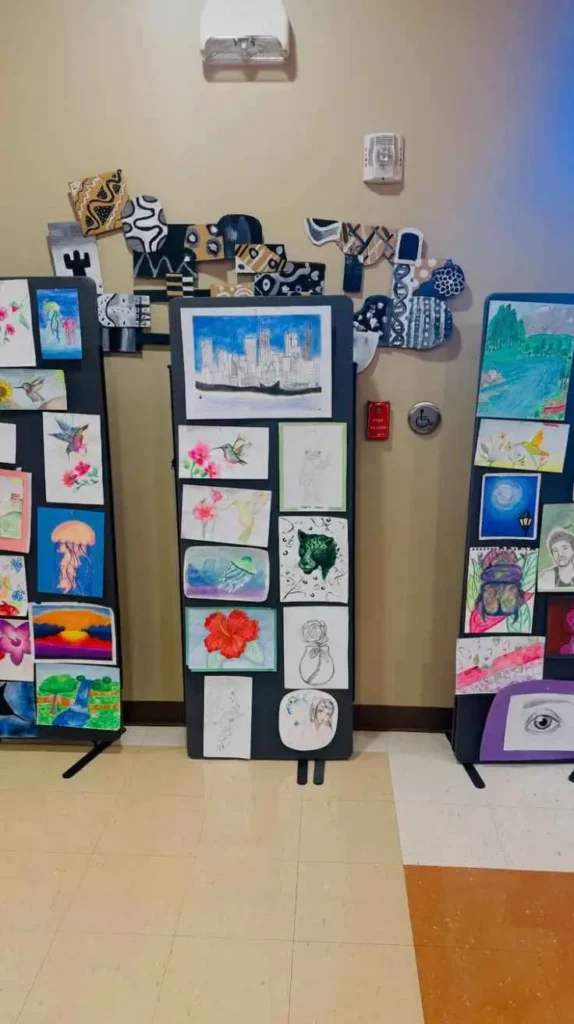
Displaying student artwork is one of the most meaningful ways to decorate a preschool classroom. A dedicated gallery area showcases drawings, paintings, crafts, and creative projects while highlighting each child’s unique abilities and imagination. Colorful frames, display boards, hanging strings, and clip systems help present artwork in an organized and attractive manner.
Children feel proud when their creations are displayed for classmates, teachers, and family members to admire. This recognition boosts confidence and encourages continued creative expression. Regularly rotating projects ensures every child receives attention and appreciation. A student artwork gallery adds authenticity and personality to the classroom while creating an environment where creativity, self-expression, and accomplishment are celebrated every day.
Educational Wall Displays That Blend Learning and Beauty
Educational wall displays can make classroom decor both attractive and functional. Posters featuring letters, numbers, colors, shapes, days of the week, and visual schedules provide constant learning opportunities while enhancing the room’s appearance. Young children naturally absorb information from their surroundings, making educational displays valuable teaching tools.
Clear graphics, large text, and colorful illustrations help students engage with concepts throughout the day. Well-designed displays support independent learning by giving children visual references they can use during activities and discussions. Maintaining a balanced layout prevents walls from feeling cluttered while ensuring information remains easy to understand. These displays contribute to an environment where learning happens naturally and continuously beyond structured lessons.
Seasonal Themes That Keep the Classroom Fresh
Seasonal decorations bring excitement and variety to a preschool classroom throughout the year. Autumn leaves, winter snowflakes, spring flowers, and summer sunshine introduce children to changing seasons while refreshing the learning environment. Decorative updates create anticipation and provide opportunities to discuss weather, holidays, plants, animals, and cultural traditions.
Teachers can involve students in creating seasonal crafts and collaborative displays, making the decor more meaningful and personal. Rotating themes prevent the classroom from feeling repetitive and encourage children to notice changes in their surroundings. Seasonal decorations also support lesson planning by connecting classroom visuals with educational topics. These evolving displays help maintain engagement while creating a dynamic and cheerful learning space.
Sensory-Friendly Areas That Promote Calmness
A sensory-friendly area provides children with a peaceful space where they can relax, reset, and regain focus during busy classroom days. Soft lighting, gentle colors, comfortable seating, and calming decorative elements create an atmosphere that supports emotional regulation and well-being. Textured pillows, sensory bottles, plush toys, and soothing visuals offer additional comfort and engagement.
Young children sometimes feel overwhelmed by noise, activity, or strong emotions, and a calming corner gives them a safe place to recharge. Thoughtful decoration plays an important role in creating this supportive environment. A sensory-friendly space helps children develop self-awareness and coping skills while contributing to a classroom culture that values emotional health and personal comfort.
Rainbow Color Themes That Spark Energy and Joy
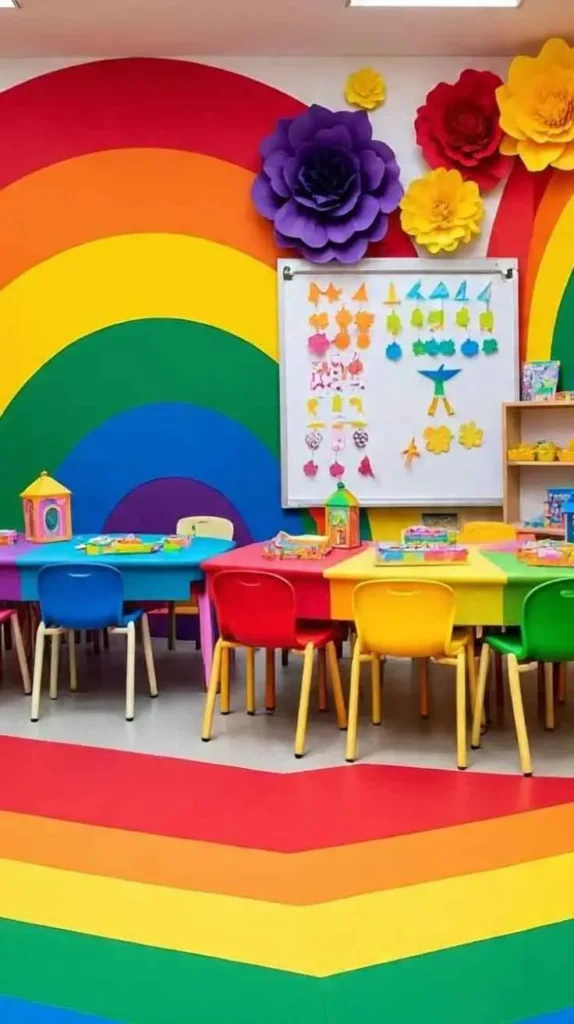
Rainbow-inspired decor brings vibrant energy and happiness into a preschool classroom. Bright colors naturally capture children’s attention and create a cheerful atmosphere that encourages participation and enthusiasm. Rainbow themes can appear on walls, classroom labels, storage units, learning stations, and educational displays to create a cohesive design.
Colorful decorations help young learners identify colors while making the environment feel lively and welcoming. The visual appeal of rainbow decor inspires creativity and creates a sense of excitement that keeps children engaged throughout the day. When balanced with organization and thoughtful placement, colorful themes enhance the classroom without becoming overwhelming. A rainbow-inspired design creates a joyful space where children feel motivated to learn and explore.
STEM Exploration Corner That Inspires Discovery
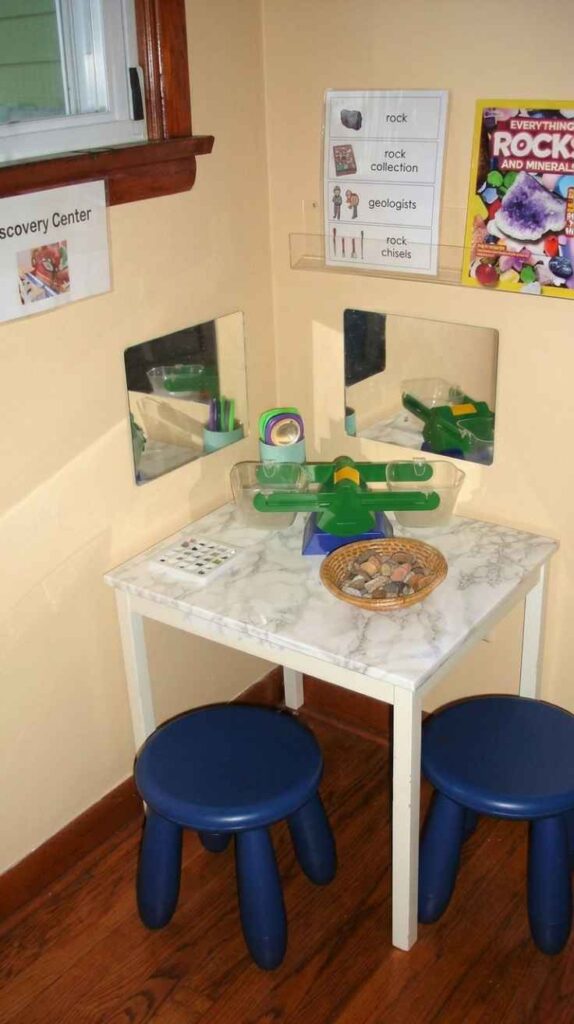
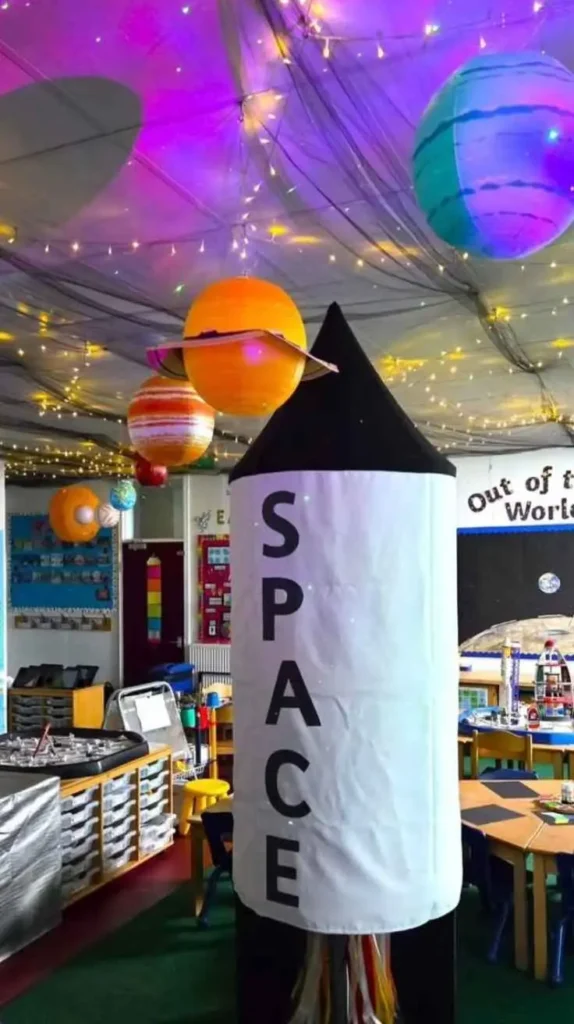
A STEM exploration corner introduces science, technology, engineering, and mathematics concepts through engaging visuals and hands-on activities. Decorations featuring gears, magnifying glasses, planets, building structures, and scientific discoveries encourage curiosity and exploration. This dedicated area can include colorful posters, labeled materials, and interactive displays that inspire children to investigate how things work.
Young learners enjoy experimenting, building, observing, and solving problems, making a STEM-themed space both educational and exciting. Decorative elements should support exploration while maintaining an organized appearance. Creating an environment focused on discovery helps children develop critical thinking, creativity, and confidence. A well-designed STEM corner demonstrates that learning can be fun, interactive, and filled with opportunities for new discoveries.
Community and Kindness Displays That Build Positive Relationships
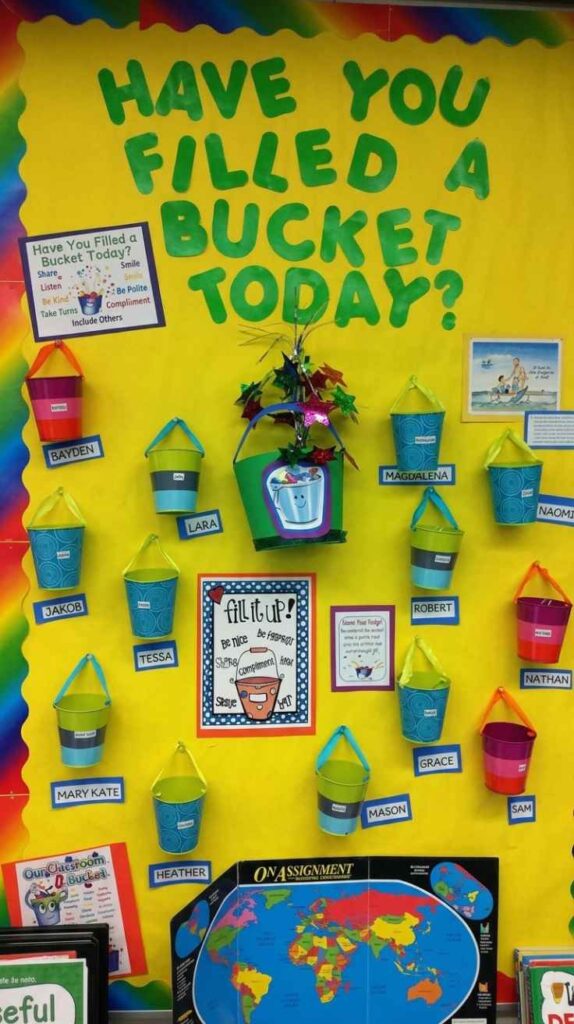
Kindness-focused decorations help create a welcoming classroom culture where children feel respected, included, and supported. Displays featuring encouraging messages, friendship themes, classroom expectations, and examples of positive behavior reinforce important social values every day. Teachers can incorporate photographs of students working together, collaborative art projects, and kindness recognition boards that celebrate thoughtful actions.
These visual reminders encourage empathy, cooperation, sharing, and respect among classmates. Children learn best when they feel safe and connected, and community-focused decor strengthens those relationships. Bright designs and uplifting messages contribute to a positive atmosphere while supporting social-emotional development. A classroom centered on kindness becomes a place where friendships grow, confidence develops, and every child feels valued.

She has nearly 5 years of expertise in organic gardening, plant pests and diseases, landscape design, horticulture, and permaculture. She is a Master Gardener and Horticulturist.
She includes keywords and phrases that raise the content’s search engine ranking because she has a good grasp of SEO best practices.
- Art Deco Living Room Ideas That Bring Glamour, Drama, and Timeless Style - October 15, 2026
- First Home Decor Ideas to Make Your New House Feel Warm, Stylish, and Inviting - October 14, 2026
- Closet Inspo Ideas to Create a Beautiful, Organized, and Stylish Space - October 11, 2026