
Modern Farmhouse Living Room Ideas That Feel Warm, Fresh, and Effortlessly Stylish
A beautiful living room doesn’t need to feel overly decorated to make an impression. The magic often comes from a thoughtful mix of comfort, texture, natural materials, and timeless details. Modern farmhouse style brings those elements together in a way that feels relaxed without looking dated. With the right furniture, lighting, colors, and accessories, even a simple room can become a warm gathering place that feels welcoming from the moment you walk in.
The best part? This style leaves plenty of room for personality. A weathered wood coffee table can sit beside a sleek sofa. A vintage-inspired rug can soften a contemporary space. Black metal accents can add definition while woven baskets and linen fabrics keep everything cozy. Below are beautiful approaches that can help create a living room with that inviting farmhouse character while still feeling current.
Create a Neutral Foundation With Soft Layers

A neutral color palette is one of the easiest ways to establish a modern farmhouse atmosphere. Start with shades such as warm white, cream, beige, taupe, soft gray, and natural brown. These colors create a calm backdrop without making the room feel cold or empty.
Instead of relying on one shade throughout the space, layer several related tones. A creamy sofa can work beautifully with beige curtains, a light gray area rug, and warm wood furniture. The subtle differences between these colors add depth.
Texture becomes especially important when the palette is simple. Linen cushions, chunky knit throws, woven baskets, wool rugs, and cotton upholstery can prevent neutral interiors from looking flat.
A few darker accents can also sharpen the overall design. Matte black picture frames, a dark lamp base, or black metal hardware can provide just enough contrast. The result feels peaceful but not boring, a balance that makes farmhouse-inspired interiors so appealing.
Pair a Comfortable Sofa With Rustic Wood Furniture

The sofa usually becomes the heart of a living room, so comfort should come first. Look for a generously sized sofa with soft cushions and an approachable shape rather than something that feels overly formal.
Cream, oatmeal, beige, and muted gray upholstery work particularly well. These colors blend naturally with farmhouse surroundings and provide plenty of flexibility when decorating.
Then bring in rustic wood furniture to create contrast. A reclaimed wood coffee table, wooden side table, or console can introduce natural character. Look for visible grain, subtle imperfections, and warm finishes.
The contrast between soft upholstery and solid timber gives the room an appealing sense of balance. One feels plush and comfortable; the other feels grounded and enduring. For an extra layer of charm, add a few cushions in striped, checked, or subtle botanical patterns. Keep the patterns restrained so the room remains sophisticated.
Add a Statement Fireplace With a Simple Mantel

Few features create warmth as quickly as a fireplace. Whether the room has a working fireplace, electric insert, or decorative surround, it can become a natural focal point. A simple white or cream surround works beautifully with farmhouse interiors. Brick, natural stone, shiplap, or textured plaster can add visual interest without overwhelming the space.
Keep the mantel relatively uncluttered. A large mirror, oversized artwork, or simple framed print can anchor the wall. Then add a few carefully chosen accessories such as a ceramic vase, candlestick, or small piece of greenery.
A wooden mantel beam can introduce another layer of rustic warmth. The rougher texture looks especially attractive against smooth painted walls. The secret is restraint. A fireplace should feel collected rather than crowded. Leave some empty space around the decorative pieces so each item has room to breathe.
Bring in Natural Wood for Instant Warmth

Natural wood is practically the soul of farmhouse decorating. It adds warmth, texture, and an organic quality that can make a room feel more connected to nature.
There are many ways to introduce it. A large coffee table is an obvious choice, but wooden ceiling beams, floating shelves, console tables, picture frames, stools, and accent chairs can work just as well.
For a modern look, avoid making every wooden surface identical. Combining lighter oak with medium-toned timber can create a more layered appearance. Reclaimed wood is another excellent choice when you want stronger rustic character. Its knots, grain patterns, and small imperfections give furniture a sense of history.
However, too much dark or distressed wood can make the space feel heavy. Balance substantial timber pieces with light walls, soft textiles, and plenty of open space. That contrast is what keeps the room feeling fresh rather than stuck in the past.
Use Black Accents to Give the Room a Modern Edge

Farmhouse interiors can sometimes lean heavily toward soft whites and rustic browns. Adding black accents gives the design a sharper, more contemporary personality. Black metal can appear in surprisingly small details. Try a black floor lamp, curtain rod, coffee table frame, fireplace screen, window frame, or wall sconce. The goal isn’t to cover the room in black. A handful of carefully placed accents can create visual rhythm.
For example, a black metal light fixture above the seating area can connect with black picture frames across the room. A dark coffee table base can echo the fireplace hardware. These repeated details make the room feel intentional.
For an especially polished look, combine black accents with warm wood and creamy textiles. The three materials work together beautifully: wood brings warmth, fabric brings softness, and black provides structure.
Make the Space Cozy With Layered Textiles

Comfort is a major part of the farmhouse aesthetic, and textiles are one of the easiest ways to achieve it. Start with a large area rug beneath the main seating arrangement. A vintage-inspired, faded, or subtly patterned rug can provide softness while adding personality.
Next, layer cushions in different materials. Linen, cotton, boucle, woven fabric, and textured upholstery can all work together. Stick to a coordinated color family so the combination doesn’t become chaotic.
Throws can add another cozy element. Drape one casually over the arm of a sofa or place it in a woven basket nearby. Curtains also matter. Lightweight linen or cotton panels can soften windows and allow natural light to filter through.
These details may seem small individually, but together they transform the atmosphere. The room starts to feel inviting, relaxed, and ready for long evenings with family and friends.
Decorate With Oversized Farmhouse Artwork

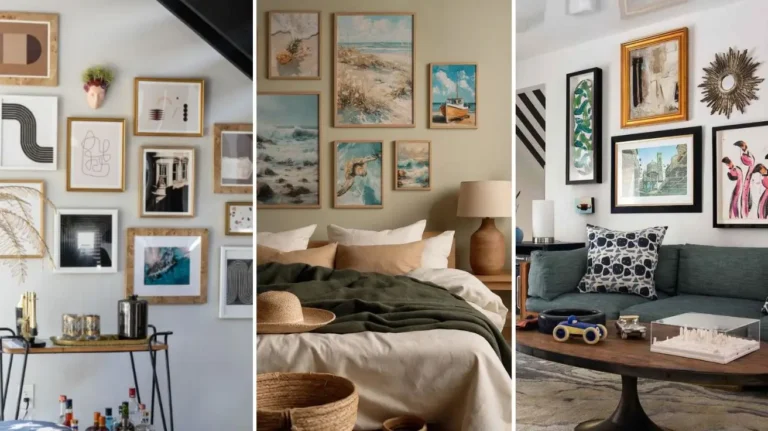
Large-scale artwork can make a living room feel finished without requiring dozens of small decorations. Consider landscapes, botanical prints, abstract neutral artwork, vintage-inspired signs, or black-and-white photography. A large piece above the sofa can immediately establish a visual focal point.
For a more collected look, create a small gallery wall using different frame sizes. Mixing wood and black frames can create an attractive connection between rustic and modern elements. Avoid filling every available wall. One strong artwork arrangement often has more impact than several unrelated pieces.
Natural subjects work particularly well because they complement the earthy character of farmhouse interiors. Trees, fields, mountains, flowers, and simple architectural illustrations can all reinforce that connection to the outdoors.
For a particularly welcoming result, choose artwork that contains some of the same colors found in the rug or cushions. This creates subtle visual harmony throughout the room.
Add Woven Baskets and Handmade Accessories

Accessories are where the personality of a living room really starts to emerge. Woven baskets are both attractive and practical. Place a large basket beside the sofa for blankets, another near the fireplace for firewood, or a smaller one beneath a console table for everyday items.
Materials such as rattan, seagrass, cane, and jute fit naturally into farmhouse interiors. Their organic textures help soften harder surfaces such as wood, metal, and stone. Handmade-looking ceramics can add another beautiful layer. Think simple pottery vases, stoneware bowls, candle holders, and textured planters.
The charm comes from subtle imperfections. Pieces that look handcrafted tend to feel warmer than accessories that appear overly polished or mass-produced. Greenery can complete the arrangement. A leafy houseplant, eucalyptus stems, olive branches, or seasonal flowers can bring color and life into a neutral room. Just a few natural accessories can make the space feel lived-in without creating clutter.
Choose Lighting That Feels Warm and Inviting

Lighting can completely change how a living room feels. Even a beautifully decorated space can seem dull if it relies on one harsh overhead fixture. A layered lighting plan works much better. Combine ceiling lighting with floor lamps, table lamps, wall sconces, and accent lighting.
Black metal fixtures can reinforce the modern side of the design, while woven shades introduce softer farmhouse texture. Brass and aged bronze can also work when used thoughtfully. Choose warm-toned bulbs rather than very cool white lighting. Warm illumination makes cream walls, wood furniture, and natural textiles appear richer and more welcoming.
Place a floor lamp beside a reading chair or table lamp on a console. These smaller sources create pools of light throughout the room. When evening arrives, the room should feel different from how it looks during the day, softer, calmer, and more intimate.
Mix Vintage Details With Contemporary Pieces

One of the most interesting ways to decorate a modern farmhouse living room is to combine old and new. A contemporary sofa can sit beside a vintage wooden cabinet. A sleek coffee table can share space with an antique-style mirror. Modern artwork can hang above a weathered console.
This mixture prevents the room from looking like it came directly from a furniture showroom. Vintage-inspired pieces don’t necessarily need to be genuine antiques. Look for furniture and accessories with traditional silhouettes, aged finishes, or handcrafted details.
At the same time, don’t make every item rustic. A few contemporary pieces create contrast and keep the room feeling current. The beauty lies in the tension between the styles. Something polished beside something weathered feels much more interesting than a room where everything has exactly the same finish.
Use an Open Layout With Comfortable Conversation Areas

A farmhouse living room should encourage people to sit down and stay awhile. Furniture placement plays a major role in achieving that feeling. Rather than pushing every piece against the walls, create a central seating arrangement. Position sofas and chairs so they naturally face one another.
A coffee table should sit within comfortable reach of the main seating. An area rug can visually connect the entire arrangement. If the room is large, create separate zones. One side might contain the main sofa and television, while a corner could feature a reading chair, small table, and floor lamp.
Keep pathways open. Nobody wants to navigate an obstacle course just to reach the sofa. This approach makes the room feel organized without becoming rigid. It also helps the space work equally well for quiet mornings, casual gatherings, and relaxed evenings.
Finish With Greenery and Seasonal Farmhouse Decor

Plants are an excellent addition because their natural shapes soften the straight lines commonly found in furniture. Large leafy plants can fill an empty corner, while smaller plants work beautifully on shelves and side tables.
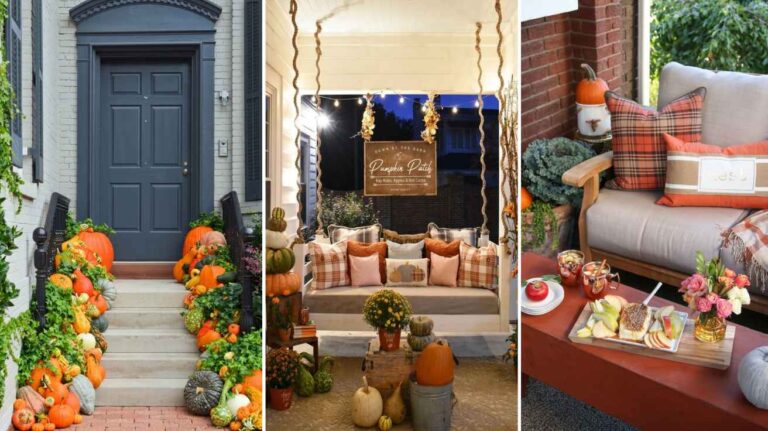
Seasonal decorations can also refresh the room throughout the year. In fall, add pumpkins, dried grasses, warm-toned throws, and textured accents. During winter, bring in evergreen branches, cozy blankets, and simple candles.
Spring can introduce fresh flowers and lighter fabrics, while summer works beautifully with woven accessories and airy textiles. The key is to avoid overdecorating. A few seasonal pieces can create a noticeable change without forcing the entire room into a theme.
That balance keeps the space timeless.
Read

She has nearly 5 years of expertise in organic gardening, plant pests and diseases, landscape design, horticulture, and permaculture. She is a Master Gardener and Horticulturist.
She includes keywords and phrases that raise the content’s search engine ranking because she has a good grasp of SEO best practices.
- Room Color Combination Ideas to Create a Beautiful, Cozy, and Stylish Home - October 22, 2026
- Hall Colour Combination Ideas to Make Your Home Look Beautiful and Welcoming - October 21, 2026
- Red Christmas Tree Ideas to Make Your Home Feel Magical This Holiday Season - October 20, 2026