Mexican Backyard Ideas for a Warm, Colorful Outdoor Space
A backyard can be much more than an empty patch of grass with a few chairs scattered around. With the right colors, textures, plants, lighting, and handcrafted details, it can become a lively retreat filled with warmth and personality. 12 mexican backyard ideas offer plenty of inspiration for creating an outdoor space that feels cheerful, welcoming, relaxed, and full of character.
Mexican-inspired outdoor design is known for its rich colors, rustic textures, natural materials, colorful tiles, terracotta pots, flowering plants, and comfortable gathering spaces. The beauty comes from mixing practical elements with decorative details rather than making everything look perfectly matched.
Even a small patio can capture this feeling. A few terracotta planters, a colorful outdoor rug, handmade pottery, and warm string lights can completely change the atmosphere. For larger spaces, a pergola, outdoor kitchen, fire pit, or tiled seating area can create a backyard that feels like a private vacation spot.
The best part is that these ideas can be adapted to different budgets and home styles. Some require only simple decorating changes, while others can become weekend projects or larger landscaping upgrades. The following ideas bring together different ways to create an inviting outdoor space with a distinctly Mexican-inspired character.
Create a Colorful Tiled Patio
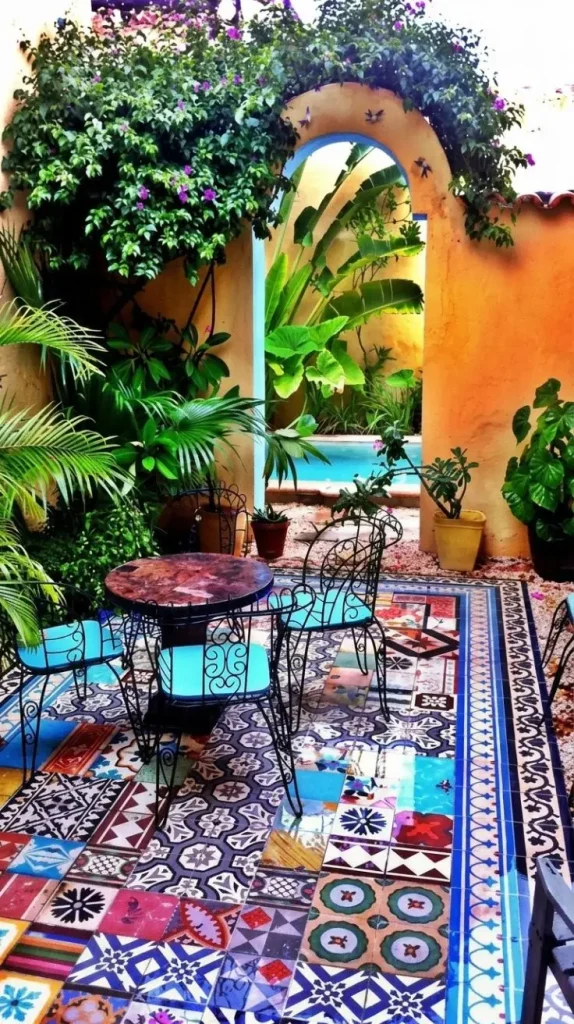
Colorful tile is one of the easiest ways to introduce Mexican-inspired style into an outdoor area. Talavera-style tiles, patterned ceramic tiles, and hand-painted designs can instantly add personality to a plain patio.
A tiled section can be used around a dining table, beneath an outdoor seating arrangement, or as a decorative border around a patio. Blue, yellow, turquoise, red, orange, and earthy terracotta tones work beautifully together.
There is no need to cover the entire backyard with tile. A small tiled feature can make a stronger visual statement while keeping the project manageable. Patterned tiles can also be used on outdoor steps, a small table, a garden wall, or the top of a built-in bench.
Pair the tile with natural wood furniture and simple greenery. The contrast between colorful ceramic surfaces and organic materials creates a relaxed atmosphere instead of making the space feel overly decorated.
Add Terracotta Pots Everywhere
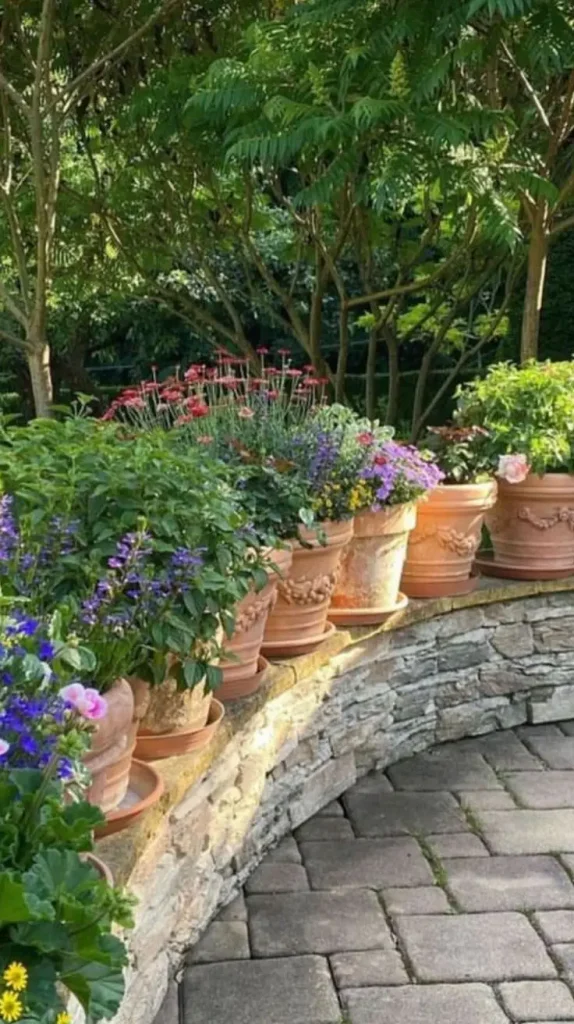
Terracotta is a natural fit for a warm outdoor setting. Its earthy orange color works beautifully with green foliage, colorful flowers, stone pathways, and rustic furniture.
Large terracotta pots can frame a patio entrance, while smaller containers can sit on steps, shelves, walls, or outdoor tables. Grouping several pots of different sizes creates more visual interest than placing identical containers in a straight line.
Plants such as bougainvillea, agave, aloe, succulents, lavender, rosemary, and flowering annuals can work particularly well depending on the local climate. The goal is to create a garden that feels abundant without becoming difficult to maintain.
For an even more authentic appearance, mix plain terracotta containers with hand-painted ceramic pots. Small imperfections and variations in color can actually make the space feel more charming and handcrafted.
Build a Cozy Outdoor Dining Area
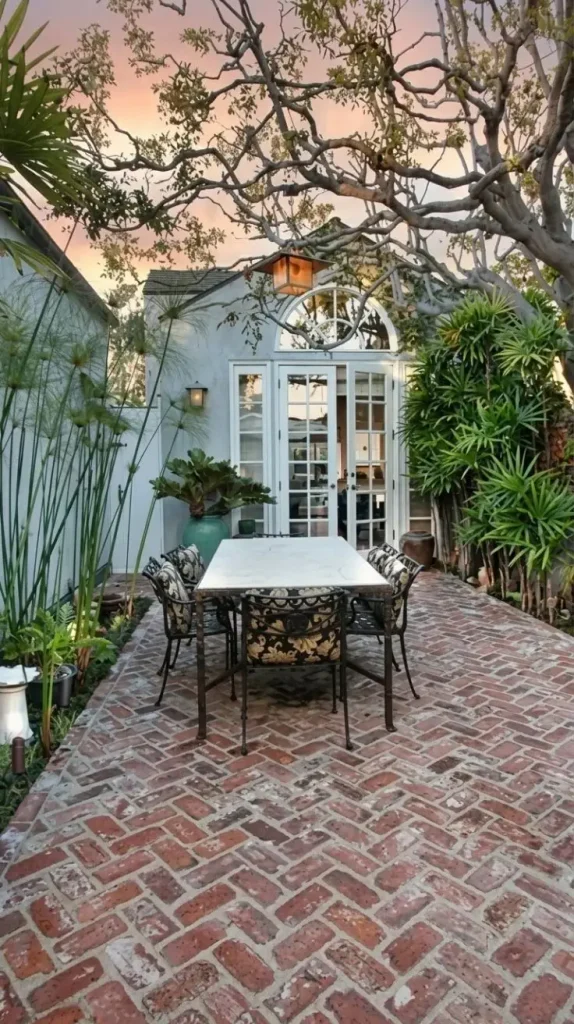
A Mexican-inspired backyard should have a place where people can gather, eat, talk, and stay long after the meal is finished. An outdoor dining area can become the heart of the space.
A sturdy wooden table surrounded by colorful chairs creates a simple foundation. Add patterned cushions, woven placemats, ceramic serving dishes, and colorful table linens to bring more personality to the setting.
For shade, consider placing the table beneath a pergola, covered patio, or large outdoor umbrella. Hanging lanterns or string lights above the dining area can make evening meals feel especially inviting.
The setting does not need expensive furniture. A rustic table with a few mismatched chairs can look even better than a perfectly coordinated dining set. Comfortable seating and warm lighting matter more than creating a flawless arrangement.
Design a Rustic Stone Pathway
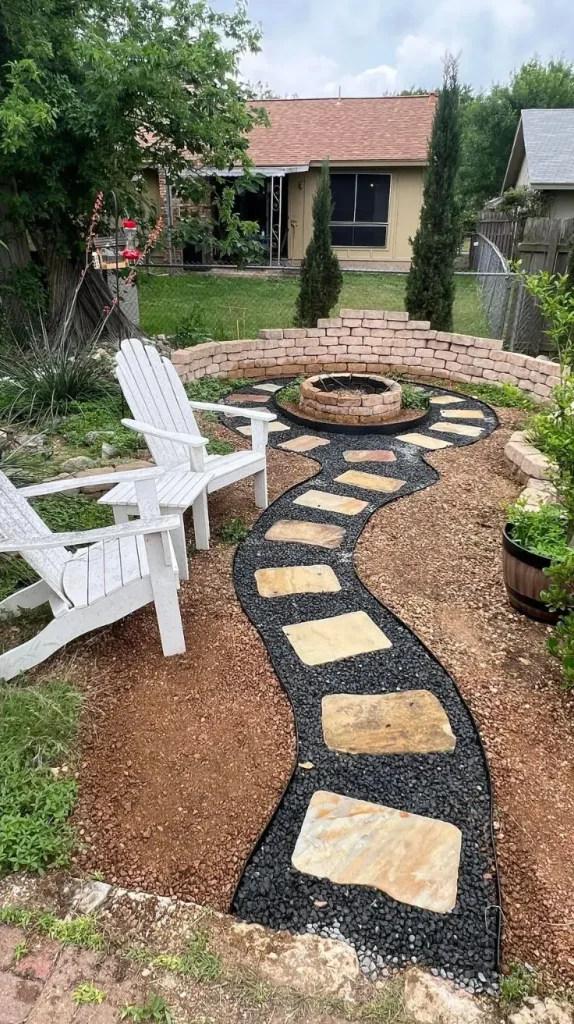
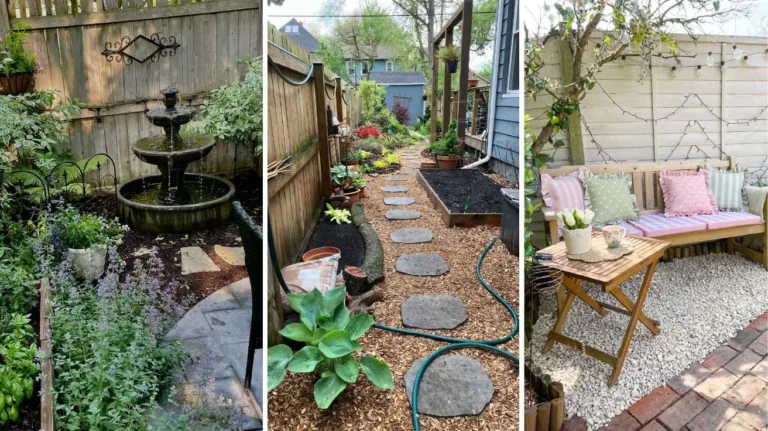
A stone pathway can make the backyard feel connected and thoughtfully designed. Natural stone, gravel, brick, and irregular pavers all work well with rustic landscaping.
Instead of creating a perfectly straight walkway, use gentle curves when the space allows. A winding path leading toward a seating area, garden, fountain, or fire pit creates a sense of discovery.
Low-growing plants can soften the edges of the walkway. Succulents, ornamental grasses, flowering ground covers, and small shrubs can fill the spaces between larger stones. Gravel is another budget-friendly choice. It adds texture and creates a relaxed Southwestern feel while allowing rainwater to move naturally through the ground.
A pathway can also separate different backyard zones. One section might hold an outdoor dining area, another a garden, and another a quiet sitting corner.
5. Bring in a Colorful Pergola
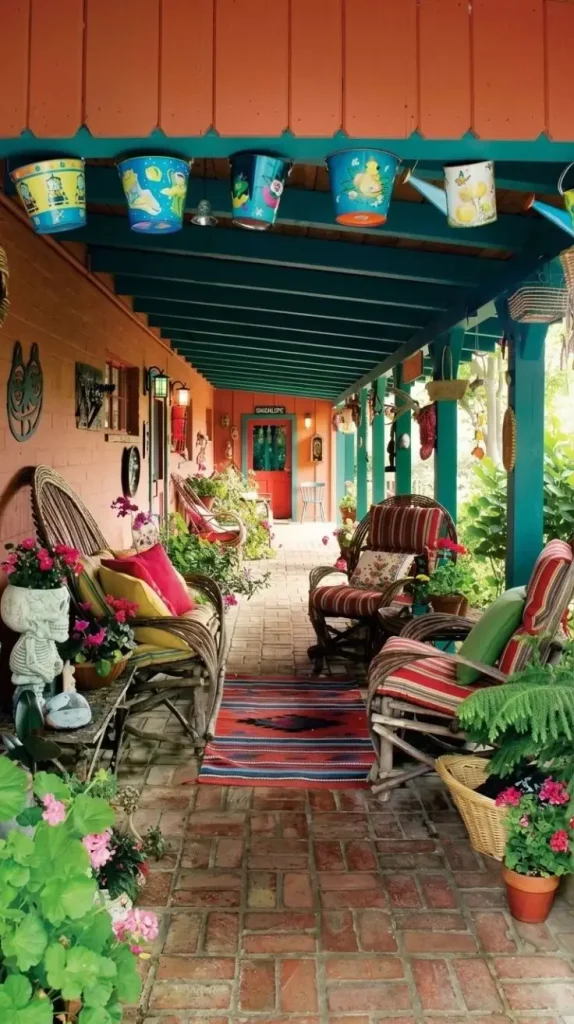
A pergola provides shade, structure, and a strong focal point. It can also transform a plain backyard into a more intimate outdoor room. Wood is an excellent material for this style because its natural appearance works well with terracotta, stone, colorful textiles, and greenery. The structure can remain natural or receive a warm stain or painted finish.
Climbing plants can soften the beams and create additional shade. Bougainvillea, jasmine, passionflower, grapevines, or other suitable climbers can bring flowers and foliage overhead. Hang lanterns from the beams for evening lighting. Woven pendant lights can add another layer of texture. Beneath the pergola, place a dining table, lounge chairs, or a comfortable bench. The result is a space that feels sheltered without completely closing off the backyard.
Create a Mexican-Inspired Outdoor Kitchen
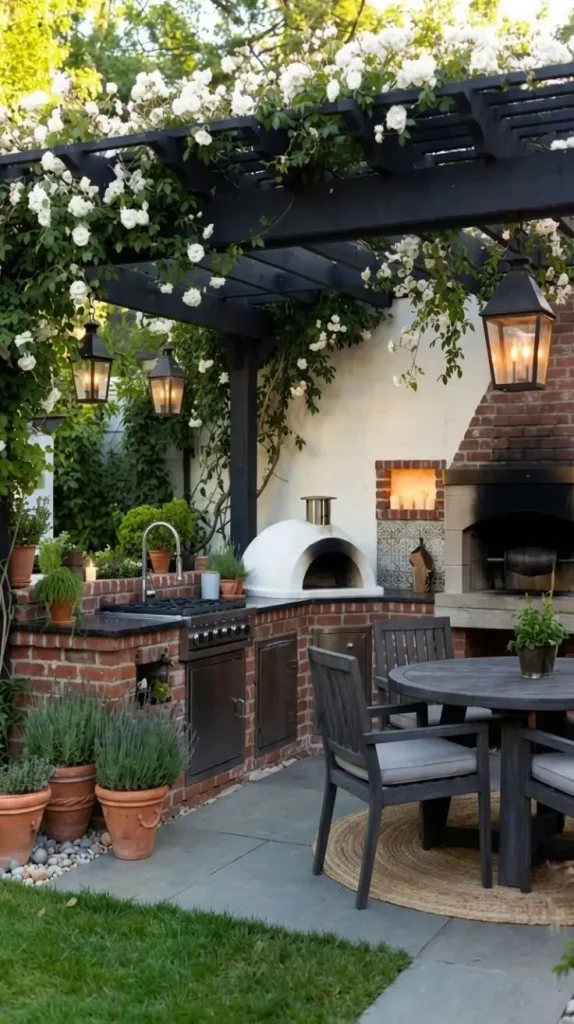
An outdoor kitchen can turn backyard entertaining into a much more enjoyable experience. Instead of constantly walking inside to prepare food, everything needed for cooking and serving can remain close at hand.
A simple setup might include a grill, countertop, storage cabinets, and a small sink. Larger spaces can accommodate a refrigerator, pizza oven, cooking station, and bar seating. Tile is particularly useful for adding character to an outdoor kitchen. A colorful backsplash behind the cooking area can become the main decorative feature.
Open shelving can display ceramic plates, bowls, serving pieces, and terracotta cookware. Wooden shelves combined with patterned tile create a warm rustic appearance. The design should still prioritize practicality. Choose weather-resistant materials, provide enough counter space, and make sure cooking areas have suitable ventilation and protection from the elements.
Add a Small Water Feature
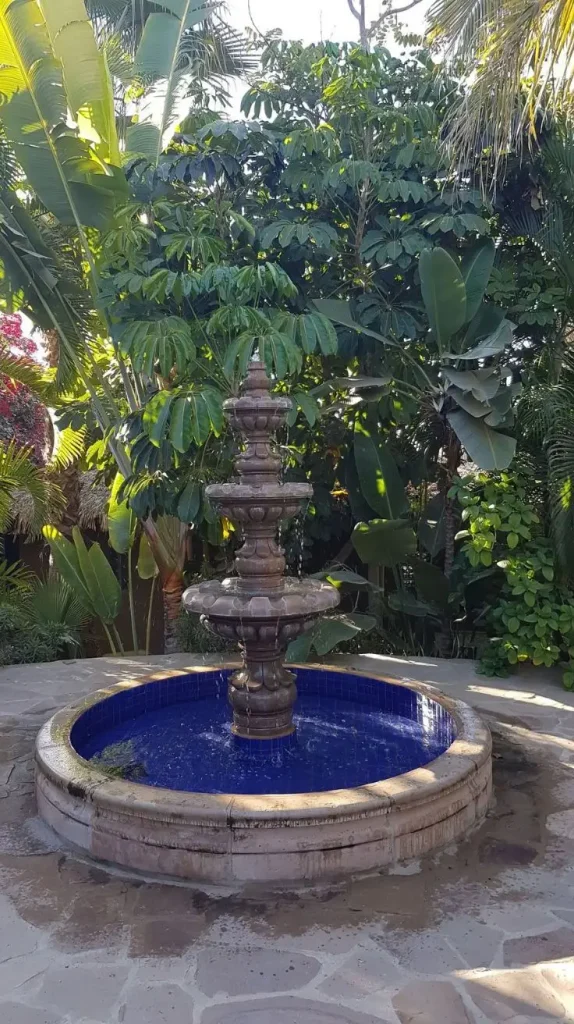
The sound of moving water can make an outdoor space feel peaceful almost instantly. A small fountain can become a beautiful focal point without requiring a huge backyard. Traditional-inspired ceramic fountains, stone basins, and simple wall fountains can all complement colorful landscaping.
Place the feature near a seating area where the sound can be enjoyed. Surround it with potted plants, gravel, stone, or flowering greenery. A wall fountain can work particularly well in a small patio because it uses vertical space rather than taking up valuable floor area. Water features also create movement and sound, giving the backyard more sensory appeal. During warm afternoons, the gentle sound of water can make the space feel cooler and calmer.
Use Bright Outdoor Textiles
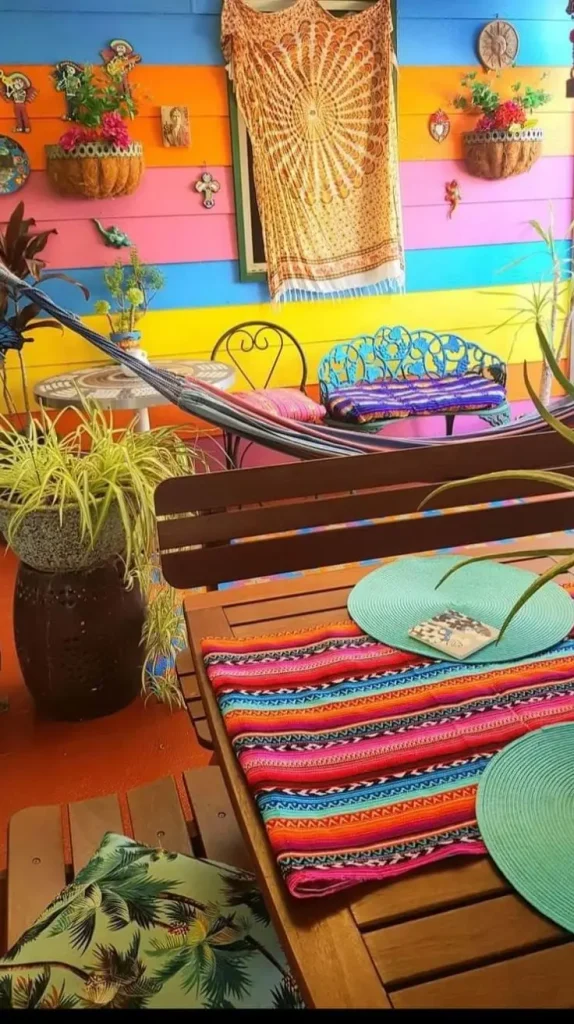
Colorful textiles can transform a backyard without requiring construction or expensive landscaping work. Outdoor cushions, rugs, blankets, curtains, and table runners are easy ways to introduce bold patterns.
Look for geometric designs, stripes, floral motifs, and warm color combinations. Terracotta orange, turquoise, deep blue, mustard yellow, red, and green can all work beautifully together.
A patterned outdoor rug can define a seating area and make it feel more like an outdoor living room. Add cushions in different patterns while keeping a few colors consistent so the arrangement feels connected.
Outdoor curtains can also provide privacy and shade around a pergola or covered patio. When the breeze moves through the fabric, the space gains a soft, relaxed quality. Textiles are especially useful because they can be changed seasonally. A backyard can have bright summer colors and warmer tones during cooler months.
Build a Backyard Fire Pit Area
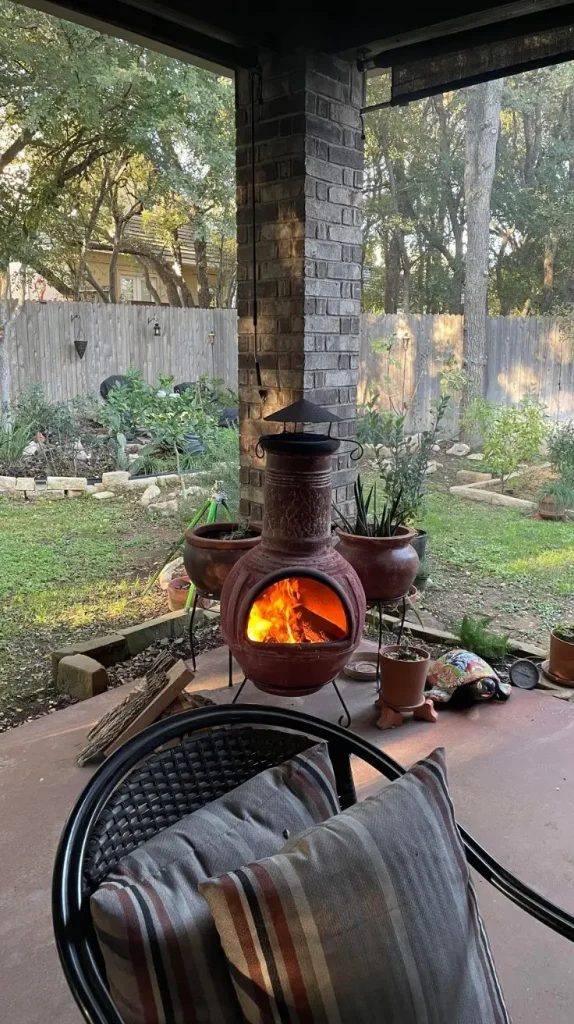
A fire pit can create a natural gathering place for evenings, family conversations, and outdoor celebrations. It also adds warmth and visual interest after sunset. A circular stone fire pit surrounded by comfortable chairs gives the backyard a relaxed appearance. For a more permanent design, build a low masonry seating wall around part of the area.
Use gravel, stone, or heat-resistant paving around the fire feature. Keep furniture and decorative materials at a safe distance, and follow local fire regulations and manufacturer instructions.
Add a few terracotta pots around the outer edge of the seating area. Warm lanterns or string lights can provide additional illumination without overwhelming the glow of the fire. This small corner can quickly become one of the most-used areas in the backyard.
Create a Lush Desert Inspired Garden
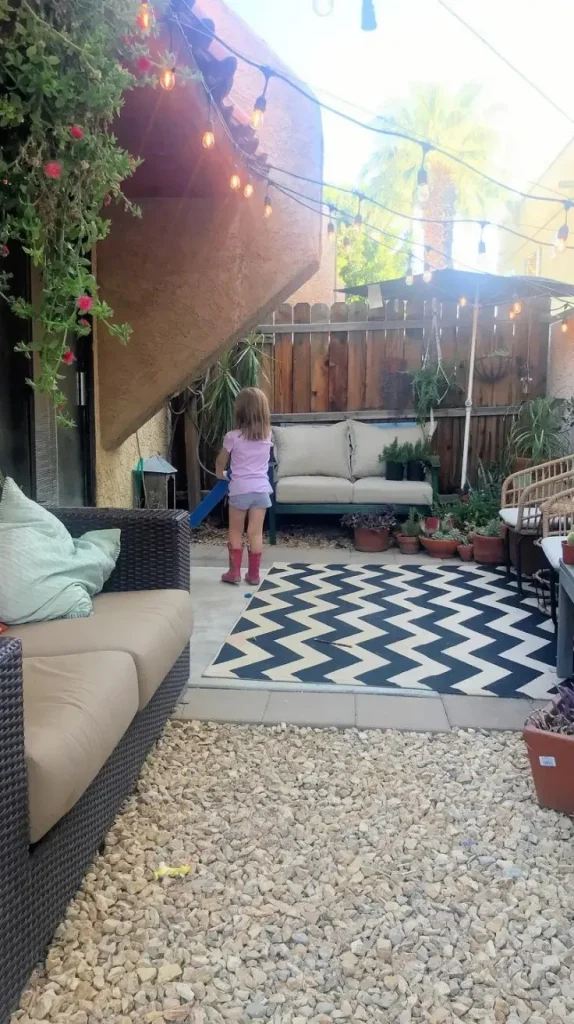
Mexican-inspired landscaping does not have to mean filling every corner with tropical plants. A combination of drought-tolerant greenery, sculptural plants, flowers, and natural stone can create a beautiful desert-inspired garden.
Agave, yucca, aloe, prickly pear, ornamental grasses, and various succulents can provide strong shapes and interesting textures. Add flowering plants for bursts of color. Use gravel or crushed stone as mulch around drought-tolerant plants. Large rocks can create natural-looking borders and give the garden more structure.
The key is variety. Combine tall plants with low ground covers, rounded forms with spiky leaves, and muted foliage with colorful flowers. For homeowners in dry climates, this approach can also help reduce water requirements when plants are selected according to local growing conditions.
Decorate With Handmade Garden Details
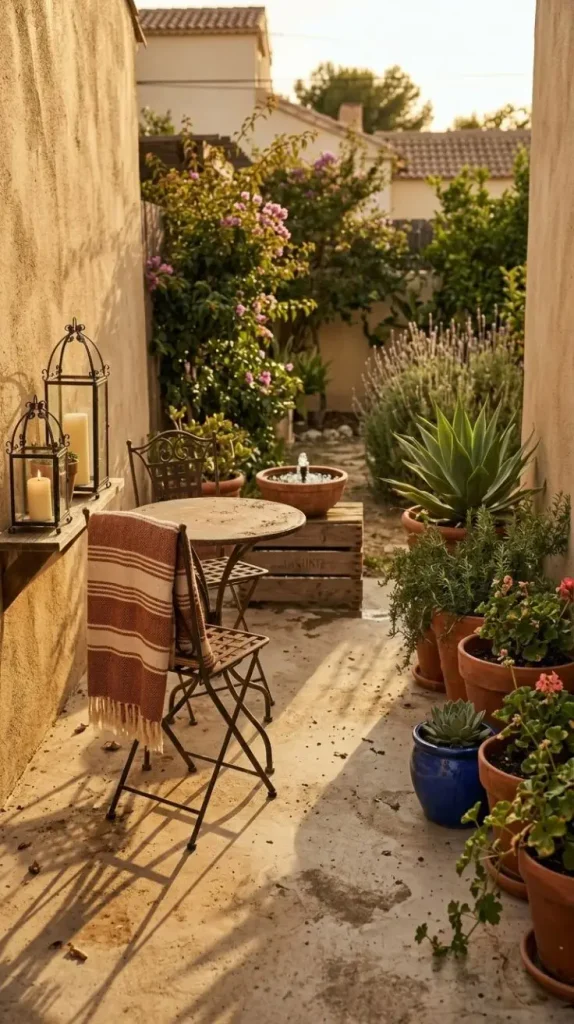
Handcrafted decorations can give an outdoor space a sense of history and personality. Ceramic wall art, painted planters, clay figures, woven baskets, colorful pottery, and decorative tiles can all contribute to the look.
A plain garden wall can become a feature by adding a collection of colorful ceramic pieces. Instead of hanging everything at exactly the same height, create a loose arrangement with different shapes and sizes.
Old wooden ladders can become plant stands. Rustic crates can hold small pots. A weathered bench can provide both seating and decorative charm. These details do not need to match perfectly. In fact, slight differences often make the backyard feel more collected and personal. Choose outdoor-safe pieces when possible, especially in areas exposed to rain and strong sunlight.
Finish the Space With Warm Lighting
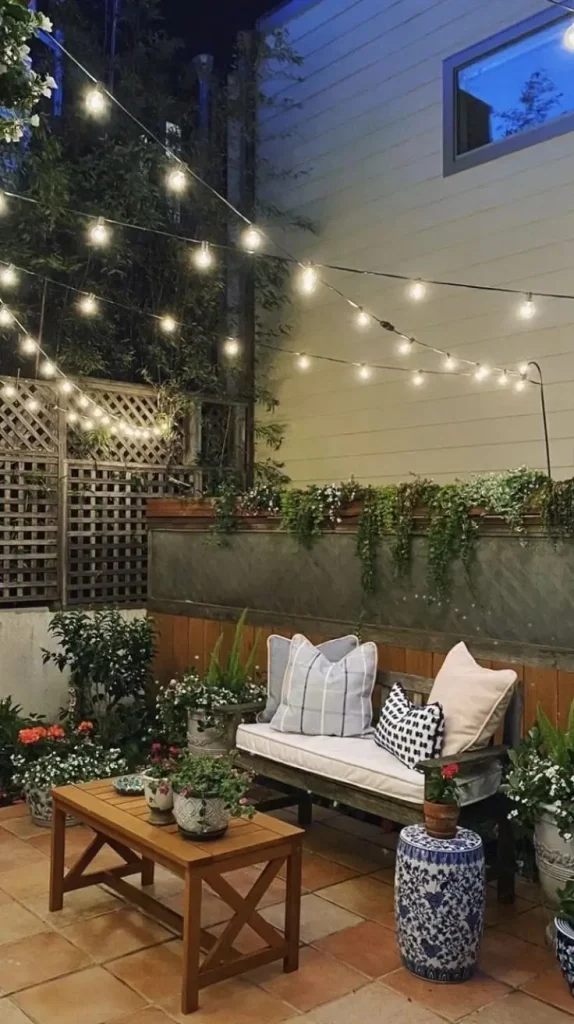
Lighting can completely change the appearance of a backyard after sunset. During the day, plants, tile, furniture, and landscaping create the visual appeal. At night, lighting takes over.
String lights are one of the easiest choices. Hang them across a pergola, above a dining area, along a fence, or around a covered patio. Lanterns can provide a more traditional and intimate feeling. Place them on tables, steps, shelves, or safe outdoor surfaces.
Path lights can guide guests through the garden while highlighting plants and stonework. Uplighting can also emphasize trees, textured walls, or architectural features. Avoid making every area equally bright. A combination of brighter task lighting and softer ambient lighting creates a more comfortable atmosphere.
How to Combine Colors Without Making the Backyard Feel Overwhelming
Bold color is an important part of this design style, but too many competing colors can make a space feel chaotic. A simple color plan can keep everything visually connected.
Start with two or three main colors. Terracotta and turquoise make a classic combination, while yellow and blue can create a brighter atmosphere. Deep red, orange, and earthy brown can produce a warmer appearance.
Use neutral materials such as wood, stone, gravel, and natural clay to balance stronger shades.
For example, a patio could have colorful tiles, while the furniture remains natural wood. Bright cushions can then connect the colors from the floor to the seating area.
This approach creates richness without making every object compete for attention.

She has nearly 5 years of expertise in organic gardening, plant pests and diseases, landscape design, horticulture, and permaculture. She is a Master Gardener and Horticulturist.
She includes keywords and phrases that raise the content’s search engine ranking because she has a good grasp of SEO best practices.
- Mexican Backyard Ideas for a Warm, Colorful Outdoor Space - October 6, 2026
- Halloween Window Painting Ideas to Make Your Home Spooktacular - October 5, 2026
- Halloween Cubicle Decor Ideas to Make Your Workspace Spooktacular - October 3, 2026