European Patio Ideas That Bring Timeless Charm to Any Outdoor Space
A beautiful outdoor space can completely transform the way a home feels. Across Europe, patios are more than just places to sit. They become gathering spots for family dinners, morning coffee, quiet afternoons, and unforgettable evenings under the stars. The charm comes from the details, aged stone, climbing vines, elegant furniture, warm lighting, and a strong connection to nature.
European-inspired outdoor spaces have remained popular for decades because they blend beauty, comfort, and practicality. From rustic countryside retreats in Tuscany to sophisticated Parisian courtyards, these designs create an atmosphere that feels welcoming and effortlessly stylish.
The best part? Many of these ideas can work in almost any backyard, regardless of size. Small patios, large gardens, urban courtyards, and suburban outdoor living spaces can all benefit from classic European influences.
Here are twelve stunning ways to bring European elegance into an outdoor retreat.
Create a Rustic Stone Retreat
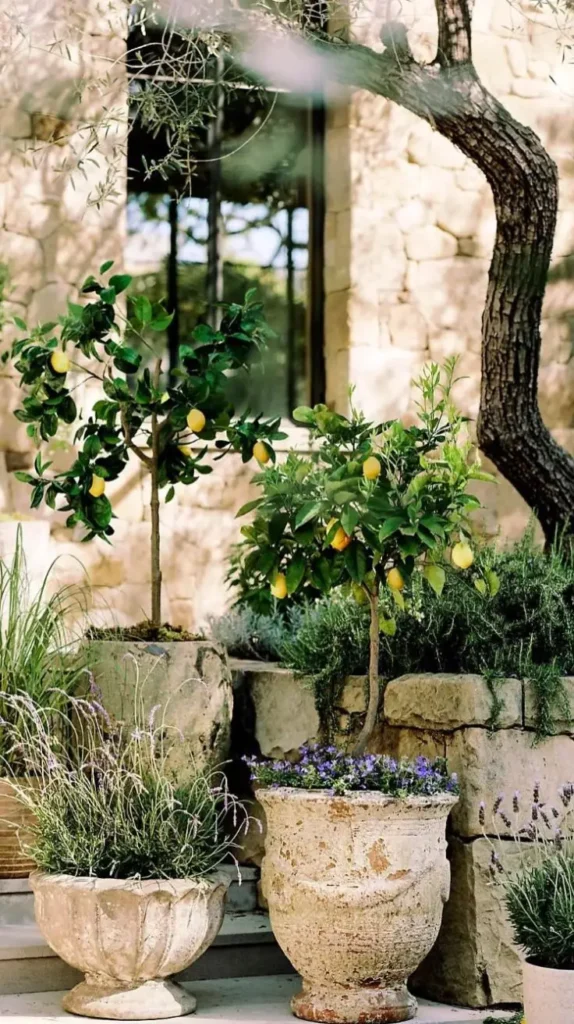
Natural stone is one of the most recognizable elements of European landscape design. Historic villages throughout Italy, France, and Spain showcase beautiful stone pathways and patios that have stood the test of time.
Large limestone pavers, weathered flagstone, or cobblestone surfaces instantly create an authentic appearance. The slight imperfections and texture add character that concrete alone often lacks.
Pair the stone flooring with terracotta planters overflowing with lavender, rosemary, and olive trees. Wooden furniture with a distressed finish helps reinforce the old-world atmosphere. A rustic stone patio feels warm, inviting, and connected to nature. As the stone ages, it becomes even more beautiful, creating a timeless outdoor living space that never feels outdated.
Add a Mediterranean Dining Area
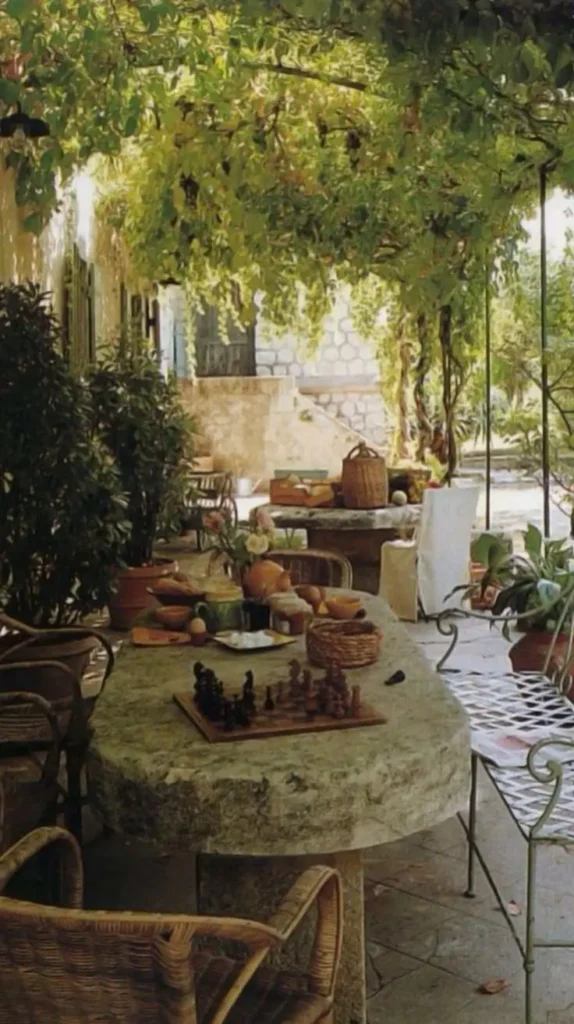
Outdoor dining sits at the heart of Mediterranean culture. Long meals shared with friends and family define many European lifestyles, making dining spaces a key design feature.
A large wooden dining table serves as the focal point. Surround it with comfortable chairs and decorate with ceramic pottery, lanterns, and colorful cushions inspired by coastal regions.
Terracotta flooring enhances the Mediterranean feel while adding warmth and texture. Herbs planted nearby provide fragrance and practical cooking ingredients at the same time.
String lights hanging overhead create a magical evening ambiance. As daylight fades, the soft glow transforms an ordinary patio into a destination that feels straight out of southern Europe. The combination of natural materials, comfortable seating, and thoughtful details creates an environment that encourages people to slow down and enjoy every moment outdoors.
Design a French Courtyard Escape
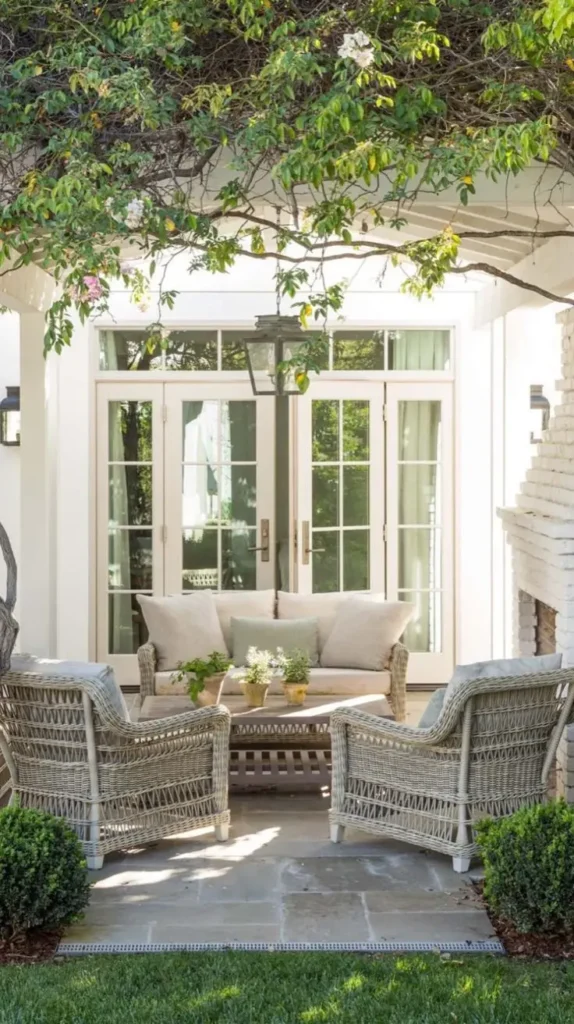
French courtyard gardens are known for elegance and simplicity. Even small outdoor spaces can capture this sophisticated style.
Start with symmetrical arrangements. Matching planters, balanced furniture placement, and structured greenery create a polished appearance.
Black wrought iron furniture instantly brings Parisian charm. A small bistro table paired with classic chairs offers both beauty and function. Neutral color palettes work especially well in French-inspired patios. Soft creams, muted grays, and natural stone tones create a calm and refined atmosphere.
Climbing roses, boxwood shrubs, and decorative urns complete the look. Every element feels intentional, creating a space that appears effortless yet carefully designed. This style proves that even compact patios can feel luxurious without requiring extensive renovations.
Incorporate a Pergola Covered in Vines
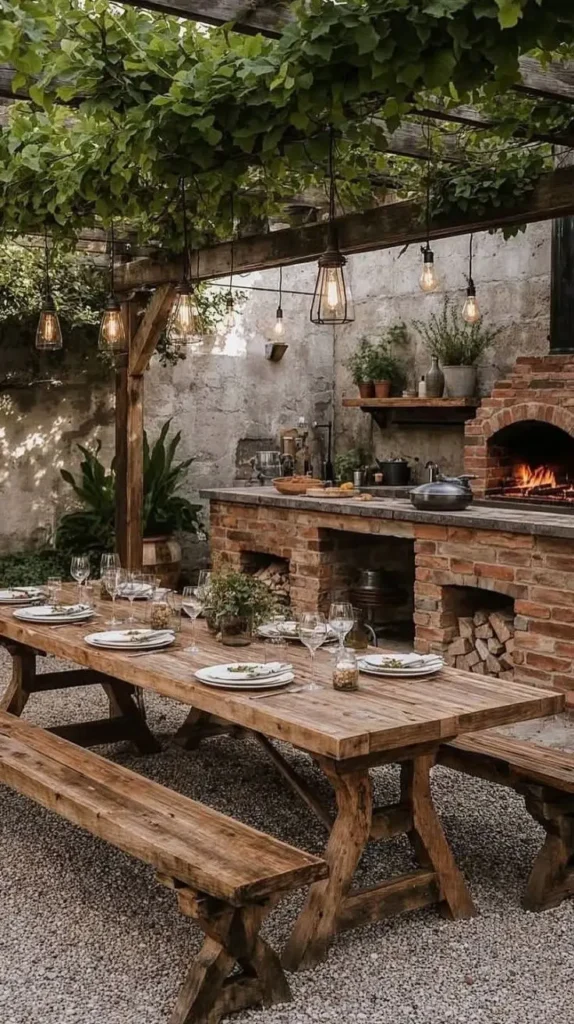
Many European gardens feature pergolas draped in lush greenery. These structures provide shade while creating an enchanting visual focal point.
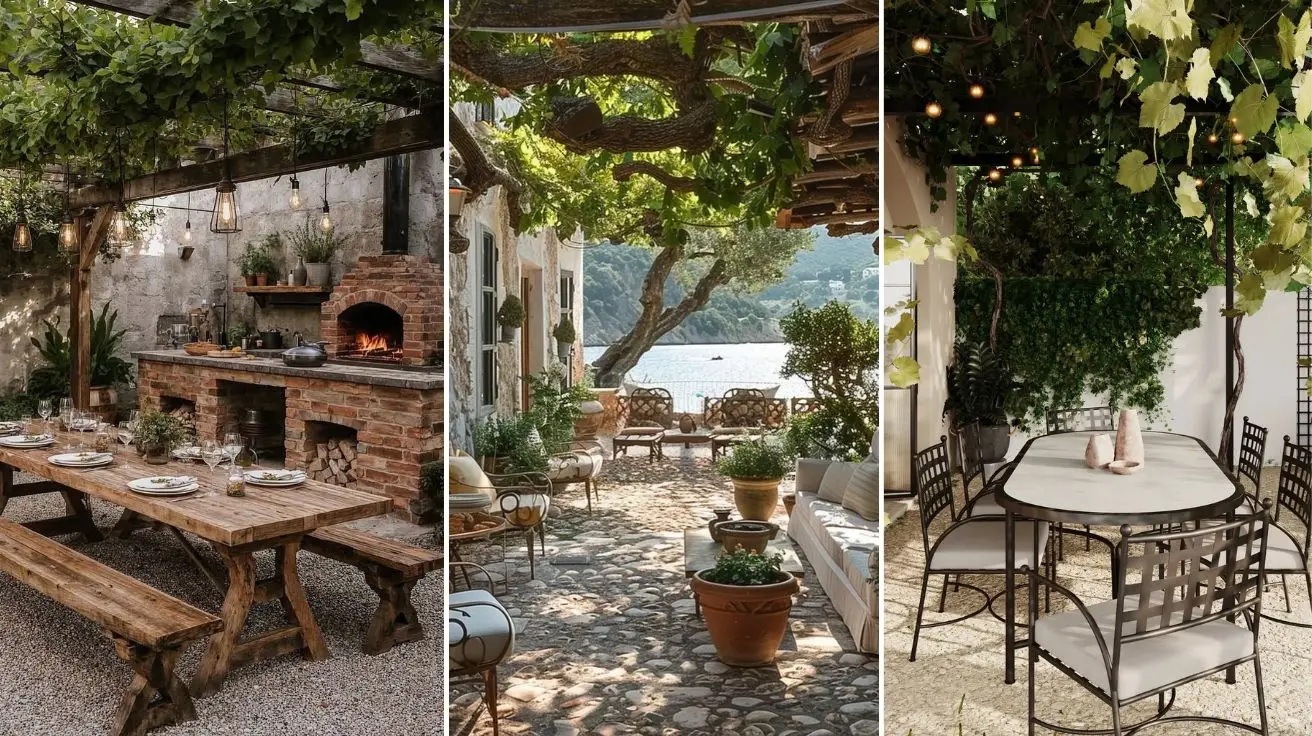
Wooden pergolas covered with grapevines, wisteria, or climbing roses soften hardscape surfaces and bring natural beauty overhead. The filtered sunlight creates beautiful patterns across the patio floor throughout the day. This dynamic effect adds movement and interest without additional decoration.
Comfortable lounge furniture underneath transforms the space into an outdoor living room. Add outdoor curtains for extra privacy and softness. A vine-covered pergola creates an intimate setting that feels secluded and romantic while still remaining open to the surrounding landscape.
Use Terracotta for Authentic Character
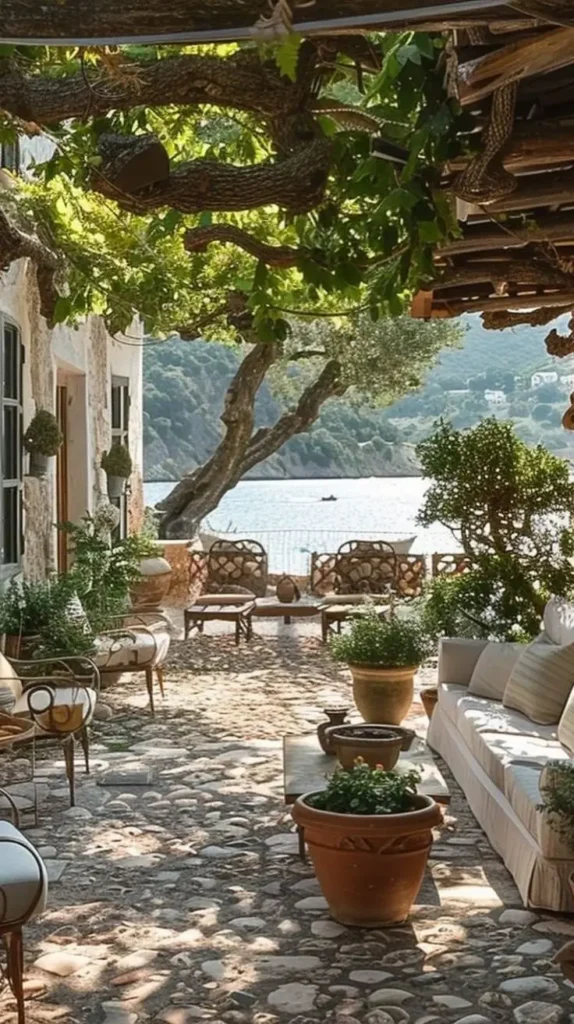
Terracotta has played a major role in European architecture and garden design for centuries. Its warm earthy color instantly adds personality to outdoor spaces. Large terracotta pots filled with citrus trees, lavender, rosemary, and geraniums create a classic Mediterranean appearance. These containers work beautifully on patios of all sizes.
Terracotta tiles can also serve as flooring. Their rich tones complement stone walls, wood furniture, and natural landscaping materials.
Unlike trendy materials that come and go, terracotta maintains its appeal year after year. The natural aging process only enhances its beauty. Combining terracotta with wrought iron accents and colorful flowers creates a welcoming atmosphere that feels both relaxed and sophisticated.
Introduce a European Fountain Feature
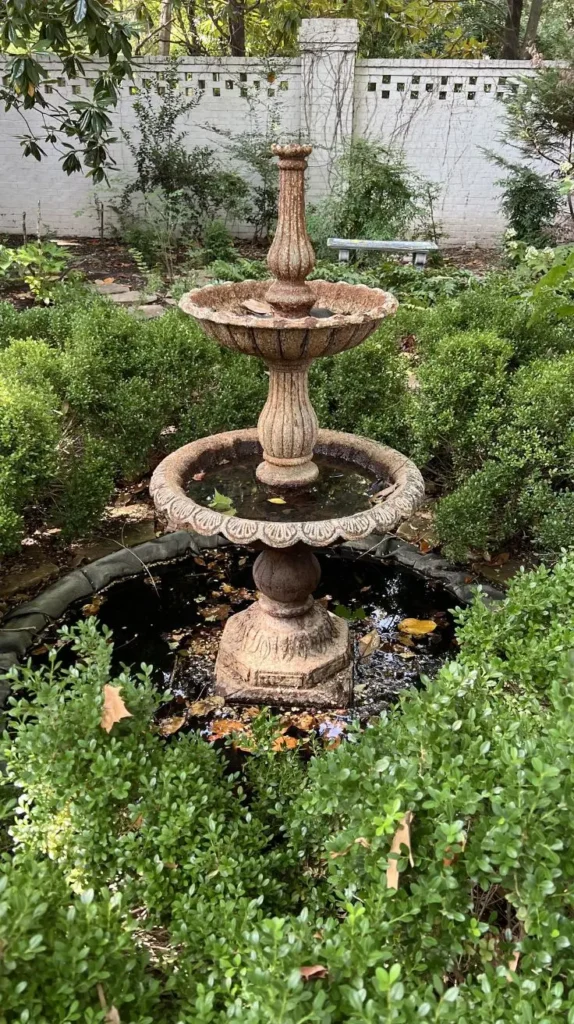
Water features play an important role in many historic European gardens. The gentle sound of flowing water creates a peaceful environment that encourages relaxation.
A stone fountain serves as both an architectural statement and a sensory experience. Traditional designs often feature carved details that add elegance and authenticity.
Even smaller patios can benefit from compact fountain installations. The soothing sounds help mask neighborhood noise and create a more tranquil setting.
Surround the fountain with potted plants and comfortable seating areas. This arrangement naturally encourages conversation and relaxation. The combination of moving water, greenery, and natural materials creates a courtyard atmosphere that feels timeless and refined.
Build Layers with European Garden Plants
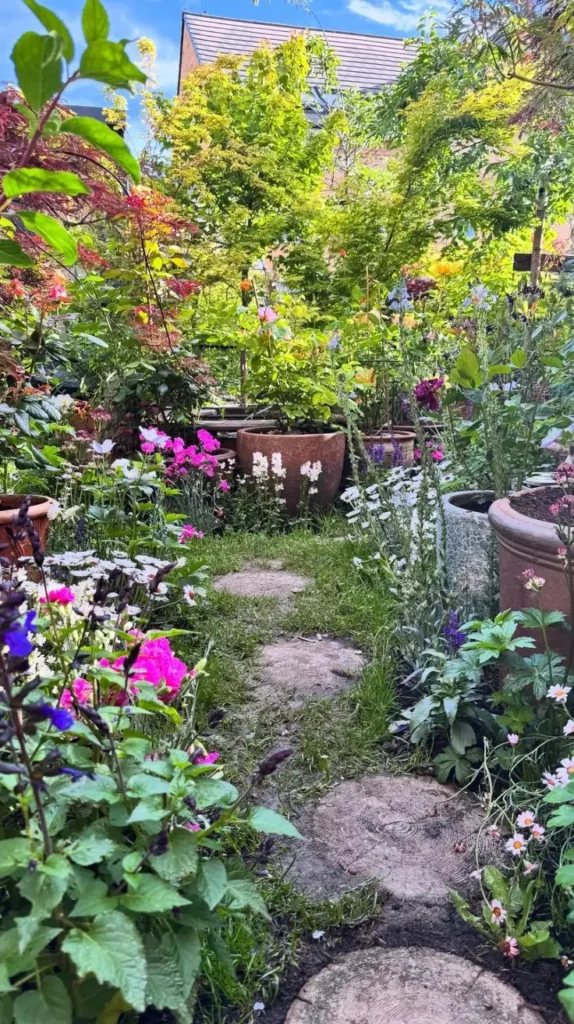
One reason European gardens feel so inviting is their abundance of layered greenery. Rather than relying on a few isolated plants, these spaces create depth through thoughtful planting. Start with structural plants such as boxwoods, cypress trees, or olive trees. These establish the framework of the landscape.
Next, add flowering plants like lavender, hydrangeas, roses, and geraniums. Their colors and fragrances bring life to the space. Ground covers and herbs help soften edges and connect different garden zones together.
This layered approach creates visual richness while maintaining a natural appearance. The result feels lush and established rather than newly planted. As the garden matures, the outdoor area gains even more character and beauty.
Choose Wrought Iron Details for Classic Elegance
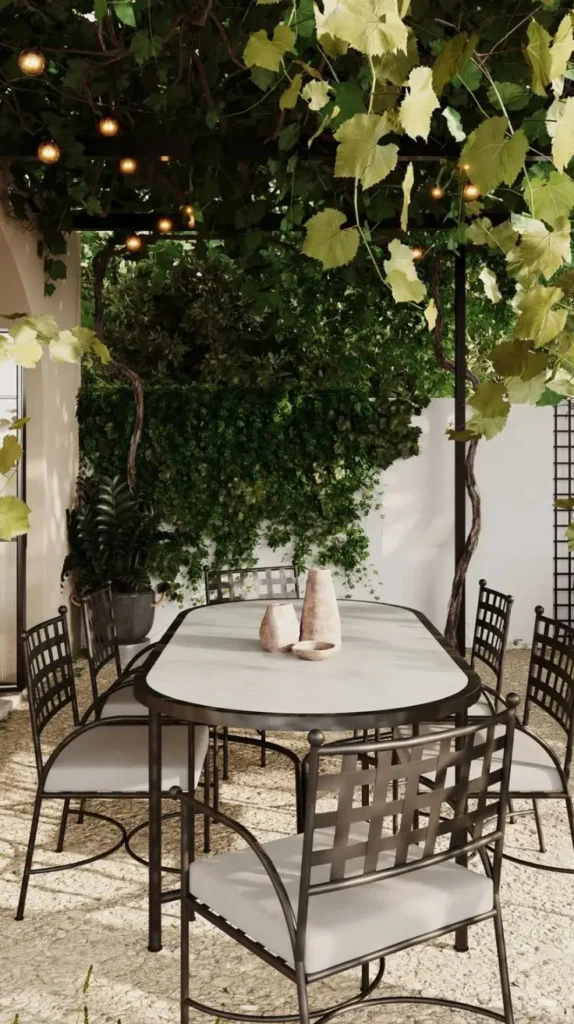
Wrought iron remains one of the defining features of European outdoor design. Its intricate craftsmanship adds sophistication without overwhelming the landscape.
Furniture, gates, railings, lanterns, and decorative accents all benefit from wrought iron construction. Black finishes pair beautifully with stone, terracotta, and greenery. The contrast helps architectural details stand out while maintaining a cohesive look.
Unlike many modern materials, wrought iron develops character over time. Small signs of aging often enhance its appeal rather than diminish it.
Mixing wrought iron furniture with soft cushions creates a balance between elegance and comfort. The result feels refined yet approachable. These classic details help establish an authentic European atmosphere that never goes out of style.
Create a Cozy Courtyard Lounge
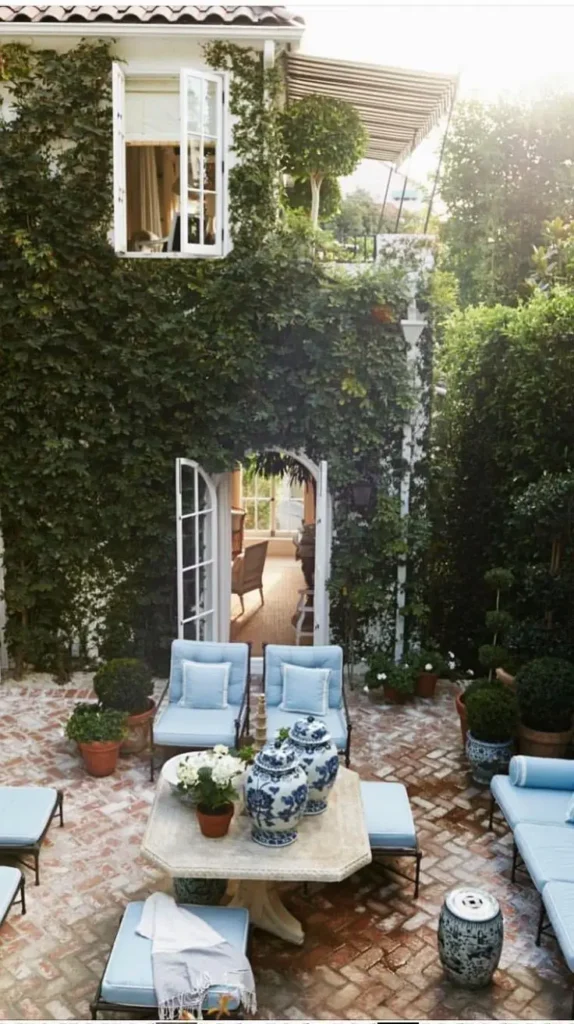
Many European homes feature intimate outdoor gathering areas designed for conversation and relaxation. Rather than filling every inch with furniture, these spaces focus on comfort and atmosphere.
Start with deep seating that encourages people to stay awhile. Weather-resistant sofas, cushioned chairs, and small side tables help create a welcoming environment. Arrange seating in a way that promotes interaction instead of facing everything toward a single focal point.
Natural materials work best. Stone walls, wooden accents, and textured fabrics add warmth and authenticity. Layering outdoor rugs and cushions introduces softness while making the space feel more like an extension of the home.
Greenery plays a major role in creating privacy and enclosure. Tall potted plants, climbing vines, and decorative hedges help define the lounge area without making it feel cramped. As evening approaches, candles and lanterns add a warm glow that transforms the atmosphere. The result is a courtyard-inspired retreat that feels peaceful, personal, and full of character.
Embrace Old-World Lighting
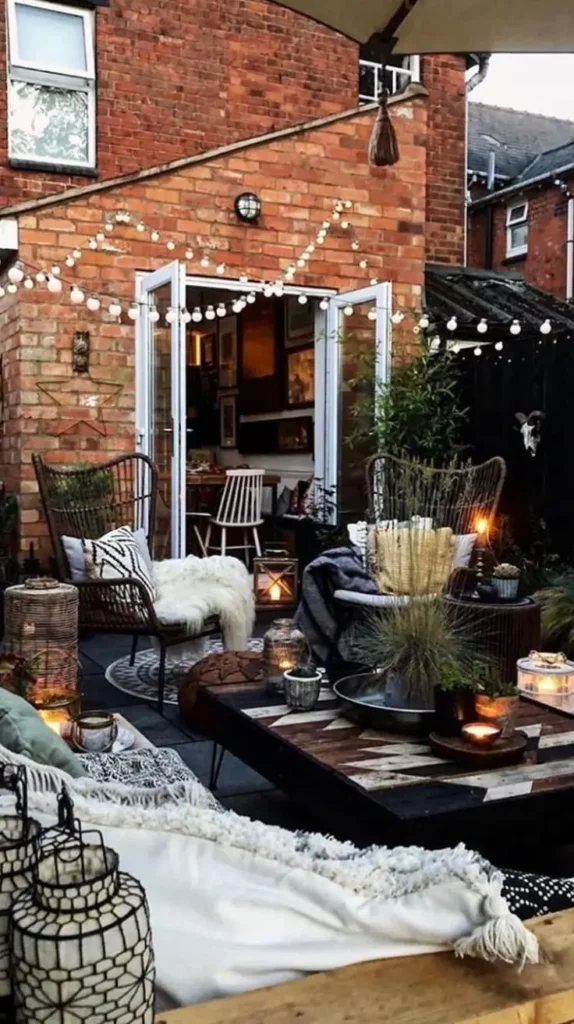
Lighting often determines how an outdoor space feels after sunset. European patios frequently rely on warm, subtle illumination rather than bright floodlights.
Wall-mounted lanterns, hanging fixtures, and decorative sconces create a timeless appearance while providing practical lighting. These fixtures often feature aged metal finishes that complement traditional architecture.
String lights can add charm when used thoughtfully. Draped across a pergola or woven through trees, they create a soft ambiance that encourages guests to linger longer. Candles remain one of the simplest ways to enhance the atmosphere. Grouping lanterns of different sizes creates visual interest and adds layers of light throughout the patio.
The goal is not to make the space overly bright. Instead, the lighting should create warmth, highlight architectural details, and establish a relaxing mood. A carefully lit patio feels magical after dark, revealing a completely different personality from its daytime appearance.
Add Natural Stone Walls and Garden Borders
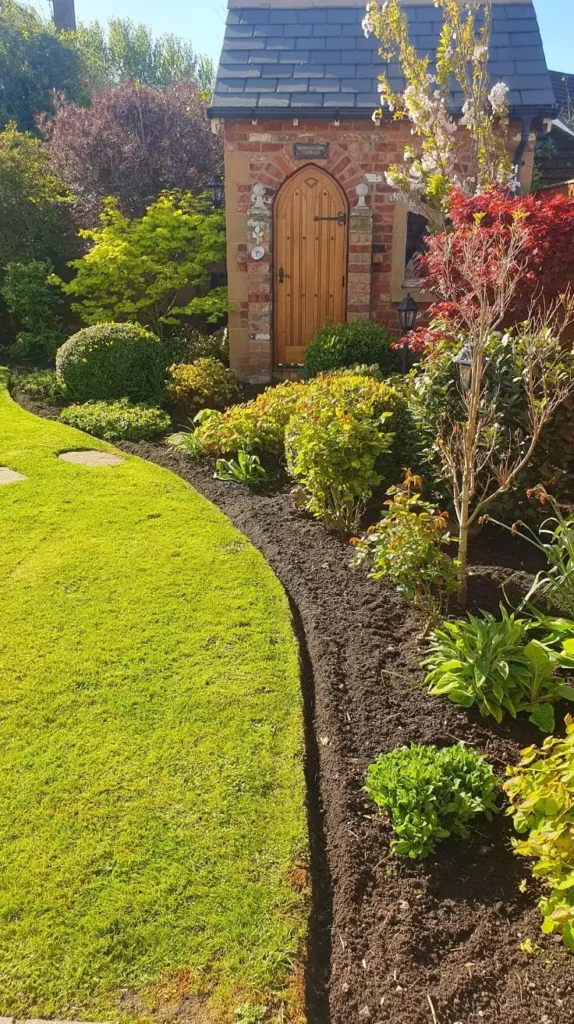
Stone walls have shaped European landscapes for centuries. From hillside villages in Italy to countryside estates in France, these structures provide both function and beauty.
Low stone walls can define outdoor rooms, separate garden beds, and create additional seating opportunities. Their natural texture introduces visual depth while helping the patio blend seamlessly into the landscape.
Retaining walls made from limestone, fieldstone, or stacked stone bring a sense of permanence that many modern materials struggle to achieve.
Garden borders constructed with stone help organize planting areas and create a polished appearance. They also provide a beautiful contrast against colorful flowers and lush greenery.
The beauty of stone walls lies in their timeless appeal. They appear as though they have always been part of the property, creating a sense of history and authenticity. Combined with mature landscaping and traditional furnishings, stone walls help establish the classic European garden aesthetic many homeowners admire.
Blend Indoor and Outdoor Living
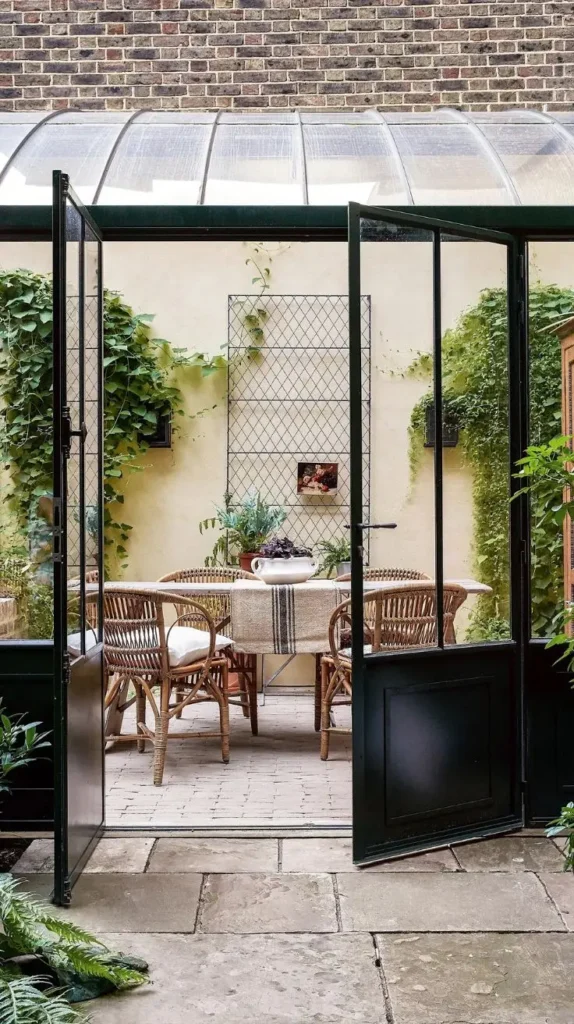
One of the most attractive qualities of European design is the seamless transition between indoor and outdoor spaces. Patios often feel like natural extensions of the home rather than separate areas.
Large French doors, folding glass panels, or wide openings encourage movement between the interior and exterior. Similar color palettes and materials strengthen this connection.
Outdoor kitchens, dining spaces, and comfortable lounges help create functional living areas beyond the home’s walls. Decorative accessories such as pillows, rugs, artwork, and planters further blur the distinction between indoors and outdoors.
The focus remains on creating an environment where daily life can naturally flow outside. Morning coffee, family dinners, casual conversations, and weekend gatherings all become more enjoyable when the patio feels integrated with the rest of the property. This design approach maximizes usable living space while enhancing the overall beauty and value of the home.
Essential Design Elements That Define European Outdoor Spaces
Successful European-inspired patios share several common characteristics regardless of their specific style.
Natural materials remain a consistent theme. Stone, wood, terracotta, wrought iron, and clay contribute warmth and authenticity while aging beautifully over time.
Comfort receives equal attention. Seating areas are designed for long conversations and relaxed afternoons rather than quick use. Cushions, shade structures, and thoughtful layouts encourage people to spend more time outdoors.
Gardens are integrated into the design rather than treated as separate features. Flowers, herbs, shrubs, and climbing plants soften hardscape surfaces and create a stronger connection to nature.
Attention to detail also plays an important role. Decorative lanterns, fountains, pottery, and architectural accents provide personality without creating clutter. These elements work together to produce outdoor spaces that feel welcoming, timeless, and effortlessly elegant.
How to Choose the Right Style for Your Home
Not every patio needs to replicate a specific European region. The most successful designs often borrow inspiration from multiple influences while remaining appropriate for the home’s architecture.
Homes with rustic architecture pair beautifully with Tuscan-inspired features such as stone flooring, terracotta pots, and wooden furniture.
Modern homes can incorporate European charm through minimalist courtyards, structured landscaping, and elegant outdoor dining spaces. Smaller patios may benefit from French courtyard influences that emphasize symmetry, vertical gardening, and compact furniture arrangements.
Larger properties can explore Mediterranean-inspired layouts featuring pergolas, fountains, extensive planting, and multiple outdoor rooms. The key is maintaining consistency. Choosing complementary materials, colors, and furnishings helps create a cohesive design that feels intentional rather than random.
Common Mistakes to Avoid
Creating a beautiful outdoor retreat does not require excessive decoration. In fact, one of the most common mistakes involves adding too many competing elements.
Overcrowding the patio with furniture can make the space feel smaller and less inviting. Leave enough open space for comfortable movement. Avoid using too many materials and colors. A restrained palette often creates a more sophisticated appearance.
Poor lighting can also diminish the overall effect. Layering multiple light sources generally produces a more comfortable atmosphere than relying on a single fixture.
Neglecting greenery is another frequent issue. Plants provide texture, color, fragrance, and softness that help balance stone and hardscape features. Finally, avoid chasing short-lived trends. European design remains appealing because it prioritizes timeless materials and classic principles rather than temporary fashions.
Final Thoughts
The beauty of European patio design lies in its ability to create spaces that feel welcoming, relaxed, and rich with character. From rustic stone surfaces and terracotta accents to elegant courtyards and vine-covered pergolas, each element contributes to an atmosphere that encourages people to slow down and enjoy outdoor living.
These twelve ideas demonstrate that creating a stunning patio does not require a massive budget or a complete backyard renovation. Thoughtful materials, comfortable furnishings, layered landscaping, and carefully chosen details can dramatically transform an ordinary outdoor area into a destination that feels inspired by the most beautiful gardens and courtyards across Europe.
A well-designed patio becomes more than just an outdoor feature. It becomes a place for morning sunlight, evening conversations, family gatherings, and peaceful moments surrounded by nature. By incorporating timeless European influences, any backyard can gain elegance, warmth, and enduring appeal that remains beautiful for years to come.

She has nearly 5 years of expertise in organic gardening, plant pests and diseases, landscape design, horticulture, and permaculture. She is a Master Gardener and Horticulturist.
She includes keywords and phrases that raise the content’s search engine ranking because she has a good grasp of SEO best practices.
- Room Color Combination Ideas to Create a Beautiful, Cozy, and Stylish Home - October 22, 2026
- Hall Colour Combination Ideas to Make Your Home Look Beautiful and Welcoming - October 21, 2026
- Red Christmas Tree Ideas to Make Your Home Feel Magical This Holiday Season - October 20, 2026