First Home Decor Ideas to Make Your New House Feel Warm, Stylish, and Inviting
Moving into a first home is an exciting milestone. Every empty wall, quiet corner, and bare room brings a chance to create something special. But decorating a new home can also feel overwhelming, especially when the rooms look plain and the budget cannot cover everything at once. The good news? A beautiful home does not require expensive furniture, designer accessories, or a complete makeover. With a few thoughtful choices, even the simplest space can become a warm and welcoming retreat.
The best first home decor ideas focus on comfort, personality, and practical living. From choosing cozy lighting and decorating blank walls to adding affordable accessories and creating beautiful storage, small changes can make a remarkable difference. The secret is knowing where to begin and how to make each purchase count.
These 12 decorating ideas offer inspiration for turning a first house or apartment into a home that feels personal, organized, and effortlessly stylish. Some projects are perfect for a weekend, while others can grow slowly as time and budget allow. And one simple decorating trick can make an inexpensive room look much more polished than expected.
Create a Cozy Living Room With Comfortable Furniture
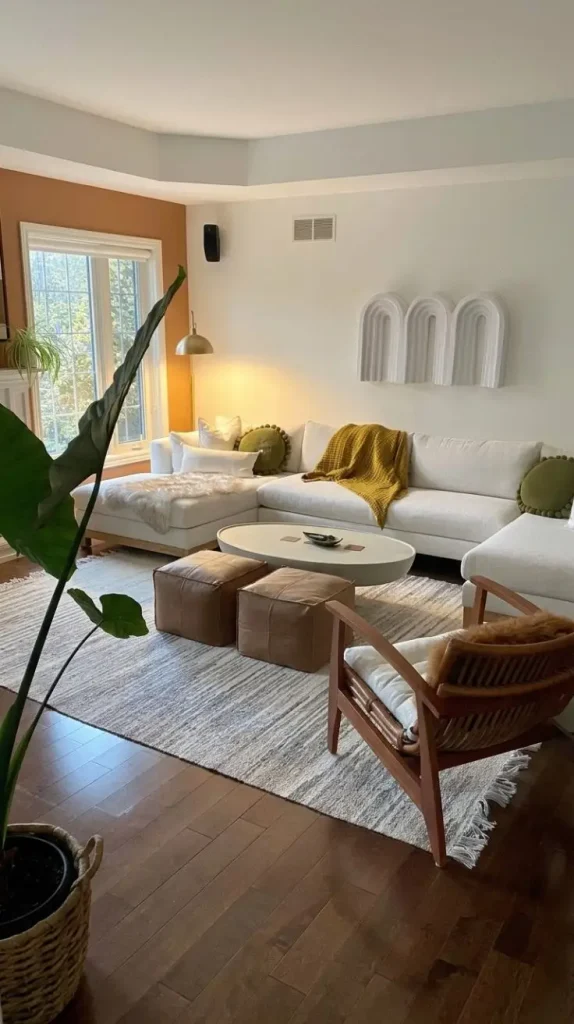
The living room often becomes the heart of a first home. It is where relaxing evenings, movie nights, friendly conversations, and lazy weekend mornings happen. Creating a comfortable space should be the first priority, even when the room is small or the furniture budget is limited.
Start with a sofa that fits the room without blocking walkways. Neutral colors such as beige, cream, gray, and warm brown provide a flexible foundation for different decorating styles. Add a soft throw blanket, a few textured cushions, and a small side table to make the seating area feel complete.
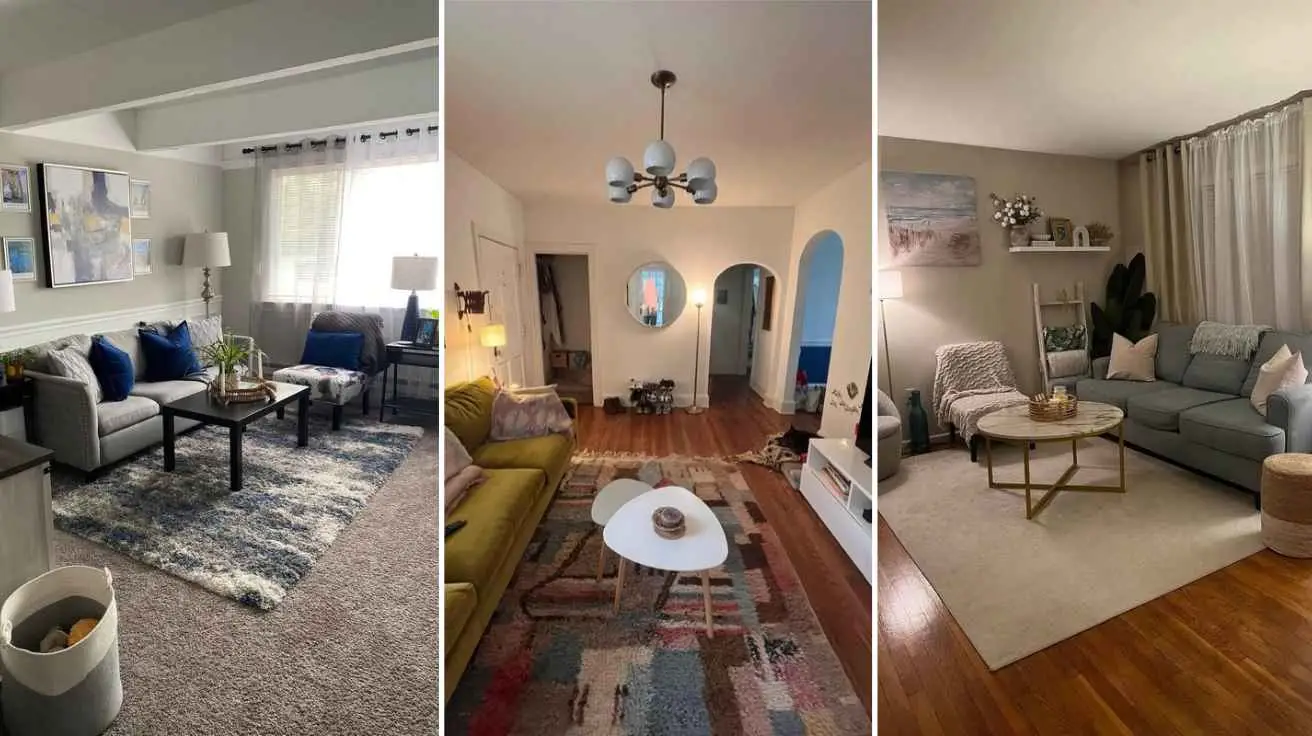
A well-chosen area rug can bring everything together. It adds warmth underfoot, introduces color, and helps define the living room in an open-plan apartment. For a coordinated look, choose a rug that complements the sofa while adding a little contrast.
There is no need to purchase every piece of furniture immediately. A comfortable sofa, a practical coffee table, and good lighting can create a lovely starting point. Additional seating, artwork, and decorative accessories can come later.
Decorate Blank Walls With Affordable Wall Art
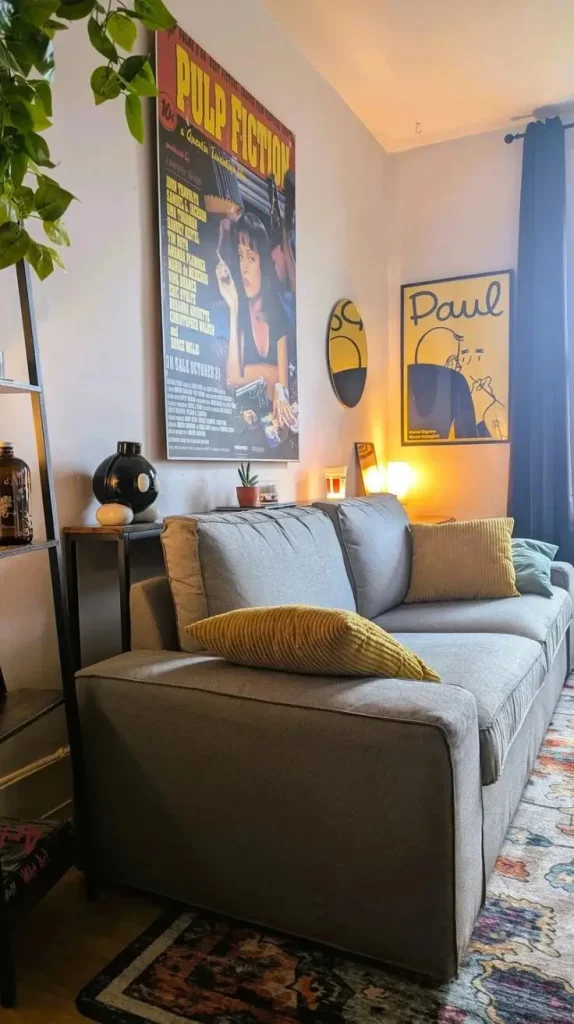
Bare walls can make a new home feel unfinished. Fortunately, wall art offers one of the easiest ways to introduce personality without spending a fortune. A few carefully selected pieces can change the entire mood of a room.
Framed prints, landscape paintings, abstract artwork, botanical illustrations, and personal photographs all work beautifully. Choose images that reflect the atmosphere you want to create. Soft landscapes and neutral prints suit a peaceful bedroom, while colorful artwork can bring energy to a living room or dining area.
A gallery wall is another attractive option. Combine different frame sizes while keeping a consistent color palette to maintain a balanced appearance. Black frames create a modern look, natural wood adds warmth, and white frames suit bright, airy interiors.
For a more affordable approach, print downloadable artwork and place it inside inexpensive frames. Personal photographs from meaningful occasions can also become beautiful decorations. These small details give a home a story rather than making it look like a furniture showroom.
Use Warm Lighting to Transform Every Room
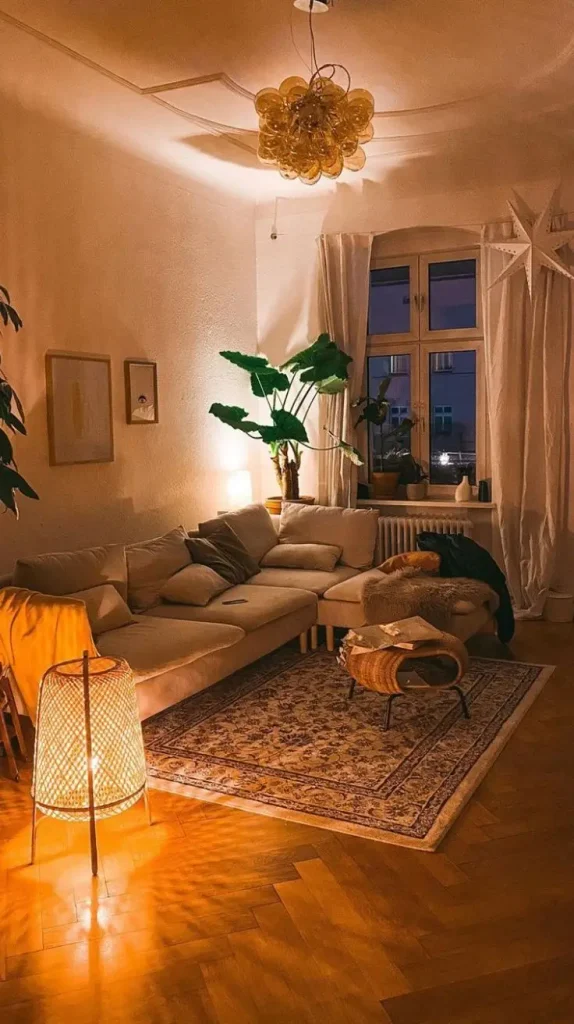
Lighting has a powerful effect on how a home feels. Bright overhead lights may be useful for everyday tasks, but they can make a room feel flat or harsh when the evening arrives. Warm, layered lighting creates a much more inviting atmosphere.
Begin with the lighting already available, then add table lamps, floor lamps, or wall lights where needed. A small lamp beside the sofa creates a comfortable reading corner, while bedside lamps make the bedroom feel peaceful and relaxing.
Warm-white bulbs generally work well in living rooms and bedrooms. For kitchens, bathrooms, and work areas, choose lighting that provides enough brightness for cooking, grooming, and other practical tasks. The right balance depends on the purpose of each room.
Decorative lamps can also act as design features. A ceramic table lamp adds texture, a simple black floor lamp suits modern interiors, and a woven shade creates a relaxed natural look.
If the home has windows that receive good daylight, avoid blocking them with heavy curtains during the day. Sheer curtains allow sunlight to filter through while offering a softer, more finished appearance.
Add Indoor Plants for a Fresh, Natural Touch
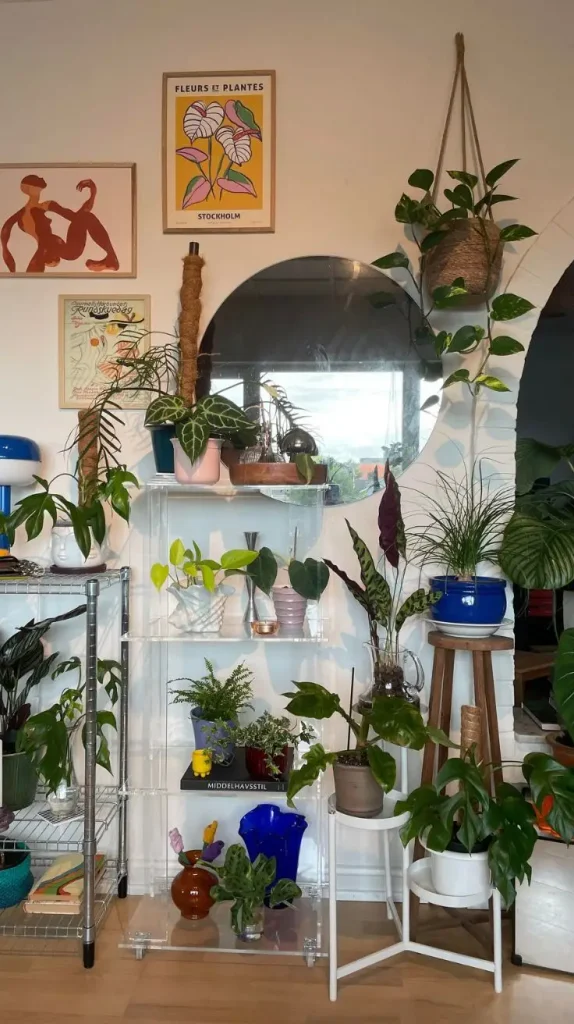
Indoor plants bring color, texture, and life into a new home. Their green leaves soften hard furniture edges and make plain rooms feel more connected to nature. Even one healthy plant can become a lovely focal point.
For beginners, choose plants according to the natural light available. Snake plants and ZZ plants are popular choices because they tolerate relatively low indoor light, although they still need suitable conditions to thrive. Pothos works well in hanging planters or on shelves, where its trailing vines create a relaxed appearance.
Place a medium-sized plant beside a sofa, a small plant on a bookshelf, or a hanging planter near a bright window. Grouping two or three plants at different heights creates a more natural arrangement than lining identical pots along one surface.
Planters deserve attention, too. Terracotta pots create a warm, earthy look, while white ceramic containers suit a clean, modern home. Woven baskets can disguise ordinary nursery pots when used with a suitable waterproof liner.
Choose a Simple Color Palette for a Harmonious Home
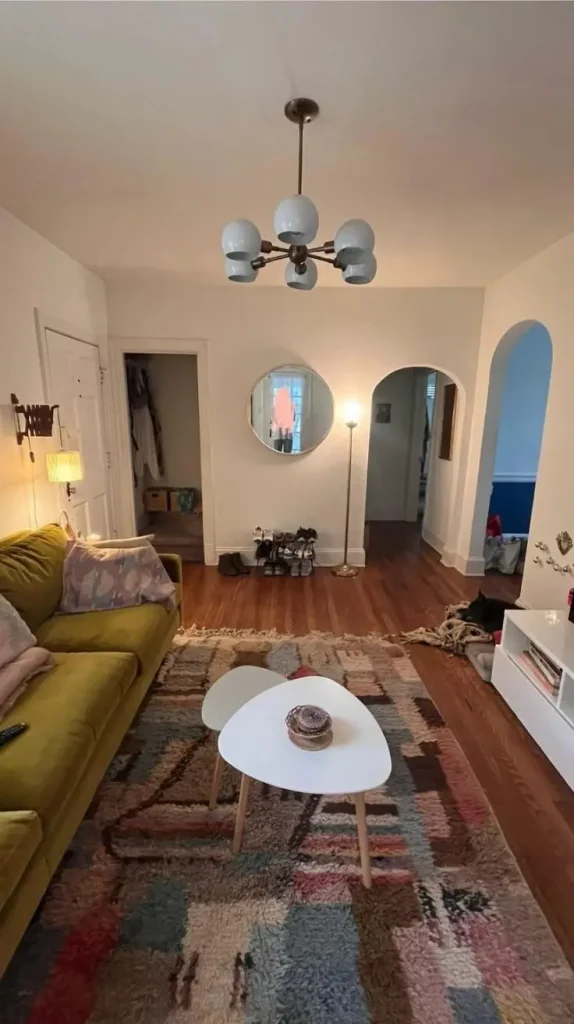
One of the easiest ways to make a first home look thoughtfully decorated is to choose a consistent color palette. Without a clear plan, rooms can become crowded with unrelated colors, patterns, and accessories. A coordinated palette creates a sense of flow from one space to another.
Begin with a base color for larger elements such as walls, sofas, curtains, and rugs. Cream, warm white, greige, and soft beige are versatile options that work with many interior styles. Then introduce one or two accent colors through cushions, artwork, bedding, and decorative objects.
For example, a cream and sage-green palette feels fresh and peaceful. Navy blue paired with warm wood creates a more traditional atmosphere, while terracotta and beige bring an earthy, relaxed quality to a room.
Using the same accent color in different rooms can also make a small house feel more connected. A green cushion in the living room might complement green towels in the bathroom or a plant-filled kitchen shelf.
Make a Small Bedroom Feel Like a Peaceful Retreat
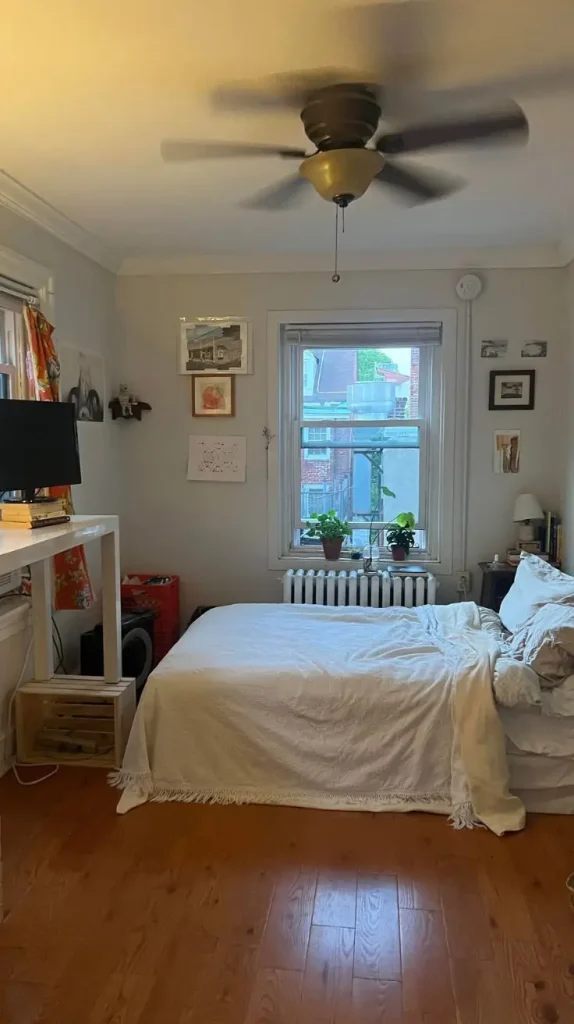
The bedroom should feel comfortable, restful, and personal. In a first home, it is tempting to focus on the living room first, but a well-organized bedroom can improve everyday comfort from the beginning.
Start with the bed because it usually occupies the largest part of the room. Simple bedding in white, cream, or soft neutral shades creates a clean foundation. Add a textured blanket and two or three coordinating pillows for a layered appearance without overcrowding the bed.
If the bedroom feels empty, place a small bedside table beside the bed and add a lamp, a book, or a small decorative tray. Matching nightstands are not essential. Different pieces can work beautifully when they share similar colors or proportions.
Curtains also influence the mood. Floor-length curtains can make ceilings appear taller, while blackout curtains help reduce unwanted light for sleeping. Choose the style according to the room’s practical needs.
Style a Coffee Table With Everyday Decorative Pieces
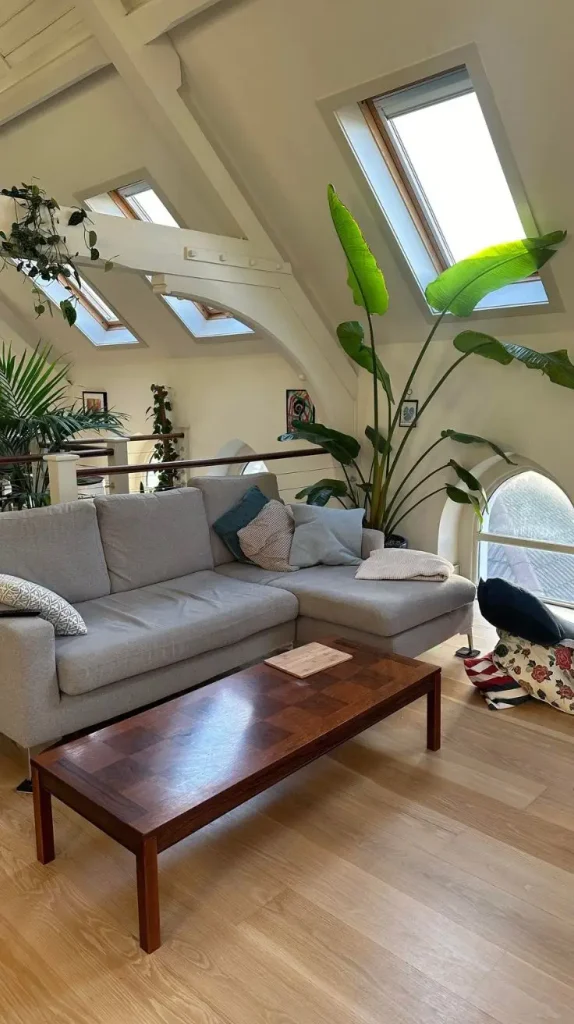
A coffee table can become a small but attractive centerpiece in the living room. Styling it well helps the entire seating area look more finished, even when the rest of the furniture is simple.
Start with a tray to group smaller objects together. Add a stack of two or three books, a small vase, and one decorative item such as a candleholder or ceramic sculpture. This arrangement creates structure without taking up every inch of the tabletop.
Varying heights makes the display more interesting. A short bowl beside a taller vase creates contrast, while natural materials such as wood, glass, and stone add texture. Fresh flowers can bring seasonal color, but dried flowers or a small branch arrangement provide a longer-lasting alternative.
Practicality should remain part of the design. Leave enough open space for drinks, snacks, and everyday use. A beautiful coffee table becomes frustrating when there is nowhere to put a cup.
Read – Coffee Table Decor
Create a Welcoming Entryway With Smart Storage
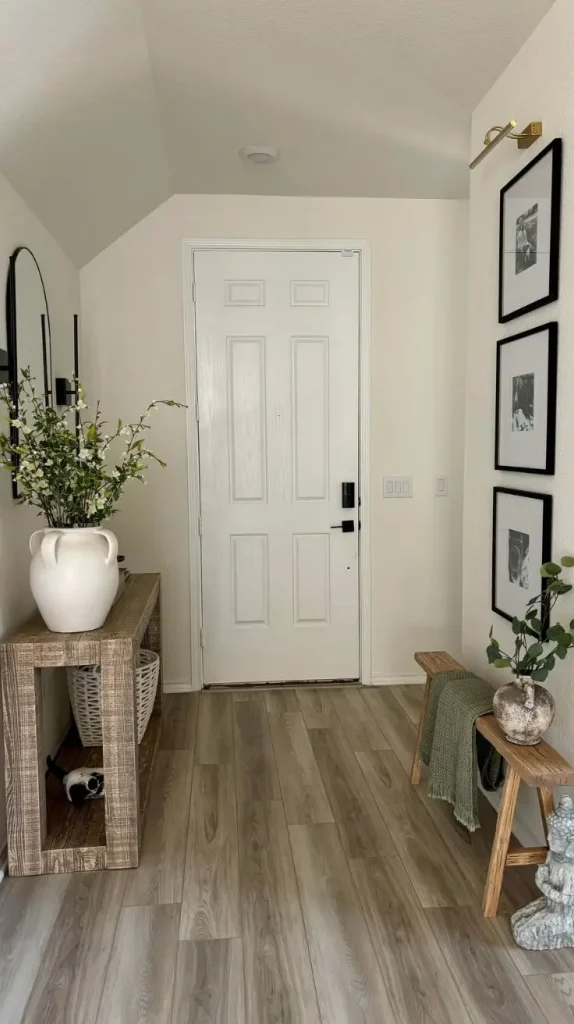
The entryway creates the first impression of a home. Even a narrow hallway can feel organized and welcoming with a few practical additions.
A small console table provides a place for keys, mail, and everyday essentials. If floor space is limited, a narrow shelf or wall-mounted organizer can serve the same purpose. Add a small bowl for loose items and a mirror to reflect light and make the entrance feel more open.
Shoes often create clutter near the front door. A compact shoe rack, closed shoe cabinet, or woven storage basket keeps footwear organized and makes cleaning easier. Wall hooks provide convenient storage for coats, bags, hats, and reusable shopping bags.
A washable runner can introduce color and texture while protecting the floor from everyday dirt. Choose a pattern that hides small marks and complements the surrounding colors. If space allows, a small plant or framed print adds personality. However, avoid placing too many decorative pieces near the door because this area needs to remain easy to move through.
Upgrade Your Kitchen With Simple Decorative Details
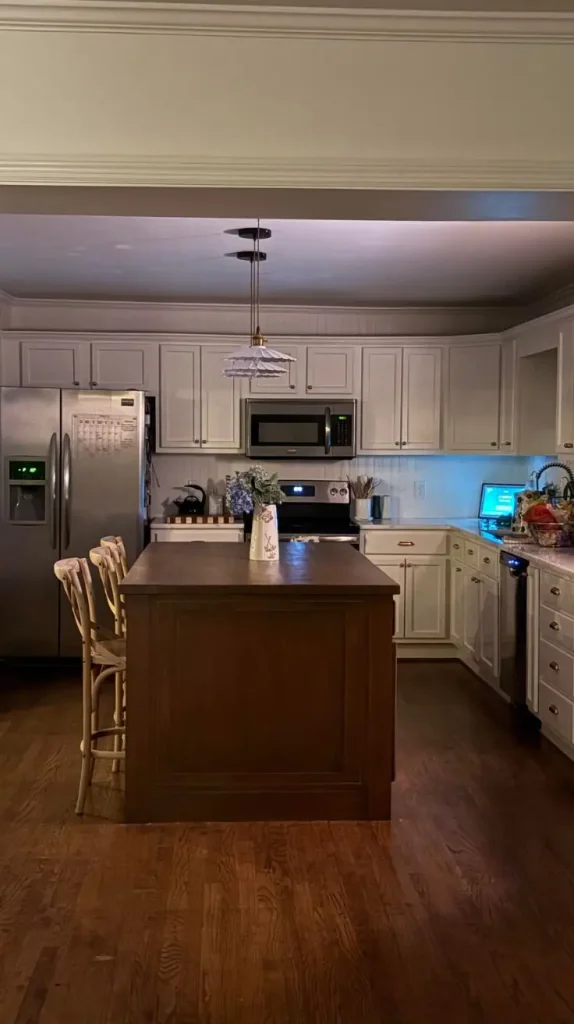
A first home’s kitchen does not need expensive renovations to look attractive. Small changes to storage, textiles, and countertop styling can make the space feel cleaner and more welcoming. Start by clearing unnecessary items from the countertops. Keep frequently used appliances accessible, but store occasional-use equipment in cabinets when possible. An uncluttered surface creates a more spacious appearance and provides room for food preparation.
Matching storage containers can make everyday ingredients look organized. Glass jars work well for pasta, rice, coffee, and other dry goods, while simple baskets can hold snacks or kitchen linens. Add labels when necessary to make items easy to identify.
A wooden cutting board, a bowl of fresh fruit, or a small herb planter can introduce warmth without creating unnecessary clutter. Dish towels in complementary colors offer another affordable way to refresh the room.
If the kitchen has open shelves, arrange everyday dishes alongside a few attractive bowls or mugs. Leave some empty space between groups of objects to avoid an overcrowded appearance. Renters can also consider removable backsplash coverings or cabinet hardware changes when permitted by their lease. Always check the manufacturer’s instructions and property rules before making alterations.
Add Mirrors to Make Rooms Feel Brighter and Larger
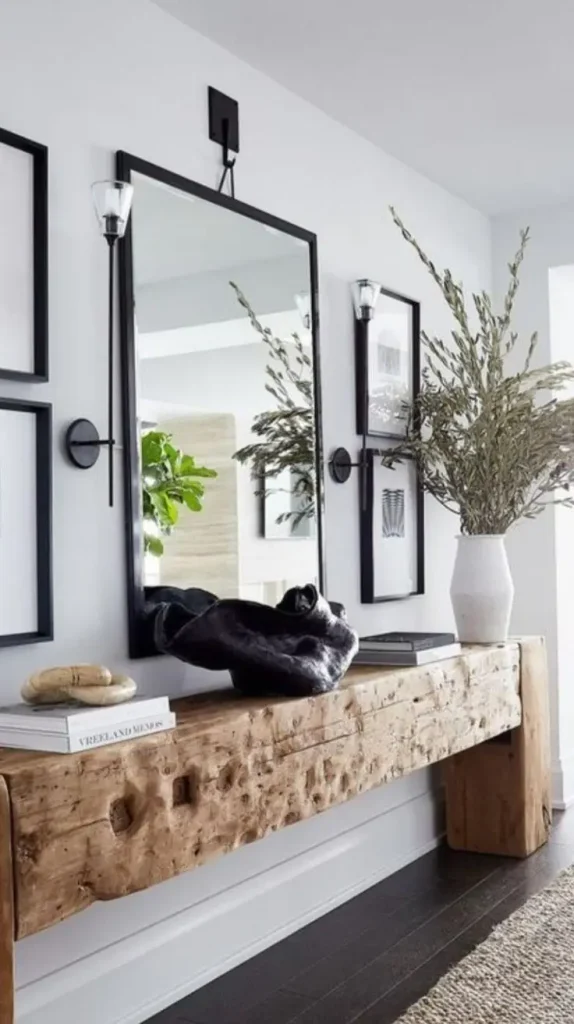
Mirrors are useful decorative features, particularly in smaller homes and apartments. They reflect light, introduce visual depth, and can make a narrow room feel more open.
A large mirror above a console table creates an attractive entryway arrangement. In the living room, a floor mirror leaning securely against a wall can add height and become a striking focal point. Smaller mirrors work well in bedrooms, bathrooms, and narrow hallways.
Frame style influences the overall look. A round mirror with a natural wood frame suits a relaxed interior, while a thin black frame creates a more contemporary appearance. Ornate gold frames can add a traditional or glamorous touch.
Placement is important. Position a mirror where it reflects daylight, a pleasant view, or an attractive part of the room. Reflecting a cluttered corner may make the space feel busier instead of brighter.
Bring Personality Into Your Home With Textiles
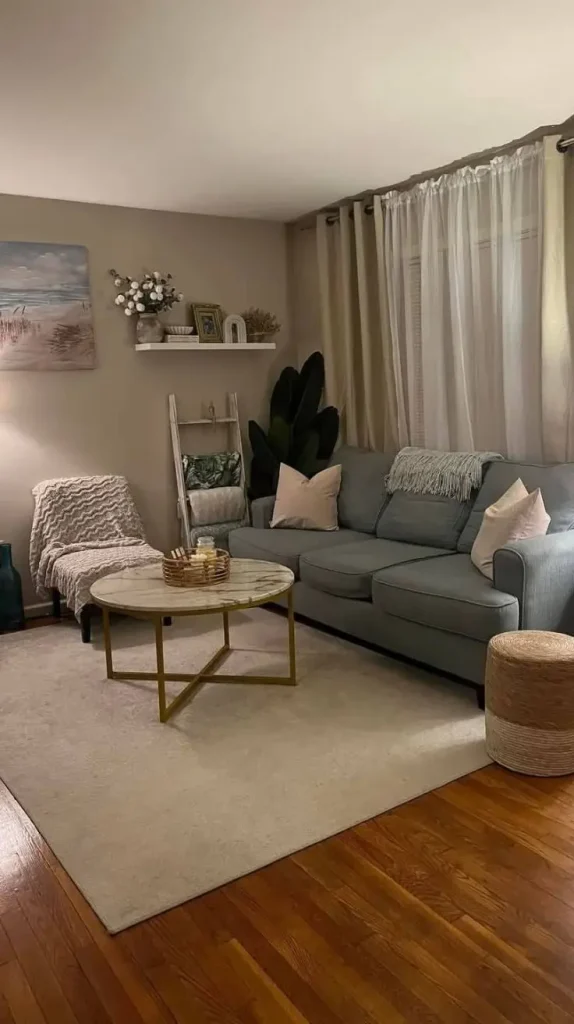
Textiles are among the easiest ways to make a first home feel personal and comfortable. Cushions, blankets, curtains, rugs, and bedding soften hard surfaces while introducing color and texture.
The key is to mix materials thoughtfully. Combine cotton cushions with a knitted throw, linen curtains with wooden furniture, or a textured rug with a simple sofa. These combinations create visual interest without requiring complicated decorating skills.
Patterns can also make a room feel lively. Stripes, small florals, geometric prints, and subtle checks work well when they share at least one color. If the room already contains patterned wallpaper or a bold rug, choose simpler textiles to keep the overall appearance balanced.
Seasonal changes offer an easy way to refresh the home. Lightweight cotton covers and lighter colors work well during warmer months, while thicker blankets and deeper shades can make cooler evenings feel cozy.
Personalize Your Space With Meaningful Decorations
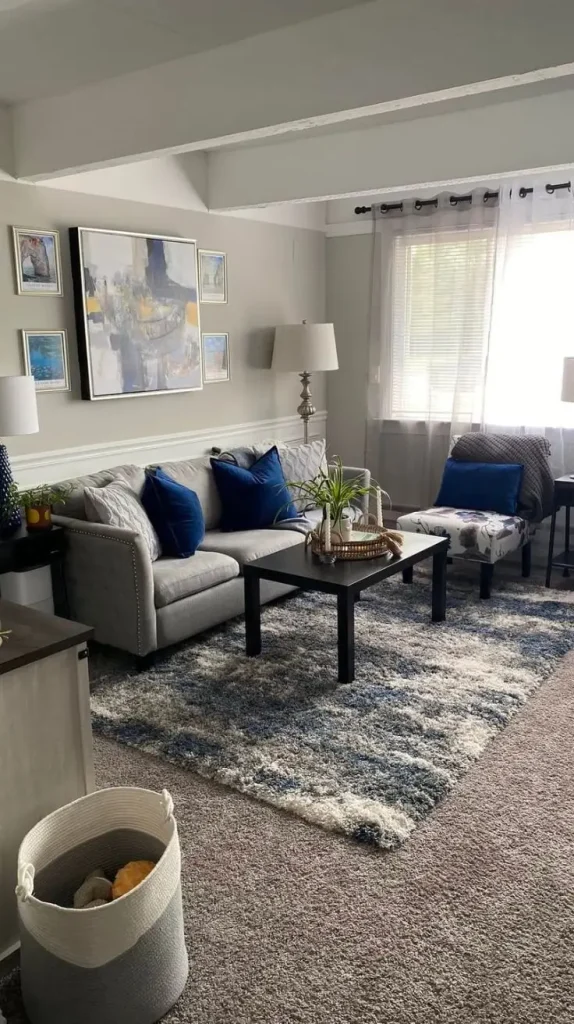
The final step is making the home feel like it belongs to the people who live there. A room can have beautiful furniture and coordinated colors yet still feel impersonal if every object looks newly purchased and carefully staged.
Personal decorations add warmth and character. Display framed family photographs, souvenirs from meaningful trips, handmade crafts, favorite books, or artwork created by someone special. These items do more than fill empty surfaces; they give visitors a glimpse into the stories and interests behind the home.
Create a small memory shelf with a few photographs, a meaningful keepsake, and a decorative object. In the living room, a bookshelf can combine novels, plants, framed prints, and storage baskets. In the bedroom, a favorite piece of artwork or a handmade blanket can make the space feel especially comforting. Avoid displaying every treasured item at once. Rotating decorations allows favorite pieces to stand out while keeping shelves and tabletops organized.
Thrift stores, flea markets, and secondhand furniture shops can be excellent places to discover unique accessories. An older wooden stool, vintage frame, or handmade ceramic vase may bring more character than a collection of mass-produced decorations.
Common First Home Decorating Mistakes to Avoid
A few small mistakes can make decorating more expensive and frustrating than necessary. Being aware of them early can help create a more functional and attractive home.
- Buying everything at once: Rushing to furnish every room can lead to purchases that do not fit the space or suit everyday needs. Live with the layout for a little while before buying additional pieces.
- Ignoring measurements: Always measure furniture, doorways, and available floor space before ordering large items. A sofa that looks perfect online may overwhelm a small living room.
- Choosing style over comfort: Attractive furniture should still support daily activities. Consider seating comfort, cleaning requirements, and durability before making a purchase.
- Overdecorating surfaces: Too many accessories can make rooms feel crowded. Leave some open space on shelves, counters, and tables.
- Following every trend: Trends change quickly, but furniture and home accessories can remain in use for years. Choose a timeless foundation and introduce fashionable colors through affordable accents.
- Forgetting storage: Everyday belongings need practical places to go. Baskets, hooks, drawers, and shelves help maintain a neat appearance without constant effort.
Read

She has nearly 5 years of expertise in organic gardening, plant pests and diseases, landscape design, horticulture, and permaculture. She is a Master Gardener and Horticulturist.
She includes keywords and phrases that raise the content’s search engine ranking because she has a good grasp of SEO best practices.
- First Home Decor Ideas to Make Your New House Feel Warm, Stylish, and Inviting - October 14, 2026
- Closet Inspo Ideas to Create a Beautiful, Organized, and Stylish Space - October 11, 2026
- Sofa Design Ideas to Transform Your Living Room - October 11, 2026