Front Yard Garden Ideas to Transform Your Home’s Curb Appeal
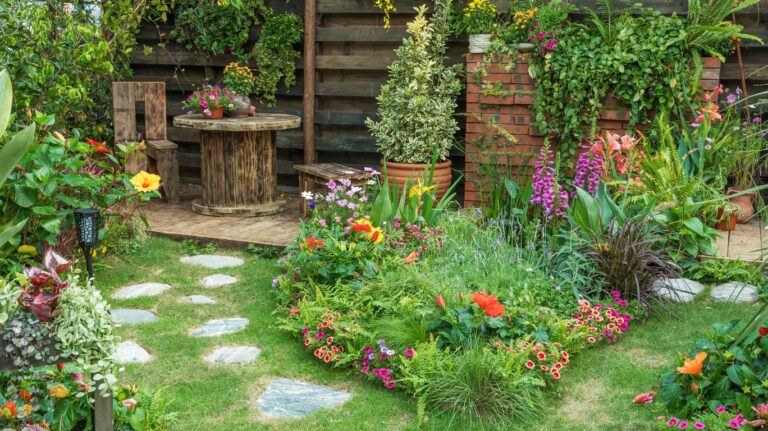
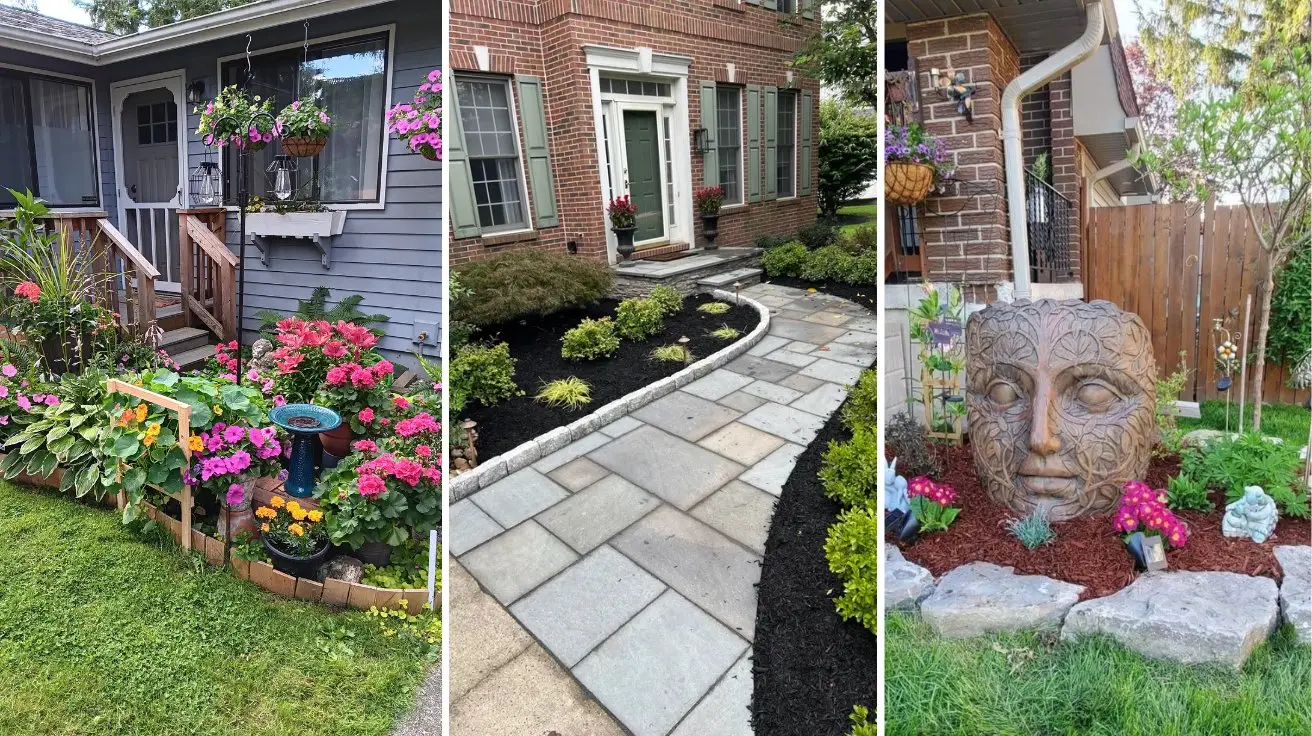
The front yard is the first thing people notice about a home. A beautiful garden can instantly uplift the entire look of a house, creating a welcoming atmosphere while showcasing creativity and personality. A thoughtfully designed front yard doesn’t just serve as an aesthetic feature, it’s also a space where nature meets personal style, where colors, textures, and greenery combine to create a living masterpiece. For anyone wanting to breathe new life into their outdoor space, these 15 front yard garden ideas offer a roadmap for turning plain patches of land into stunning, memorable gardens.
Each idea has been carefully selected to cater to different tastes and practicalities. From lush flower beds and stone pathways to modern minimalistic arrangements and cozy seating areas, these concepts are designed to inspire homeowners of all skill levels. The following ideas are easy to implement, budget-friendly, and guaranteed to transform the ordinary into the extraordinary.
Colorful Flower Beds for a Vibrant Entrance
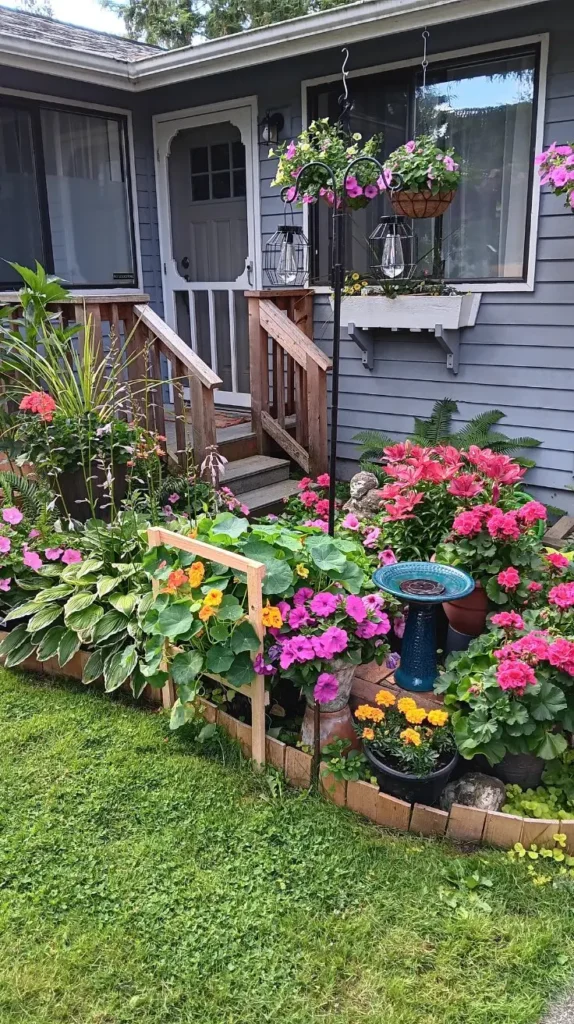
Flower beds are one of the most visually striking elements in any front yard garden. They not only bring bright colors and delightful fragrances but also set the mood for the entire outdoor space. Layering plants of varying heights, textures, and seasonal colors creates a dynamic effect that draws attention and adds depth to the garden.
Perennials like black-eyed Susans, coneflowers, and lavender provide blooms year after year, while annuals such as petunias, marigolds, and tulips offer seasonal splashes of vibrancy. Arranging plants in clusters rather than straight lines creates a more natural, appealing look. Combining shrubs with flowers adds texture and contrast, enhancing visual interest.
Adding mulch or decorative stones around the flower beds not only keeps them neat but also helps retain moisture, reducing maintenance. Flower beds also attract pollinators like bees and butterflies, which adds life and energy to the garden. With careful planning, flower beds can transform a simple yard into a lively, inviting entrance that feels full of color and charm.
Stone Pathways to Add Structure and Charm
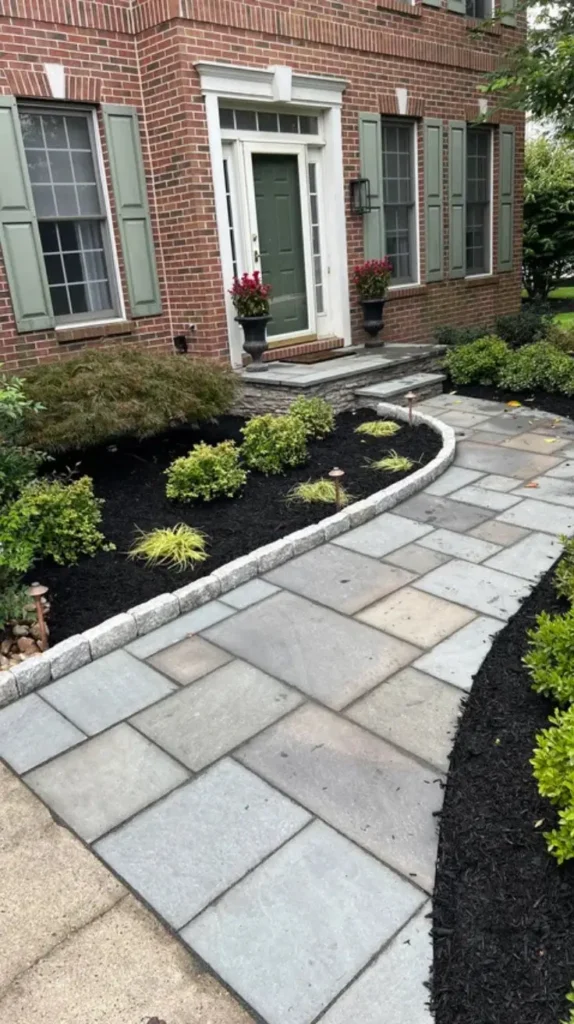
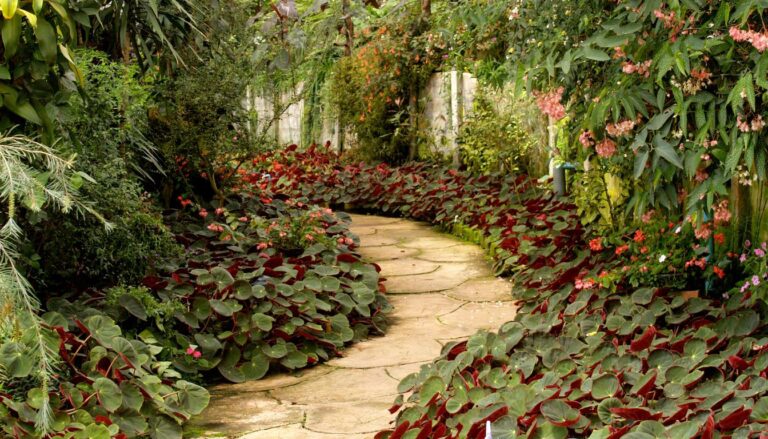
Stone pathways do more than just guide visitors; they serve as functional art in a front yard garden. Whether made from natural stone, brick, or gravel, a well-designed pathway creates movement, highlights focal points, and adds personality. Curved paths give a soft, organic feel, while straight paths offer a clean, modern aesthetic.
Combining different shapes and sizes of stones can create unique patterns that add visual interest. Edging the path with low plants, flowers, or ground cover softens the hardscape and integrates it with surrounding greenery. Lighting along pathways improves safety while adding nighttime charm, with options like solar lamps, lanterns, or string lights enhancing the ambiance.
Stone pathways are practical as they reduce lawn wear and guide foot traffic away from delicate plants. Over time, moss, creeping thyme, or small ground cover plants can grow between stones, adding character and a sense of age to the garden. A pathway is not just a route; it’s a feature that invites exploration and provides structure to the overall landscape design.
Read – Easy and Cheap Walkway Ideas
Lush Green Lawns for a Classic Look
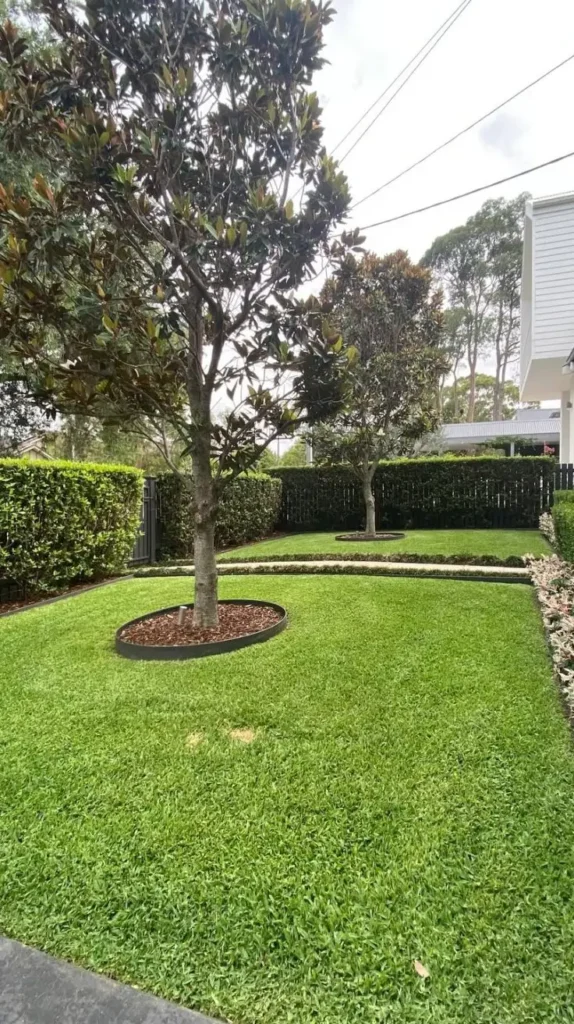
A lush, green lawn serves as the perfect foundation for any front yard garden. It provides open space for outdoor activities, acts as a backdrop for flowers and shrubs, and offers a clean, polished look that enhances curb appeal. Selecting the right grass type for the climate is critical; cool-season grasses like Kentucky bluegrass and fescue thrive in northern climates, while warm-season grasses such as Bermuda and zoysia perform well in southern regions.
Regular mowing, fertilization, and watering keep the lawn healthy and dense, creating a soft, inviting space. Lawns can be shaped with curved or geometric borders, integrating them seamlessly with flower beds, trees, and pathways. Adding ornamental edging or planting low-growing border plants helps define spaces, making the lawn appear organized and intentional.
In addition to aesthetics, a healthy lawn provides environmental benefits such as reducing dust, filtering rainwater, and moderating outdoor temperatures. A green, thriving lawn immediately elevates the appeal of a home while serving as a versatile canvas for further landscaping creativity.
Ornamental Trees for Height and Drama
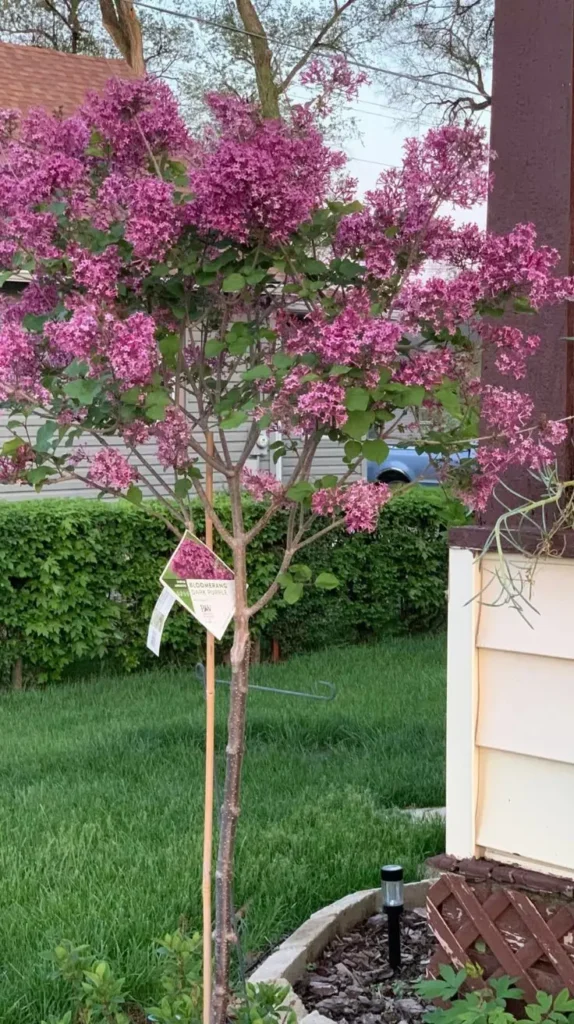
Ornamental trees bring instant elegance and structure to any front yard garden. Trees such as Japanese maples, dogwoods, and flowering cherries provide seasonal color, unique foliage, and a sense of verticality that balances lower plants. Strategically placing a tree near the entrance or at a yard corner can guide the eye, create natural focal points, and enhance the overall composition.
Small ornamental trees are ideal for compact yards, while larger varieties add grandeur to spacious landscapes. Flowering trees provide vibrant blooms in spring, while colorful autumn foliage offers visual interest in the fall. Beyond aesthetics, trees contribute environmental benefits by providing shade, attracting birds, and improving air quality.
Proper maintenance, including pruning and watering, ensures they remain healthy and attractive over the years. Integrating ornamental trees into the design not only creates height and drama but also anchors the garden, giving it a more cohesive and polished appearance.
Decorative Shrubs for Texture and Privacy
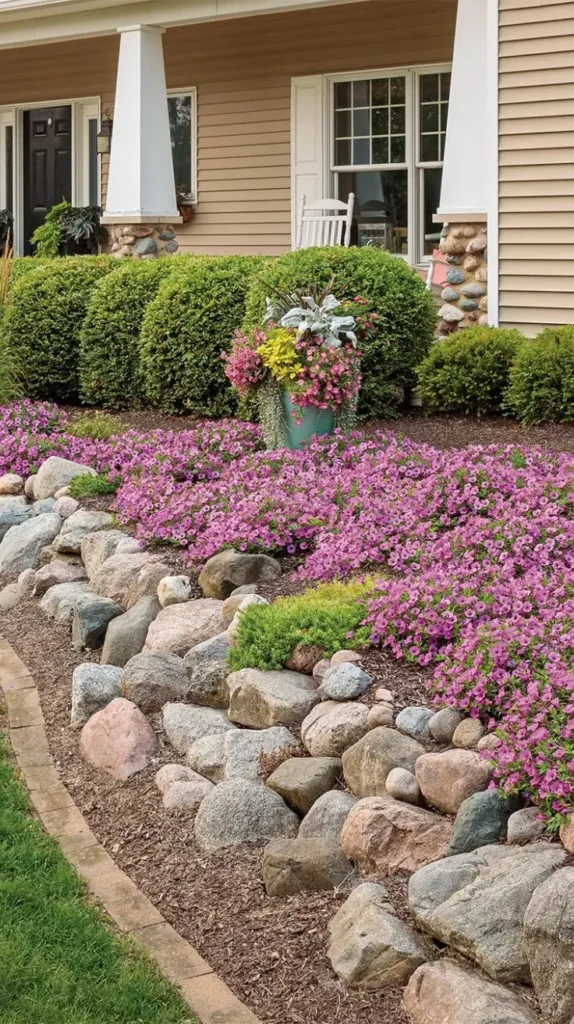
Shrubs are a versatile tool for adding texture, color, and dimension to a front yard garden. They can define spaces, serve as privacy screens, and complement flowers or trees. Evergreen shrubs provide year-round greenery, while flowering varieties like hydrangeas, azaleas, and viburnums add seasonal interest.
Planting shrubs in clusters or along borders creates structure and makes the garden feel layered. They can be trimmed into formal shapes or allowed to grow naturally, depending on the desired style. Ornamental grasses and low-growing shrubs can fill in gaps, add texture, and soften hard edges.
Shrubs are also environmentally beneficial, providing habitats for birds, bees, and other pollinators while preventing soil erosion. Combining different sizes, shapes, and colors creates visual variety, ensuring the garden feels lively and dynamic. Decorative shrubs enhance both beauty and function, making the front yard more welcoming and visually engaging.
Rock Gardens for a Low-Maintenance Focal Point
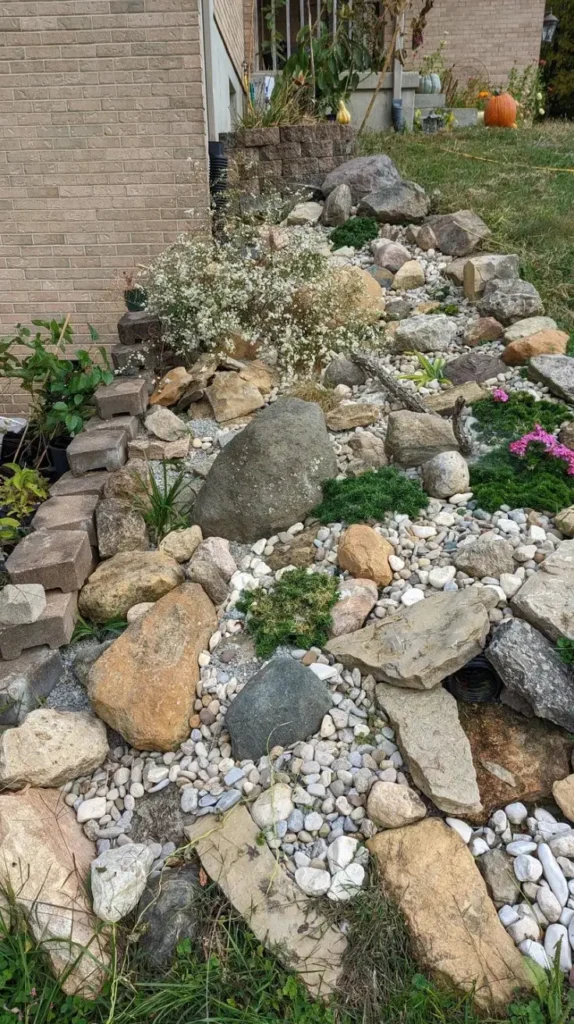
Rock gardens are an excellent way to introduce texture, contrast, and low-maintenance beauty into a front yard. They work perfectly in areas with poor soil, sloped landscapes, or sections that need visual interest without heavy upkeep. Combining stones, gravel, and boulders with drought-resistant plants like succulents, sedums, and ornamental grasses creates a naturalistic and artistic look.
The rocks not only serve as decorative elements but also help retain soil moisture and prevent erosion. Arranging stones in layers, sizes, and colors can create depth and focal points, making the garden appear larger and more dynamic. Small water features or statues can be added to enhance interest, while moss or creeping thyme growing between rocks adds charm over time.
Rock gardens also attract pollinators and provide habitats for small wildlife. This approach is ideal for homeowners seeking a striking, sustainable, and practical front yard design that requires minimal effort yet offers maximum visual impact.
Raised Garden Beds for Easy Gardening
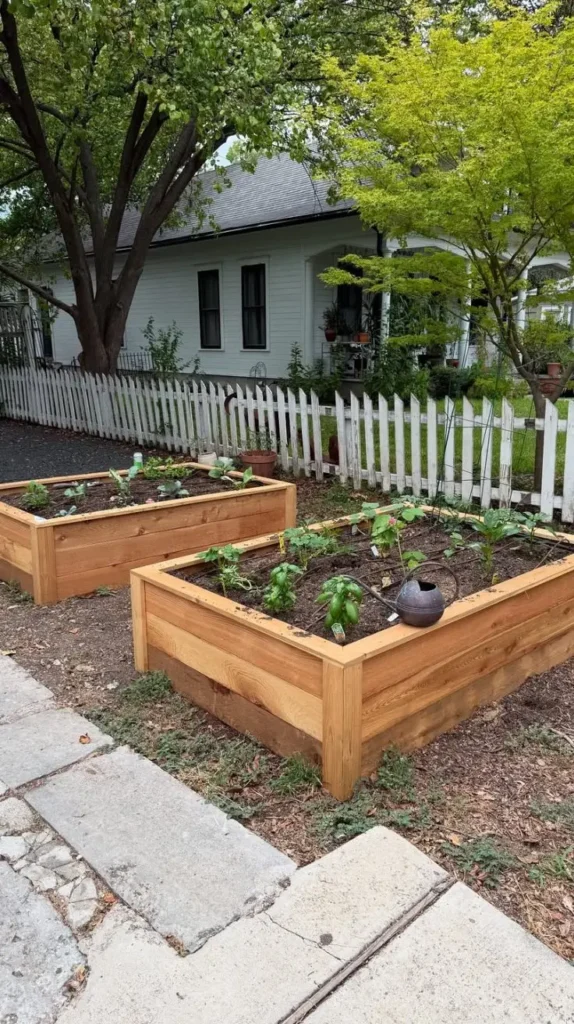
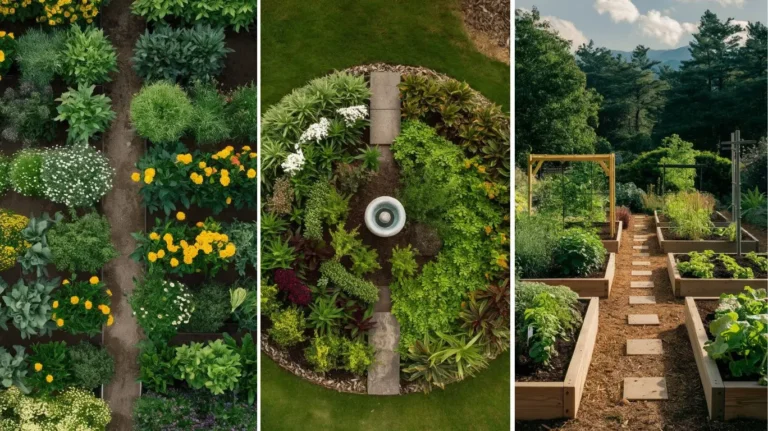
Raised garden beds are a versatile and practical addition to any front yard. They allow homeowners to control soil quality, improve drainage, and reduce weeding, making gardening more accessible and enjoyable. Beds can be made from wood, stone, or recycled materials to complement the style of the home.
They work well for flowers, vegetables, herbs, and even small shrubs, creating both functional and decorative appeal. Adding height with raised beds provides visual layering, breaking up flat landscapes and guiding the eye toward focal points like a bench or water feature. Incorporating edging, trellises, or decorative mulch enhances both beauty and practicality.
Raised beds also make planting, watering, and harvesting easier, especially for people with limited mobility. By combining colorful blooms, aromatic herbs, and seasonal vegetables, a raised bed can be a dynamic and ever-changing feature that adds personality, charm, and utility to the front yard.
Fountains and Water Features for Tranquility
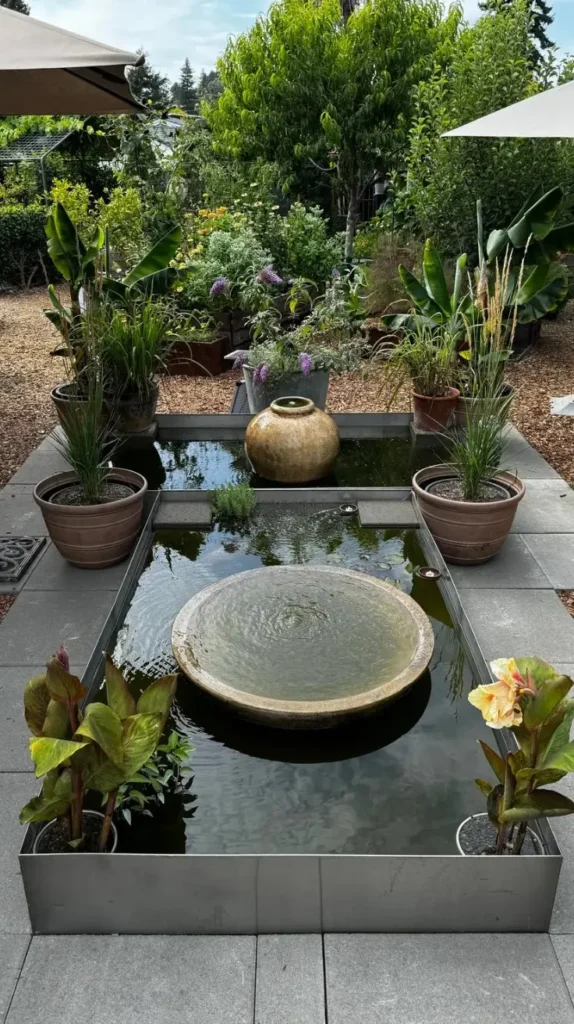
Water features instantly transform a front yard into a serene and inviting oasis. A fountain, pond, or small waterfall provides soothing sounds that calm the senses while creating a visual focal point for visitors. Options range from compact, tabletop fountains for small spaces to tiered or pond-style installations for larger yards.
Surrounding water features with rocks, shrubs, and flowers creates a natural, integrated look. Solar-powered options are energy-efficient and low-maintenance, while adding LED lights can enhance nighttime appeal. Water features also attract birds, butterflies, and other wildlife, adding life and movement to the garden.
Strategically placing a fountain near the entrance or along a pathway draws attention and enhances the overall landscape design. Beyond aesthetics, water elements create a peaceful ambiance, inviting homeowners and guests to pause, enjoy, and engage with the outdoor space in a way that few other garden elements can replicate.
Garden Lighting to Highlight Beauty
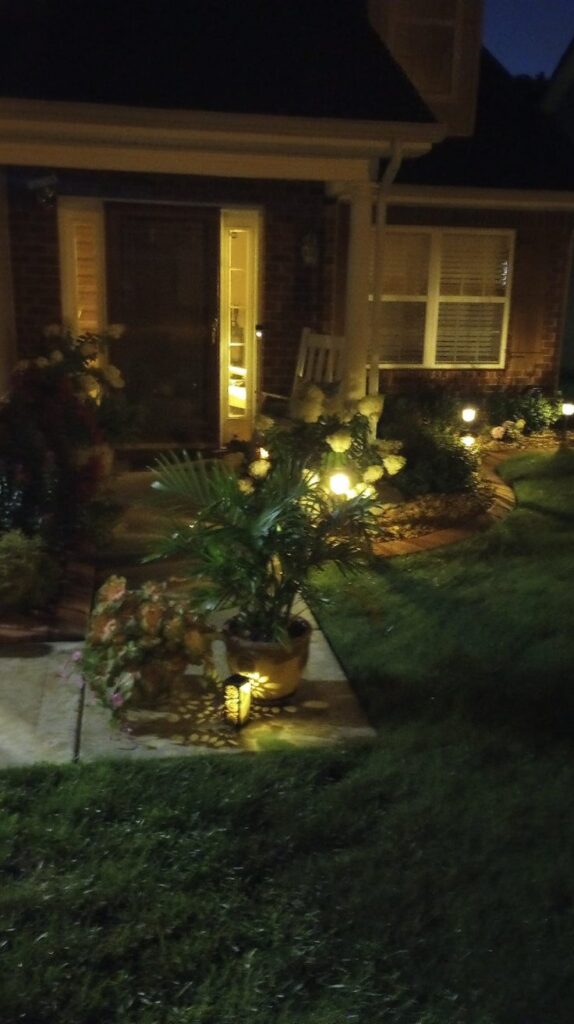
Garden lighting is one of the most transformative elements of a front yard, turning it into a magical and inviting space after sunset. Solar lights, string lights, lanterns, and LED spotlights can illuminate pathways, accentuate flower beds, or highlight ornamental trees and sculptures. Strategic placement adds depth, draws attention to focal points, and creates visual rhythm across the landscape.
Lighting also improves safety by illuminating steps, driveways, and entrances, reducing the risk of accidents at night. Soft, warm lights create a welcoming ambiance, while brighter spotlights can be used to showcase architectural features or seasonal plantings. Even small gardens benefit from subtle lighting, which enhances textures, colors, and shadows for dramatic effect.
Combining multiple lighting types, such as pathway lights, uplights, and decorative lamps, adds layers of interest, making the garden feel alive, inviting, and enchanting after dark. Proper lighting ensures a front yard is not only beautiful during the day but also captivating at night.
Garden Benches and Seating Areas for Relaxation
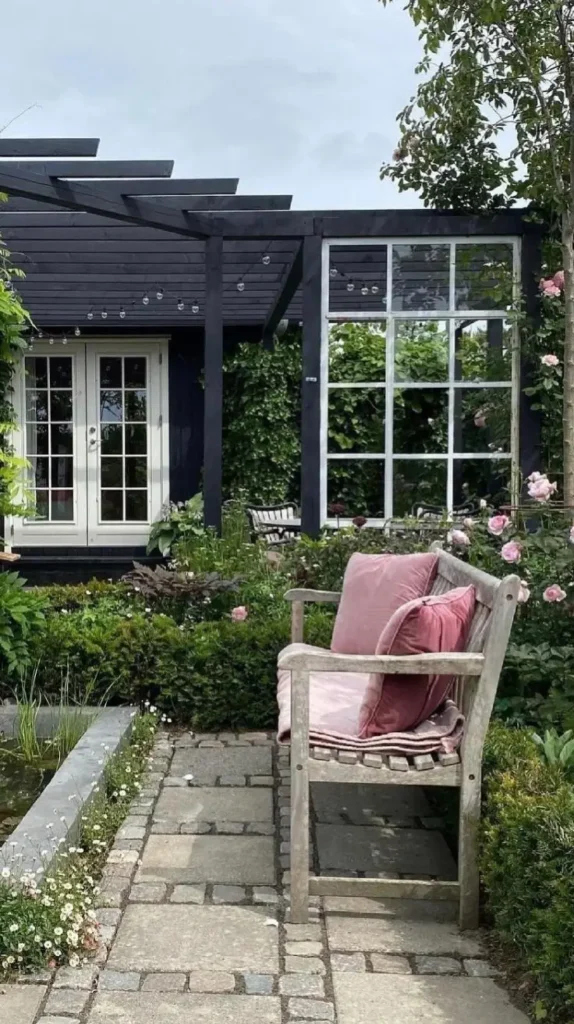
Adding a seating area in the front yard transforms the space from a purely visual feature into a living, usable part of the home. Benches, chairs, or small patio sets provide a welcoming spot to relax, enjoy the garden, or greet visitors. Placement under a shade tree, near a flower bed, or along a pathway creates a cozy nook that enhances the yard’s functionality.
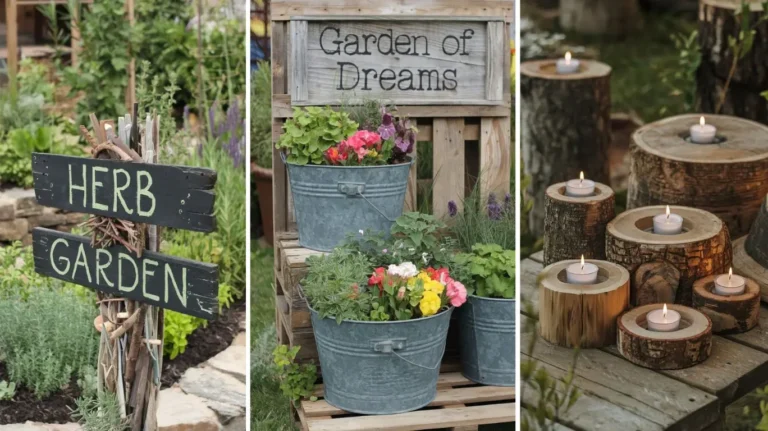
Materials like wood, stone, and wrought iron offer durability while allowing the design to match the overall style of the home. Cushions and small tables add comfort and convenience, while decorative accents such as planters or lanterns create charm. Seating areas encourage lingering, offer a place to enjoy morning coffee, or provide a peaceful spot for reading or reflection.
Integrating benches with surrounding plants or water features creates visual cohesion, making the front yard both practical and aesthetically pleasing. A well-placed seating area increases enjoyment while elevating the yard’s welcoming appeal.
Vertical Gardens for Small Spaces
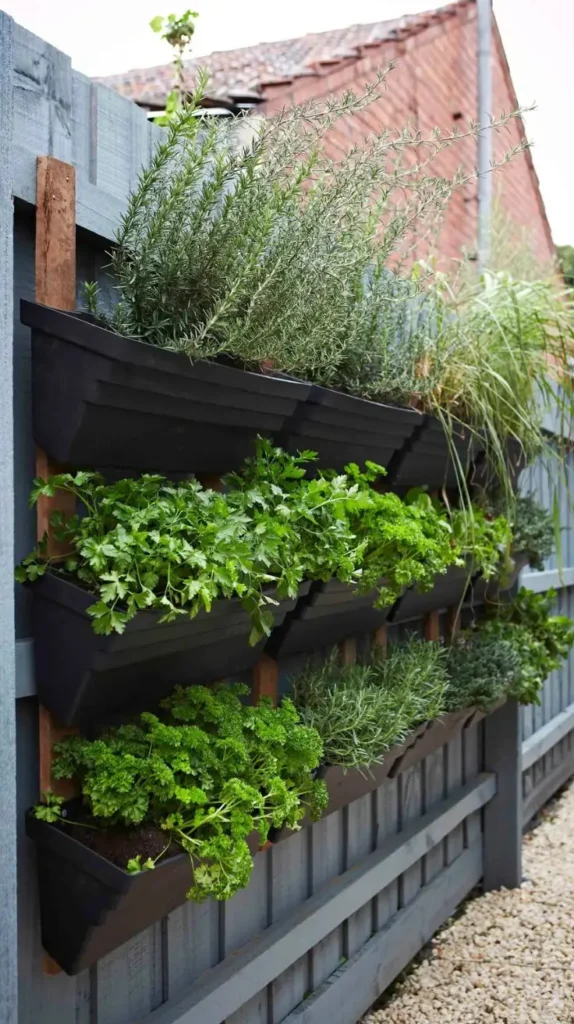
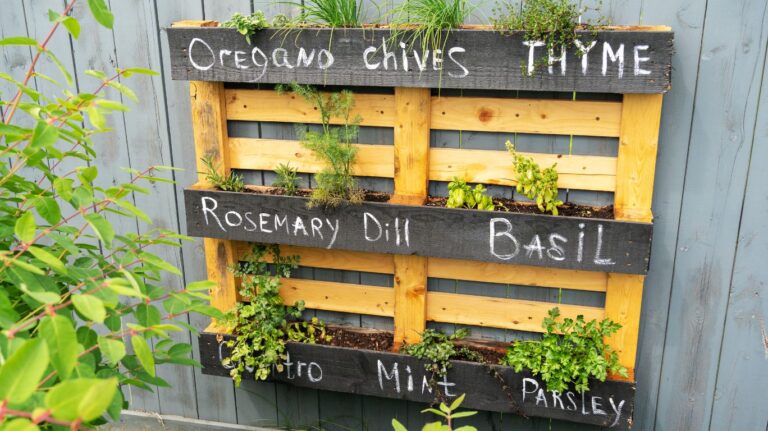
Vertical gardens are an innovative solution for homeowners with limited front yard space, turning narrow or awkward areas into lush, vibrant focal points. By using trellises, wall-mounted planters, or stacked pots, plants grow upward rather than spreading across the ground, saving space while creating dramatic visual appeal. Climbing vines, ferns, and flowering plants thrive in vertical arrangements, offering texture, greenery, and seasonal color.
Vertical gardens also serve as natural privacy screens, concealing fences, walls, or unappealing views while enhancing the yard’s aesthetic charm. They can be incorporated alongside pathways, benches, or water features to create a layered and dynamic design that feels larger than it actually is.
In addition, vertical gardens attract pollinators such as bees and butterflies, bringing life and movement to the yard. By thoughtfully mixing plant types, colors, and heights, a vertical garden becomes both functional and visually captivating, making a small front yard feel alive, inviting, and creatively designed.
Seasonal Planting for Ever-Changing Beauty
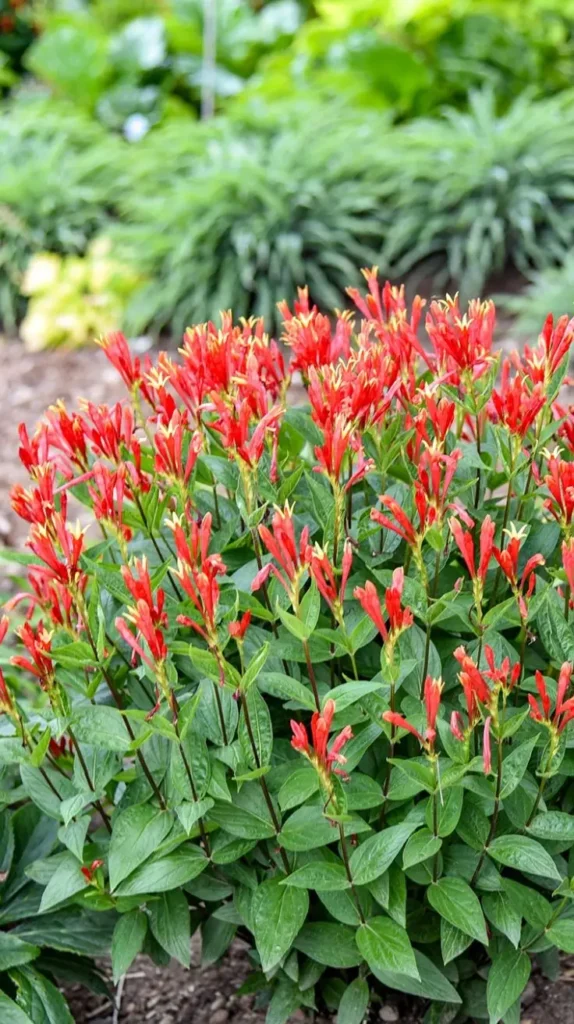
Seasonal planting ensures that a front yard garden remains fresh, colorful, and engaging throughout the year, offering ever-changing beauty for both residents and visitors. Spring bulbs such as tulips, daffodils, and hyacinths introduce early color, while summer perennials like black-eyed Susans, coneflowers, and daylilies provide long-lasting blooms.
In the fall, chrysanthemums, asters, and ornamental grasses add rich hues and texture, while evergreens and hardy shrubs maintain structure and interest during the winter months. Combining seasonal plants with perennial shrubs or ornamental trees creates a seamless flow and visual continuity across the year. Strategic placement along pathways, garden borders, and near focal points ensures maximum visual impact and draws the eye naturally through the landscape.
Seasonal planting also attracts pollinators, including butterflies, bees, and hummingbirds, adding life and motion to the garden. By rotating plants and experimenting with complementary colors and textures, homeowners can enjoy a dynamic, constantly evolving front yard that never feels static or dull.
Garden Art and Sculptures for Personality
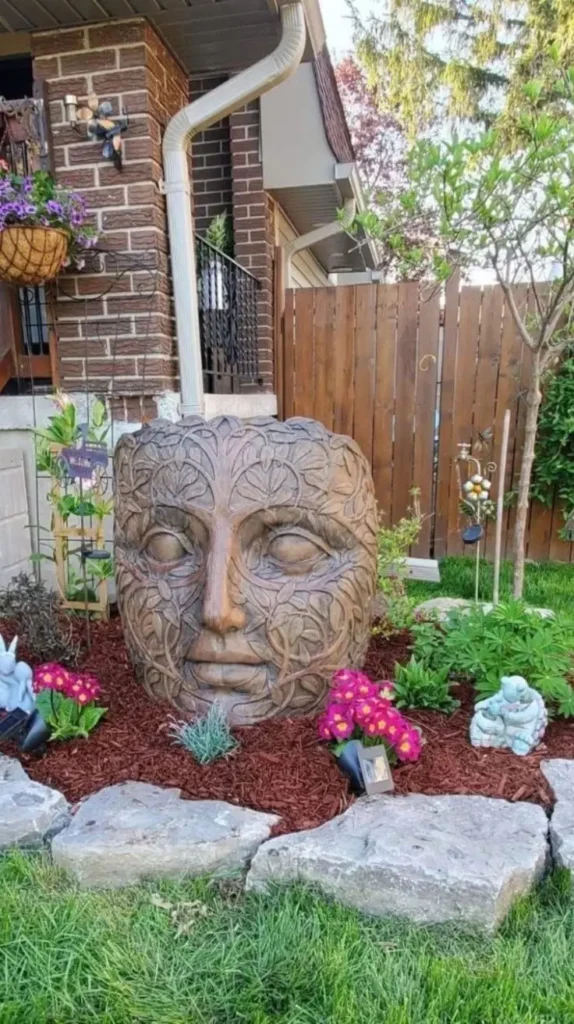
Incorporating garden art and sculptures brings a unique sense of personality, creativity, and visual intrigue to a front yard. Art transforms a standard landscape into a distinctive outdoor gallery that reflects personal taste, whether whimsical, abstract, or elegant. Sculptures can be placed in flower beds, alongside pathways, or near seating areas to act as focal points, immediately capturing attention.
Combining art with natural elements like rocks, trees, or water features creates depth and harmony within the garden. From metal abstract sculptures to handcrafted ceramic figures, artistic installations add texture, contrast, and curiosity. Even smaller accents like wind chimes, garden stakes, or decorative lanterns can elevate the design. Thoughtful placement and layering ensure that garden art integrates seamlessly rather than overwhelming the natural environment.
Beyond aesthetics, art encourages exploration, creates visual rhythm, and adds a memorable element that makes a front yard truly stand out. When combined with plants, pathways, and lighting, sculptures transform the outdoor space into a curated and expressive landscape.
Wildlife-Friendly Gardens for Life and Motion
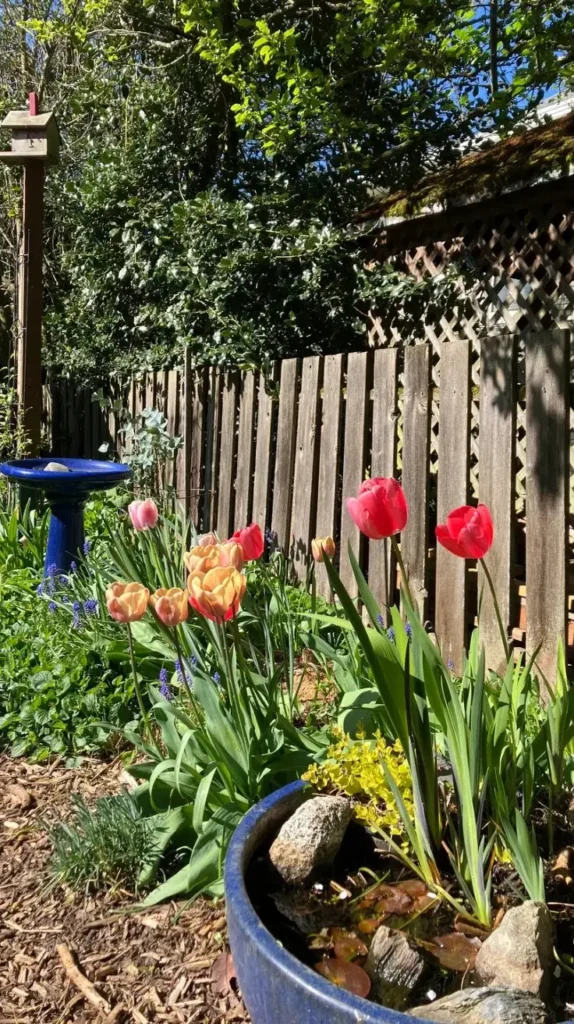
Wildlife-friendly gardens turn a front yard into a lively ecosystem, creating movement, sound, and interaction while supporting nature. Native plants, shrubs, and trees provide natural food, shelter, and breeding spaces for birds, bees, butterflies, and other beneficial insects. Installing birdbaths, feeders, and small water features encourages wildlife to visit regularly, adding motion and vitality to the landscape.
Pollinators improve the health and flowering potential of plants, while birds naturally help control pests. Including natural habitats like rock clusters, log piles, and small ponds provides variety and additional interest, enhancing biodiversity. Wildlife-friendly gardens create sensory experiences with chirping birds, fluttering butterflies, and buzzing bees, making the yard feel alive throughout the day and across seasons.
Such gardens also foster environmental responsibility, offering opportunities to educate children about ecosystems and sustainable practices. Thoughtfully integrating plants, water, and shelter creates a dynamic outdoor space that’s not only beautiful but also teeming with life, offering a constantly changing, engaging front yard experience.
Low-Maintenance Gardens for Effortless Beauty
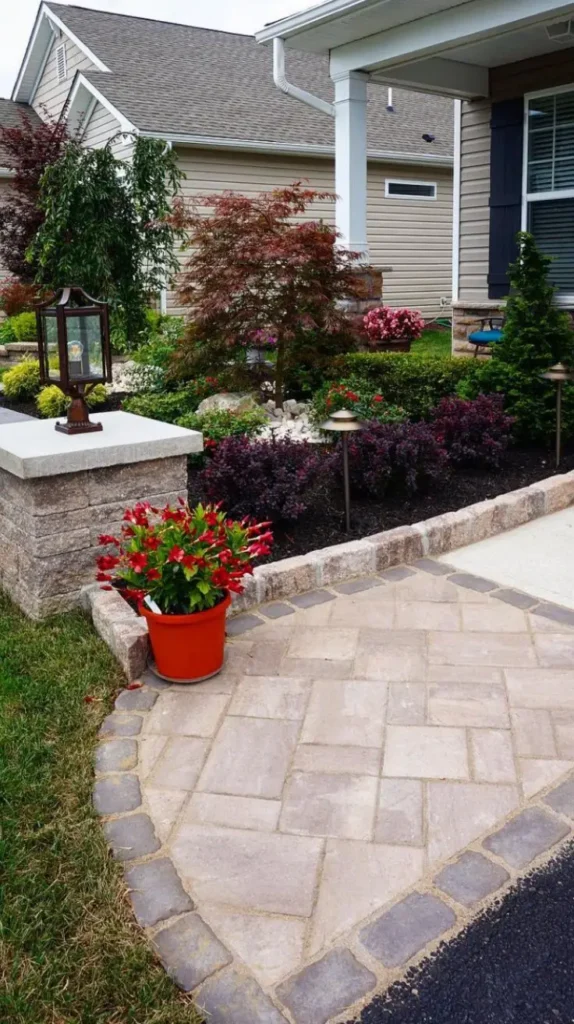
Low-maintenance gardens provide a beautiful and functional front yard without requiring constant effort, making them perfect for busy homeowners or those new to gardening. Selecting drought-tolerant plants, hardy perennials, and native species reduces watering, pruning, and weeding needs, while mulch, gravel, or decorative stones keep beds tidy and suppress weeds.
Incorporating evergreen shrubs, ornamental grasses, and long-lasting flowers ensures that the garden maintains structure and color year-round. Strategic layering of plants and the use of hardscape elements like pathways, rocks, and raised beds add visual interest without adding extra labor. Automatic irrigation systems or drip lines can further simplify care. Despite being easy to maintain, these gardens can be vibrant, organized, and inviting when thoughtfully designed.
They provide homeowners with a stress-free, aesthetically pleasing outdoor space that enhances curb appeal, offers a welcoming atmosphere, and allows enjoyment of nature without demanding daily upkeep. Low-maintenance gardens prove that beauty and convenience can coexist seamlessly.
Read

Jessica's journey into the world of gardening began at an early age when she would eagerly assist her grandmother in tending to her vibrant flower beds. This early exposure nurtured her fascination with plants and their ability to transform spaces and lives.
As the founder and chief writer of Lifeandagri.com, Jessica aims to empower both novice and experienced gardeners to cultivate their own green havens. Through her engaging and informative articles, she demystifies gardening techniques, offers practical tips, and shares innovative ideas for creating stunning landscapes.
- Front Yard Garden Ideas to Transform Your Home’s Curb Appeal - March 26, 2026
- Book Centerpiece Ideas That Turn Ordinary Tables Into Storytelling Displays - March 23, 2026
- Outdoor Pallet Projects That Turn Simple Wood Into Stunning Backyard Features - March 11, 2026