Bathroom Closet Organization Ideas for a Cleaner, Calmer Space
A bathroom closet can go from neat to chaotic surprisingly fast. One minute, everything has a place; the next, towels are tumbling out, toiletries are hiding behind bottles, and finding a spare roll of toilet paper feels like a treasure hunt. A well-planned bathroom closet organization system can change that completely. With a few simple adjustments, even a narrow or crowded closet can become practical, attractive, and wonderfully easy to maintain.
The goal isn’t to create a picture-perfect storage area that takes hours to arrange. It’s to make everyday life easier. When towels, cleaning supplies, toiletries, and personal care items have clear homes, the entire bathroom feels more peaceful.
The best part? Many of these ideas use inexpensive organizers and items you may already have at home. Let’s explore some clever solutions that can make a surprisingly big difference.
Group Similar Items Together
One of the easiest ways to create order is to stop storing unrelated things side by side. Grouping similar products makes the closet much easier to navigate and prevents duplicate purchases.
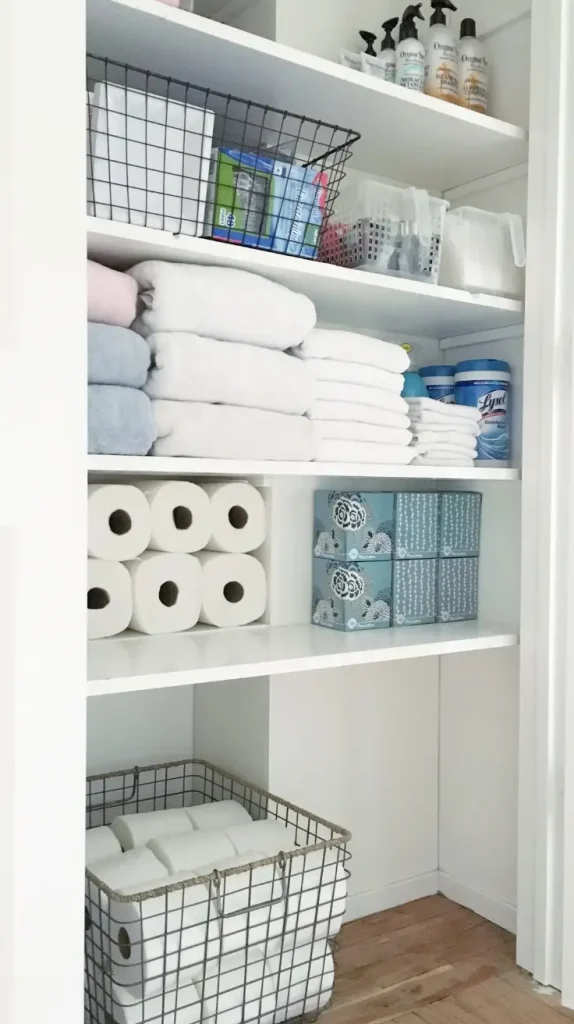
Keep bath towels together, hand towels in another section, and washcloths in their own stack. Toiletries can have a separate area, while cleaning products should stay together on a lower shelf. Extra toilet paper, tissues, and paper products deserve another dedicated zone.
Clear categories create a natural rhythm inside the closet. Instead of searching through every shelf, it becomes possible to reach directly for what’s needed. For smaller bathrooms, this approach can also reveal where valuable space gets wasted. Once everything has a category, unnecessary items become much easier to spot and remove.
Use Matching Baskets for a Tidier Look
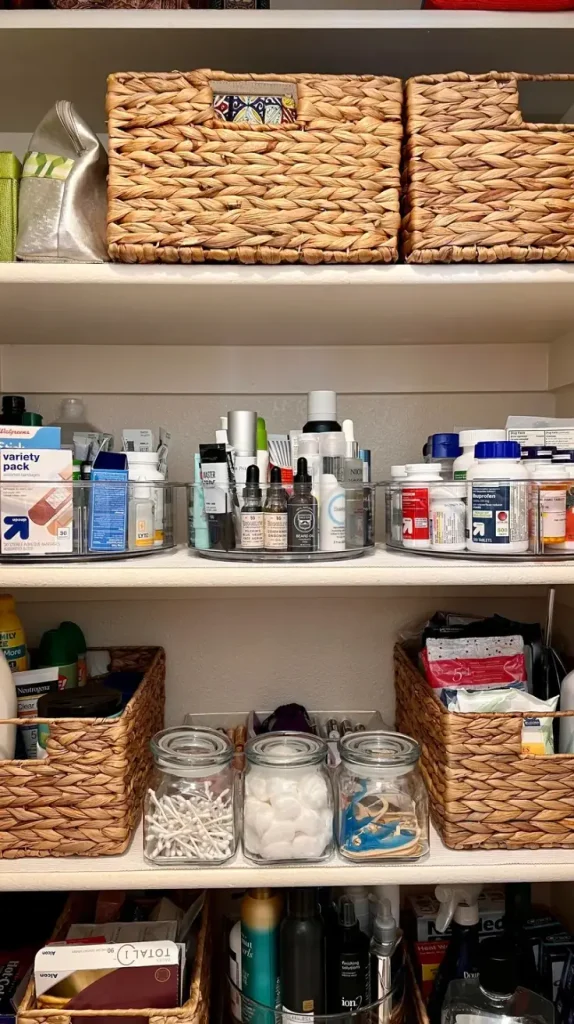
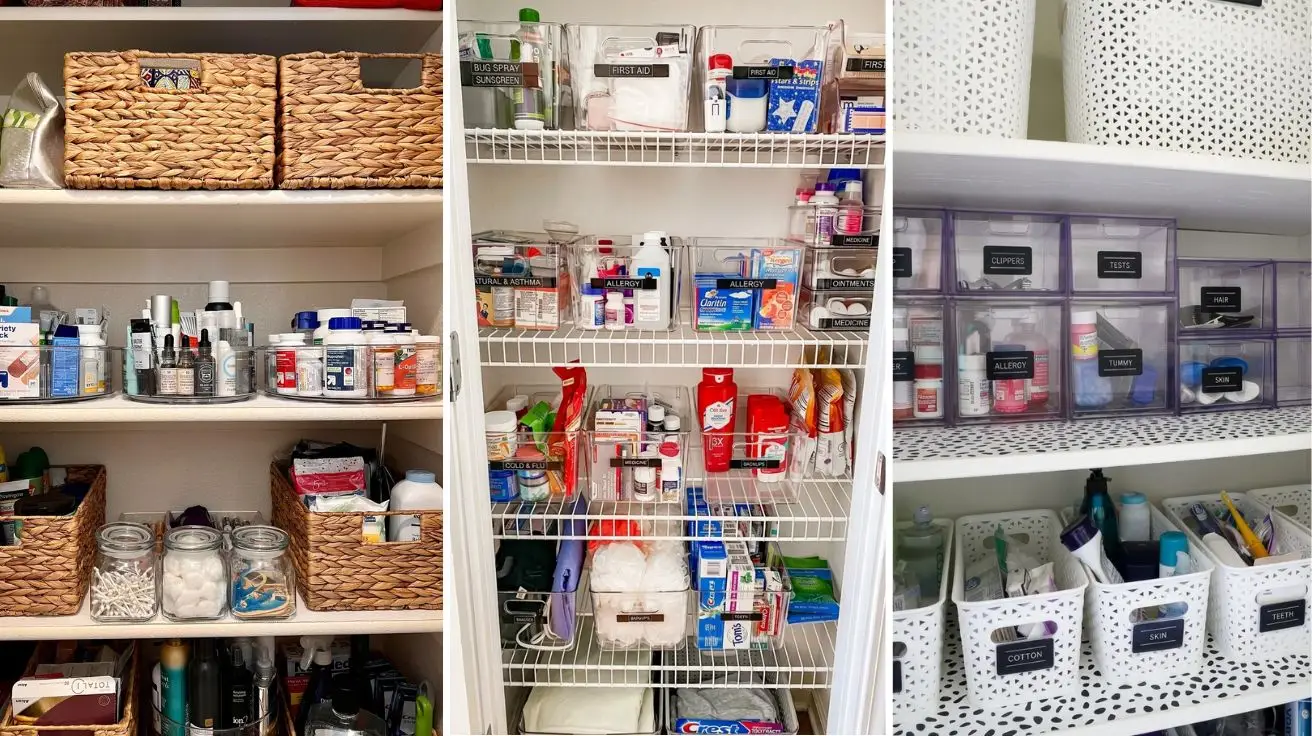
Baskets can completely transform an untidy closet. They hide visual clutter while keeping frequently used supplies within easy reach. Woven baskets bring warmth and texture, while plastic or wire baskets work well for areas where moisture may be an issue. Fabric bins can hold lightweight towels, washcloths, or spare linens.
A useful trick is to give each basket a clear purpose. One might hold hair-care supplies, another first-aid essentials, and another travel-size products. Labeling them makes the system even easier for everyone in the household to follow.
There’s something satisfying about opening the door and seeing a row of organized containers instead of a jumble of loose bottles. But baskets aren’t the only secret to making limited shelves work harder.
Add Shelf Risers for Extra Storage
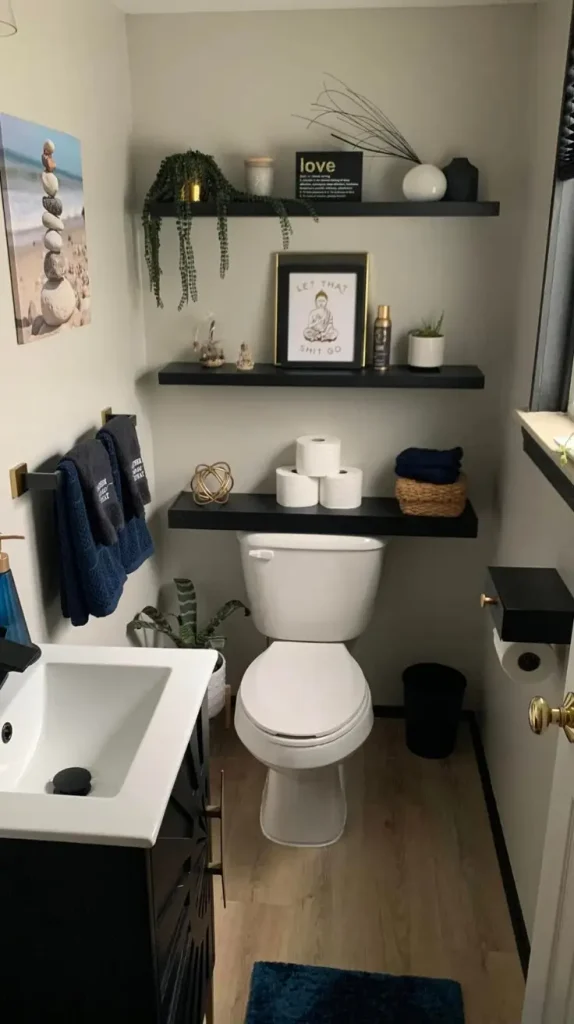
Tall shelves often contain a surprising amount of unused vertical space. Shelf risers solve this problem by creating a second level within an existing shelf.
For example, a riser can separate folded hand towels from washcloths. Another can create room for small toiletry containers beneath taller products. This simple addition can nearly double the usable surface area without changing the closet itself.
When arranging items, place frequently used products toward the front and everyday essentials at comfortable eye level. Less frequently needed supplies can move toward the back or higher shelves. This strategy works especially well for bathroom linen storage because towels can otherwise consume an entire shelf.
Roll Towels Instead of Folding Them
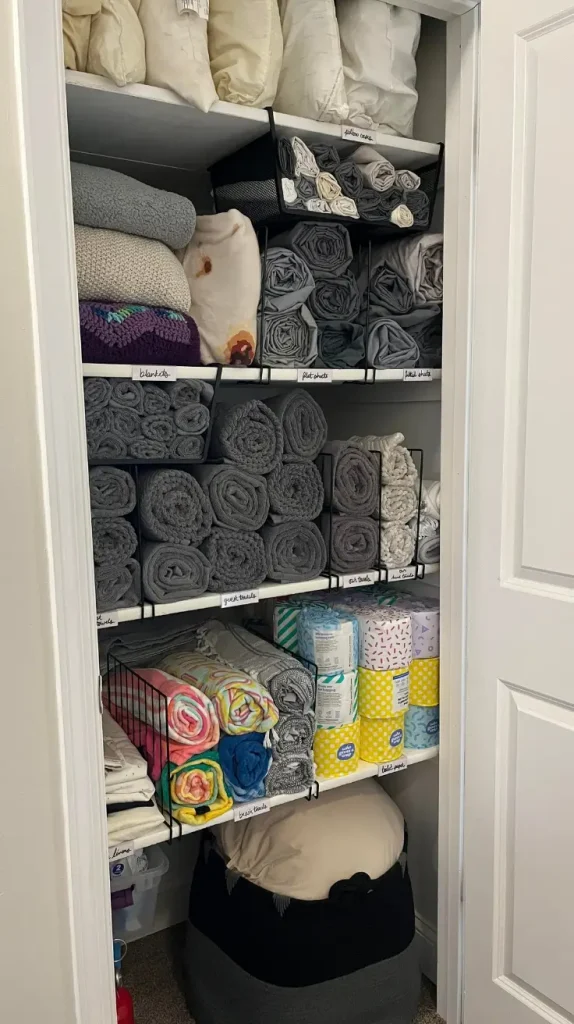
Traditional towel stacks look neat at first, but they can become frustrating when someone pulls a towel from the bottom. Suddenly the entire pile collapses. Rolling towels provides a practical alternative. Rolled towels can stand vertically inside baskets or line up neatly across shelves. This makes each towel accessible without disturbing the others.
For a spa-inspired appearance, arrange towels by size. Place bath towels together, followed by hand towels and washcloths. Keeping similar colors together can also make the closet look more coordinated.
Rolling works particularly well when shelf depth is limited. It allows more towels to fit into compact spaces while making individual pieces easier to grab.
And if the closet still feels cramped, the next solution can help reclaim space that often goes completely unused.
Take Advantage of the Door
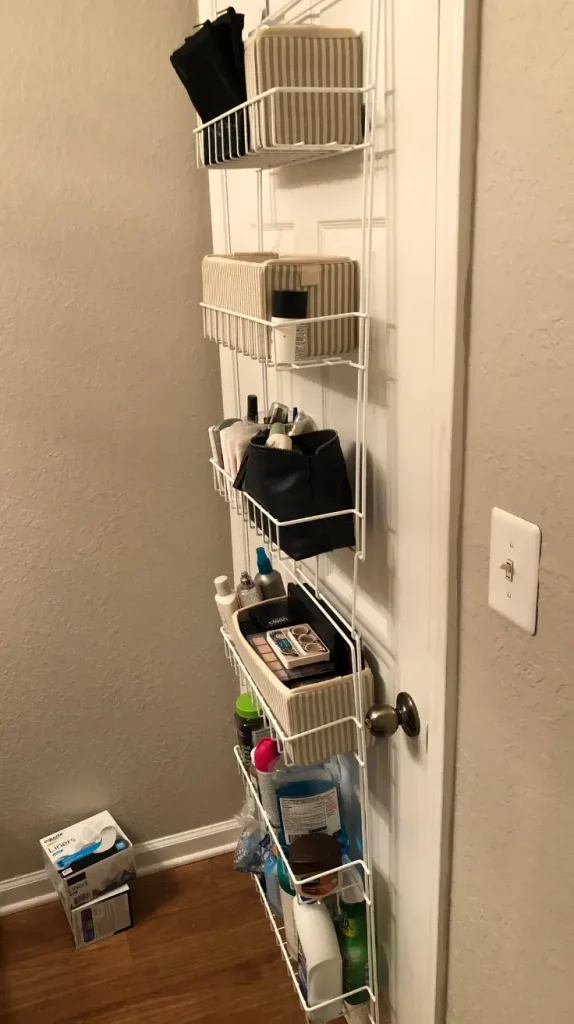
The inside of the closet door is valuable storage real estate. A slim over-the-door organizer can hold many smaller bathroom supplies without taking up shelf space.
Use door pockets for items such as:
- Hair brushes
- Combs
- Small toiletries
- Travel-size bottles
- Hair accessories
- Cleaning cloths
- Extra personal-care products
Choose an organizer that doesn’t make the door too heavy or prevent it from closing properly. Slim designs usually work best in narrow bathroom closets. This is especially useful when the shelves are already packed with bulky towels and linens. Moving small items onto the door creates breathing room inside the main storage area.
Create a Dedicated Towel Station
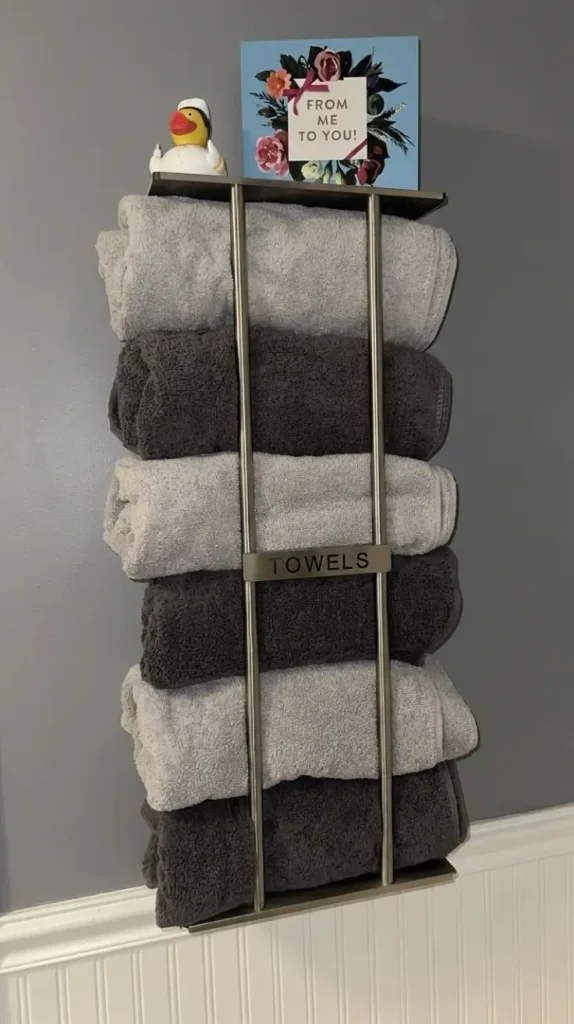
Towels are often the largest items stored in a bathroom closet, so giving them their own dedicated section can dramatically improve organization.
Separate bath towels, hand towels, and washcloths by shelf or container. If several people share the bathroom, color-coding towels can make things even simpler. A dedicated towel station also helps prevent overstuffing. Instead of pushing more towels onto a shelf every time laundry gets folded, the available space establishes a natural limit.
For a polished appearance, fold towels consistently. They don’t need to look like they belong in a luxury hotel; consistency alone can make the closet feel much more intentional.
Store Everyday Toiletries in Small Containers
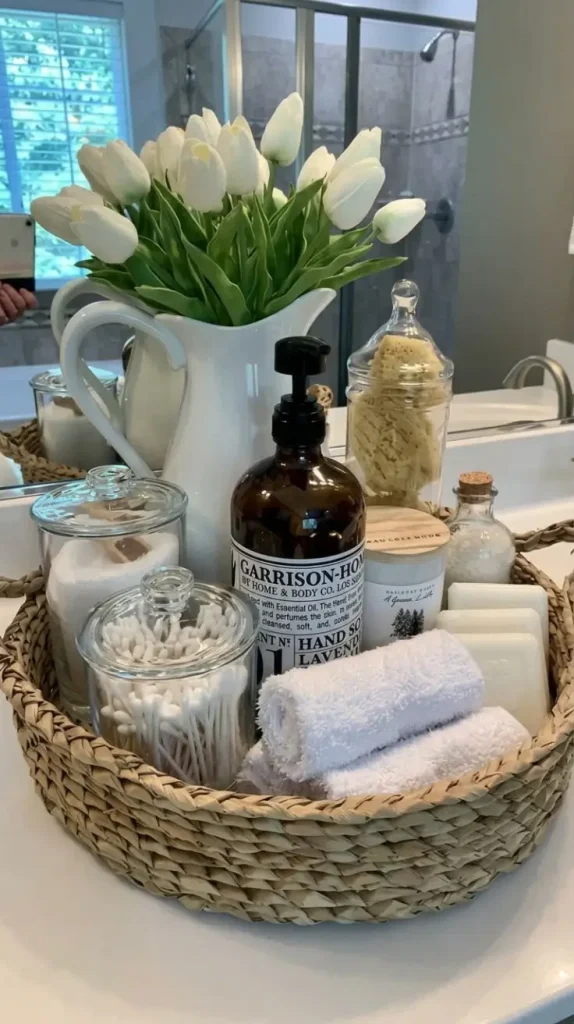
Loose toiletry bottles can quickly make a closet look messy. Small containers help keep these products contained and easier to find.
Use separate bins for categories such as skincare, dental care, hair products, and personal-care supplies. Transparent containers are particularly convenient because their contents remain visible. Avoid filling one giant container with unrelated products. A container should answer one simple question: “What belongs here?”
For example, a small bin labeled “Hair Care” could contain brushes, combs, styling products, and accessories. Another labeled “Travel” could hold sample-size toiletries and reusable travel containers. This kind of organization reduces the amount of searching involved in everyday routines.
Keep Cleaning Supplies on the Lowest Shelf
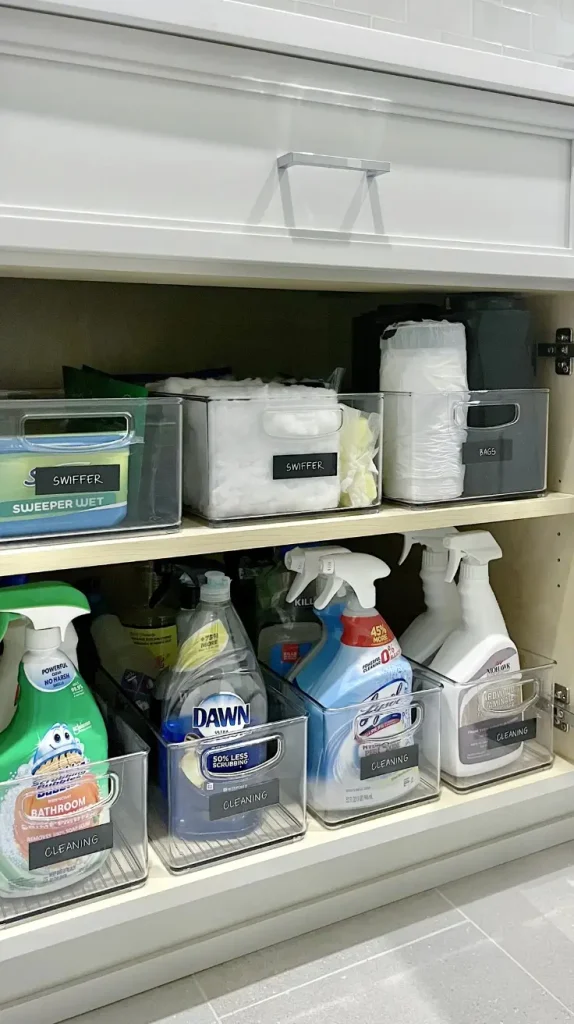
Bathroom cleaners, disinfectants, scrubbers, and other household cleaning products should have their own storage zone. The lowest shelf often makes sense because these items can be heavier and less attractive than linens.
Place cleaning products inside a sturdy plastic caddy so they can be removed together. This makes it much easier to carry everything around the bathroom during cleaning.
Keep cleaning products separate from towels, toiletries, and other personal items. A little separation improves both organization and practicality. If children are present in the household, cleaning products should also be stored securely and according to the safety instructions on their labels. A simple caddy can turn an annoying collection of bottles into one portable cleaning station.
Use Clear Containers for Small Essentials
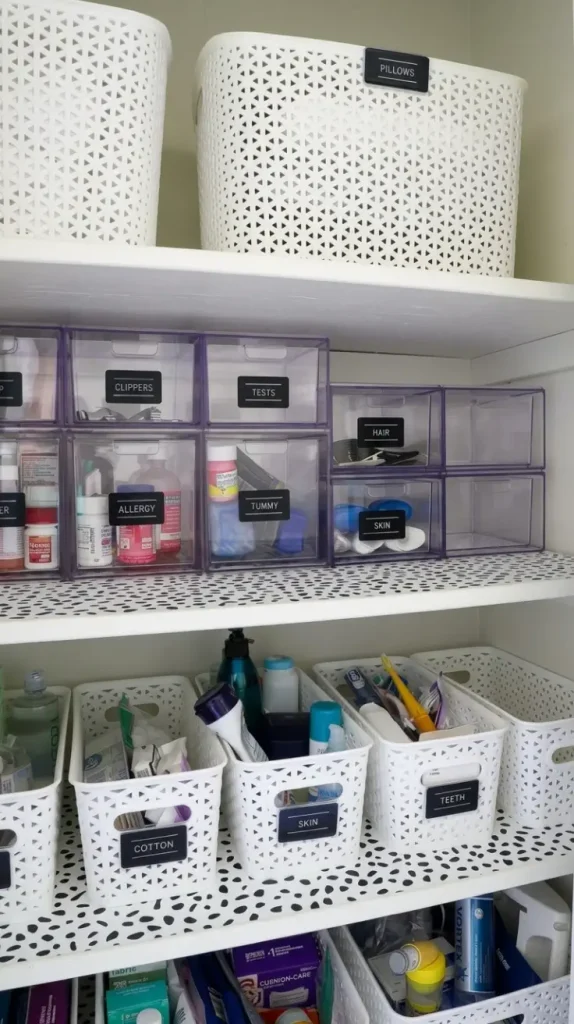
Small items have a talent for disappearing. Cotton swabs, bath accessories, extra toothbrushes, travel containers, and small personal-care products can become scattered across multiple shelves.
Clear containers help solve that problem because they allow contents to remain visible. There’s no need to open several opaque boxes just to find one small item. Choose containers in different sizes according to what they will hold. Smaller bins work well for tiny products, while medium containers can store larger bathroom accessories.
The key is not to fill every container simply because empty space feels wasteful. Leave a little room so items can be removed and returned without creating another mess.
Make a Special Zone for Backups
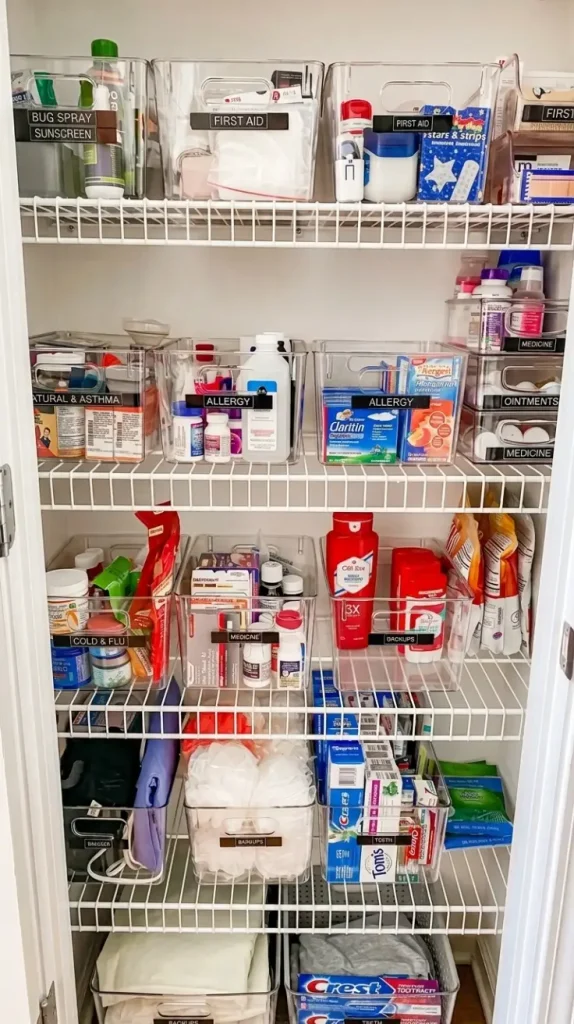
One of the biggest causes of bathroom closet clutter is buying backup products without having a designated place to store them. Create a specific “backstock” zone for extra shampoo, soap, toilet paper, tissues, toothpaste, and other frequently used household essentials.
This creates a simple system: everyday products stay in the bathroom, while unopened extras remain in the closet.
When something runs out, replace it from the backup section. During the next shopping trip, check that zone before purchasing more. This small habit can save money and prevent the classic problem of discovering six bottles of the same product hiding behind a stack of towels.

She has nearly 5 years of expertise in organic gardening, plant pests and diseases, landscape design, horticulture, and permaculture. She is a Master Gardener and Horticulturist.
She includes keywords and phrases that raise the content’s search engine ranking because she has a good grasp of SEO best practices.
- Bathroom Closet Organization Ideas for a Cleaner, Calmer Space - September 2, 2026
- Fall Apartment Decor Ideas to Create a Warm and Cozy Home - August 31, 2026
- Bathroom Lighting Ideas to Make Your Space Feel Brighter, Warmer, and More Beautiful - August 30, 2026