Small Gym Room Ideas That Turn Tight Spaces Into Power Zones
The moment the door closes behind us, something changes. The outside noise fades, excuses lose their strength, and that small room suddenly holds potential. This is where habits form. This is where energy builds. And yes, this is exactly why small gym room ideas matter more than ever.
Not everyone has a full basement or a luxury home gym. Many of us work with spare bedrooms, corners of apartments, or even a section of the garage. The good news? Size does not decide results. Smart design does. With the right layout, lighting, storage, and mindset, even the tiniest workout room can feel motivating, powerful, and personal.
This guide walks through 15 detailed, realistic, and emotionally driven concepts that help transform limited square footage into a space that actually makes us want to move. Each idea focuses on comfort, functionality, and flow, without overwhelming technology or complicated setups. Stay with it, because one of these ideas might quietly change the way daily workouts feel.
The Wall-First Workout Zone

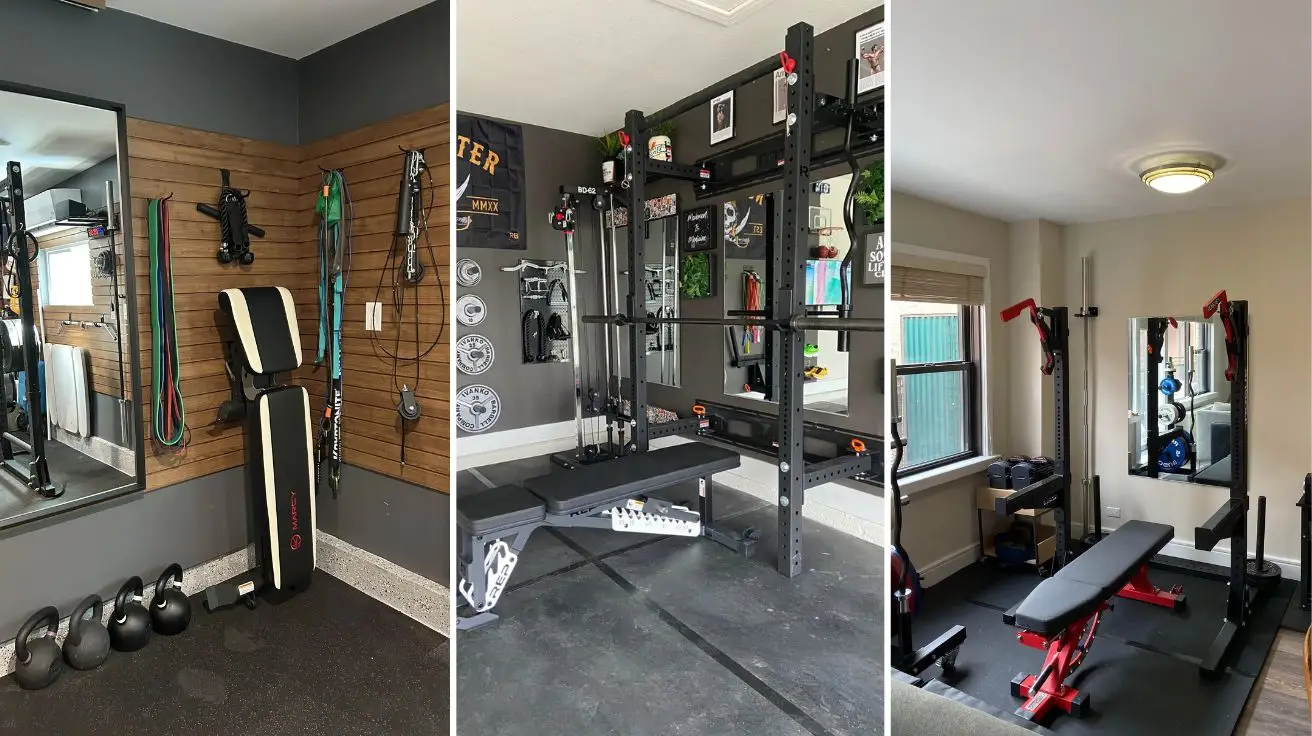
When space feels limited, walls quietly become the most valuable part of the room. Instead of letting them stay empty, this idea turns every vertical surface into a functional fitness partner. Wall-mounted racks, hooks, and shelves help keep equipment off the floor and within reach. This instantly makes the room feel larger, calmer, and more inviting. A clean floor allows free movement, which is essential during workouts that involve stretching, lunges, or dynamic exercises.
This setup also supports consistency. When resistance bands hang neatly, and dumbbells sit on slim wall shelves, starting a workout feels easy instead of overwhelming. There is no need to move piles of gear or search for tools. Everything stays visible and organized. Mirrors placed on the wall improve posture awareness and reflect light, making the room feel open and energized.
Emotionally, this kind of layout reduces stress. A tidy environment helps the mind stay focused. Each session begins with clarity, not chaos. Over time, this simple structure builds a habit that feels natural and sustainable, even in a very small room.
The Mirror-Driven Motivation Space

Mirrors bring more than visual space; they bring awareness. In a compact gym room, a well-placed mirror changes the entire experience. Movement becomes more intentional. Posture improves. Confidence grows quietly with every session. The reflection shows progress that might otherwise go unnoticed.
This idea works especially well for beginners. Seeing form clearly helps avoid injuries and builds trust in the body. A mirror also reflects light, which brightens the room and makes it feel less closed-in. Even a single large mirror can double the perceived size of the space.
Beyond physical benefits, mirrors create accountability. They remind us to stay present and focused. When energy drops, the reflection becomes a silent motivator. It encourages better effort without pressure. Over time, the room begins to feel like a personal studio rather than a cramped corner.
This setup pairs beautifully with free weights, bodyweight routines, and stretching. It turns a small area into a place where growth feels visible and achievable.
The Fold-and-Flow Setup

Flexibility in design brings freedom in movement. Foldable equipment makes a small gym room adaptable instead of restrictive. Wall-folding benches, collapsible cardio machines, and adjustable racks allow the room to change shape depending on the workout or the day.
This idea works perfectly in shared or multi-purpose rooms. During exercise time, the space feels fully equipped. Once the session ends, everything folds away smoothly, restoring balance to the home. This transition helps fitness feel like a natural part of daily life instead of a disruption.
Emotionally, this setup removes pressure. There is no guilt about the equipment taking over the room. The space stays clean and controlled. That sense of order encourages regular use because starting and ending workouts feels effortless.
The flow created by this design supports both physical movement and mental ease. It allows workouts to happen without stress, which is often the biggest barrier to staying consistent in small spaces.
The Minimalist Strength Corner

A minimalist gym room focuses on intention, not excess. This idea strips the space down to what truly matters: movement, breath, and focus. With just a mat, a few weights, and resistance tools, the room feels calm and approachable.
Neutral colors and simple design help reduce mental noise. There are no distractions, no clutter, and no pressure to perform at a certain level. This environment welcomes beginners and supports slow, steady progress. Each session feels manageable, even on low-energy days.
The simplicity of this setup encourages a deeper connection with the body. Movements feel more controlled. Breathing becomes more noticeable. Strength builds quietly over time.
This type of room also supports flexibility. It works for strength training, stretching, and recovery without needing constant rearrangement. The result is a space that feels peaceful yet powerful, a place where consistency grows naturally through comfort and clarity.
The Cardio with Character Space

Cardio workouts often feel repetitive, especially inside a small room. This idea changes that feeling completely by adding personality and comfort to the space. A compact treadmill, exercise bike, or stepper can fit easily when placed with intention. Positioning the equipment near a window or bright wall helps reduce that boxed-in feeling and keeps energy levels high throughout the workout.
What truly transforms this setup is character. Colorful wall accents, uplifting quotes, or framed fitness goals bring life into the room. Music becomes part of the experience, not just background noise. Even a small speaker can change the mood instantly, turning routine cardio into an energizing ritual.
Airflow plays a huge role here. A small fan or open window keeps the body cool and focused, especially during longer sessions. Comfort prevents early fatigue and supports endurance. Over time, this space stops feeling like a task zone and starts feeling like a release. That emotional shift makes cardio something we return to willingly, not something we avoid.
The All-in-One Training Nook

A small room does not need to feel limited when everything has a purpose. This idea creates a balanced training nook that supports multiple workout styles without crowding the space. One corner can focus on strength, another on mobility, and a small section on recovery. Even within tight square footage, this zoning helps the mind stay organized and engaged.
Clear visual separation helps workouts flow smoothly. Strength exercises transition naturally into stretching or cooldowns without confusion. Storage stays close, which saves time and reduces frustration. Nothing feels scattered or overwhelming.
Emotionally, this setup brings confidence. There is a sense of control and readiness every time the room is entered. Workouts feel structured yet flexible, allowing variety without chaos. This keeps routines interesting and prevents burnout. Over time, the space becomes dependable, a place where movement feels natural, balanced, and sustainable, no matter the energy level of the day.
The Light Led Energy Room

Lighting affects motivation more than most people expect. In a small gym room, light can completely change how the space feels. Bright lighting supports high-energy sessions, while softer tones encourage stretching and recovery. Adjustable LED lights make it easy to shift the mood without changing the layout.
LED strips along the ceiling or behind mirrors add depth without taking up space. They make the room feel larger and more dynamic. Color options introduce rhythm and excitement, helping workouts feel less repetitive. The change in lighting signals different phases of movement, keeping the mind engaged.
Emotionally, this setup builds an association. Bright light becomes linked with strength and effort. Soft light becomes linked with calm and recovery. Over time, just turning on the lights prepares the body and mind for movement. The room feels alive, supportive, and energizing, making consistency feel easier and more enjoyable.
The Storage-Smart Solution


Source – homegym
Storage can quietly decide whether a small gym room feels inviting or overwhelming. When equipment piles up on the floor, motivation drops before the workout even begins. This idea focuses on using smart, space-saving storage to create a room that feels calm, organized, and ready at all times. Vertical shelves, wall-mounted racks, and slim cabinets help keep weights, bands, and accessories off the ground and neatly arranged.
Clear storage bins make it easy to find what is needed without digging through clutter. Labels remove hesitation and save time, which matters on busy days. When cleanup is quick and effortless, workouts feel less stressful from start to finish. The room stays visually open, allowing free movement and better focus.
Emotionally, organized storage builds confidence. There is no frustration or delay, just smooth transitions from one exercise to the next. Over time, the space feels dependable and supportive. That sense of order encourages consistency and helps turn short workouts into a lasting routine.
The Recovery-Focused Retreat

Recovery often gets overlooked, yet it plays a major role in long-term progress. This idea transforms part of the small gym room into a quiet retreat dedicated to stretching, mobility, and muscle care. Soft flooring, foam rollers, and resistance straps create a space where the body can slow down and reset after intense movement.
Lighting stays gentle and warm, helping the nervous system relax. Minimal décor reduces distractions and encourages deeper breathing. This environment supports longer cooldowns, which improve flexibility and reduce soreness over time. The room feels less like a pressure zone and more like a place of balance.
Emotionally, this setup prevents burnout. It sends a powerful message that rest is part of strength, not a weakness. When recovery feels rewarding, motivation stays steady. Workouts become more enjoyable because the body feels cared for, not pushed beyond comfort. This balance helps maintain momentum without exhaustion.
The Family-Friendly Fitness Room


Source – homegym
A small gym room can support more than one person when designed with care. This idea focuses on flexibility, safety, and openness so that different ages and fitness levels can share the space comfortably. Adjustable equipment allows quick changes, while open floor areas reduce the risk of accidents.
Storage stays low and secure to keep pathways clear. Simple layouts make the room easy to understand and use, even for beginners. The environment feels welcoming instead of intimidating, which encourages regular use.
Emotionally, shared movement builds connection. Fitness becomes a group habit instead of a solo responsibility. Encouragement flows naturally, and consistency improves without pressure. Over time, the room becomes part of daily life, supporting health through shared energy and positive routines. This sense of togetherness makes fitness feel lighter and more enjoyable for everyone involved.
The Budget-Conscious Build

Creating a functional gym room does not require expensive machines or fancy equipment. This idea proves that small spaces and limited budgets can still support effective workouts when approached creatively. Resistance bands, adjustable dumbbells, kettlebells, and even bodyweight exercises can provide a complete full-body workout without taking up much space or money. A few versatile tools, combined with smart planning, can replace bulky, costly machines entirely.
Repurposing furniture, using secondhand storage, or even DIY shelving adds additional value and helps keep the room organized without overspending. Creativity becomes part of the fitness experience, reinforcing that results come from commitment and consistency, not price tags. Emotionally, this setup builds pride and ownership because the room reflects effort and planning rather than cost. Seeing a tidy, functional gym built on a budget can be motivating and empowering.
Over time, a budget-conscious gym room demonstrates that small spaces and limited resources are not barriers to success. It encourages a mindset of resourcefulness, reinforces discipline, and supports sustainable long-term fitness habits. Every workout in this space feels intentional, reminding us that consistency and focus matter far more than luxury.
The Tech-Light Training Space

Technology is helpful, but overloading a small gym room with screens, apps, or complicated devices can create distraction instead of motivation. The tech-light training space focuses on simplicity: a basic timer, music source, and minimal tracking tools are all that’s needed. This keeps the focus on movement, breathing, and intentional practice rather than numbers or notifications.
Without constant digital input, workouts become more intuitive. Body awareness increases, and each movement is performed with purpose. The room feels calmer, less pressured, and easier to use consistently. Beginners especially benefit from this setup because it removes intimidation and allows them to connect with their own pace and energy levels.
Emotionally, reducing tech creates a positive workout environment. The gym feels like a sanctuary rather than a stressful zone filled with distractions. Over time, the space encourages presence, mindfulness, and self-discipline. The room becomes a place where motivation grows naturally, consistency strengthens, and fitness becomes less about performance tracking and more about personal growth and enjoyment.
The Corner Conversion Concept

Corners often get overlooked, but they can become surprisingly functional gym areas. This idea focuses on transforming an unused corner into a dedicated fitness space that supports full-body workouts in minimal square footage. A yoga mat, compact storage, and a wall mirror are enough to make the corner a versatile zone for stretching, strength exercises, or light cardio.
This approach works especially well in shared or multi-purpose rooms. It doesn’t require major renovations, and the corner integrates seamlessly into the existing layout of the home. Emotionally, this concept removes barriers to fitness. Workouts no longer require an entire room or large space. Fitness becomes accessible, approachable, and realistic.
Over time, this converted corner develops into a reliable workout hub. Its accessibility encourages short, consistent sessions, which accumulate into meaningful progress. The room evolves into a quiet reminder that consistency and effort matter more than size or luxury. Even the smallest corner can become a place of empowerment, focus, and growth.
The Calm and Control Studio

The calm-and-control studio transforms a small gym room into a space that encourages mindful movement, control, and balance. Soft colors, natural textures, and gentle lighting create a nurturing atmosphere perfect for pilates, yoga, stretching, or low-impact strength routines. Unlike bright, high-intensity gyms, this setup promotes focus and flow.
Minimal décor eliminates distractions, allowing attention to remain on proper form and controlled movements. The environment encourages deep breathing, better alignment, and a stronger mind-body connection. The room feels like a sanctuary rather than a high-pressure space, which can make workouts more enjoyable and sustainable.
Emotionally, this design fosters calm, confidence, and patience. Consistency grows naturally because the space is welcoming and stress-free. Over time, the calm-and-control studio becomes a refuge for both physical and mental health, supporting balance, flexibility, and long-term wellness. Small spaces no longer feel limiting; instead, they offer clarity, comfort, and space for personal growth.
The Personalized Power Room


Source – homegym
A personalized power room turns a small gym into a highly motivating, emotionally charged space. Personal touches such as inspiring photos, motivational quotes, favorite colors, or meaningful objects create a strong connection between the environment and personal goals. This connection makes workouts feel intentional rather than obligatory.
The design reflects the individual’s journey, achievements, and aspirations, which naturally reinforces commitment. Every session becomes more engaging because the space visually reminds users why they train. It also provides a sense of ownership; every item and feature has meaning, which builds pride and emotional investment.
Over time, the personalized power room evolves beyond a workout area into a symbol of growth and resilience. Motivation stays consistent even on challenging days, because the room is tied to purpose rather than equipment. It encourages discipline, reinforces positive habits, and makes fitness feel deeply rewarding. Even small spaces can generate powerful psychological and physical results when thoughtfully personalized.
Read

She has nearly 5 years of expertise in organic gardening, plant pests and diseases, landscape design, horticulture, and permaculture. She is a Master Gardener and Horticulturist.
She includes keywords and phrases that raise the content’s search engine ranking because she has a good grasp of SEO best practices.
- Front Porch Swing Ideas to Create a Cozy Outdoor Retreat - October 16, 2026
- Art Deco Living Room Ideas That Bring Glamour, Drama, and Timeless Style - October 15, 2026
- First Home Decor Ideas to Make Your New House Feel Warm, Stylish, and Inviting - October 14, 2026