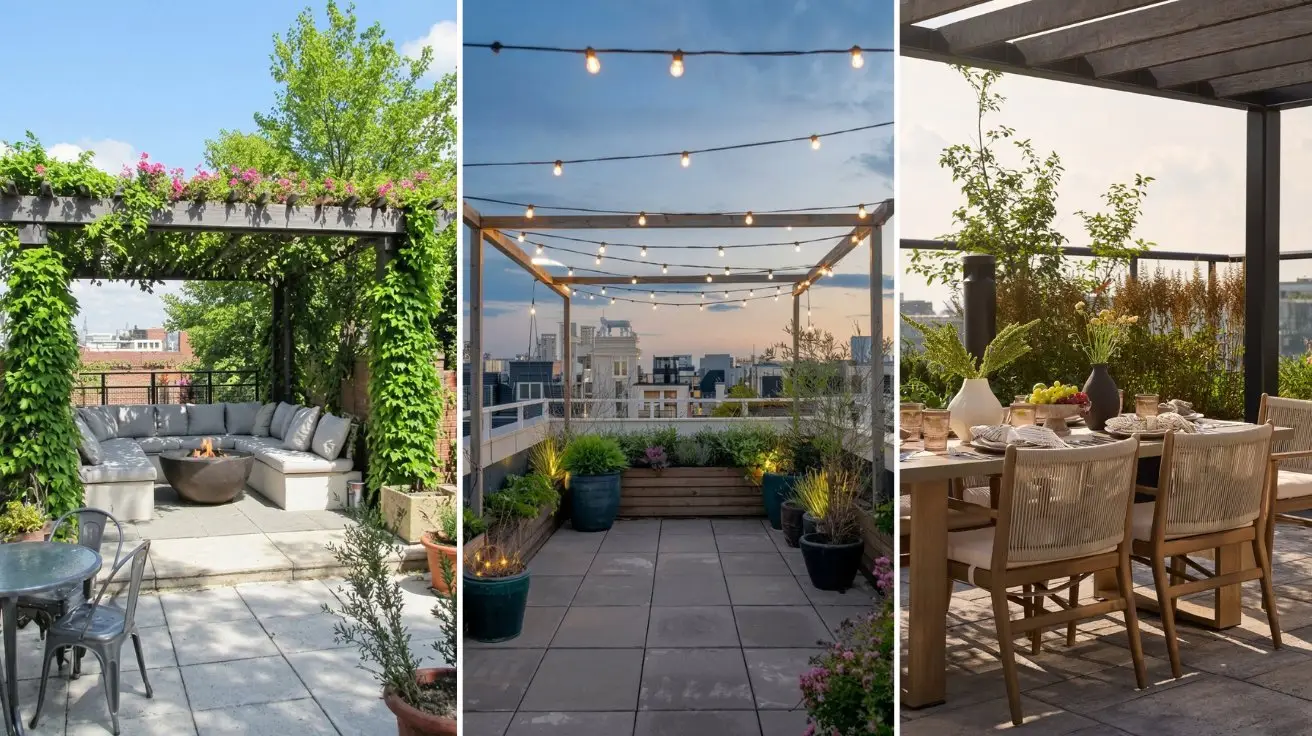
Rooftop Patio Design Ideas That Elevate Comfort, Style, and Everyday Living
The city never really sleeps. The traffic hums, lights flicker, and the days blur into each other. But right above it all, there’s a space waiting to be transformed, a rooftop that holds endless potential. With the right rooftop patio design, that overlooked space can become a peaceful retreat, a social hub, or even a private sanctuary under the stars.
A well-planned rooftop patio design does more than add beauty. It adds life. It creates a place where mornings feel calmer, evenings feel richer, and weekends become something to look forward to. From cozy corners to modern lounges, each design idea below unlocks a different experience, one that feels personal, warm, and unforgettable.
Cozy Lounge Corners That Feel Like a Second Living Room
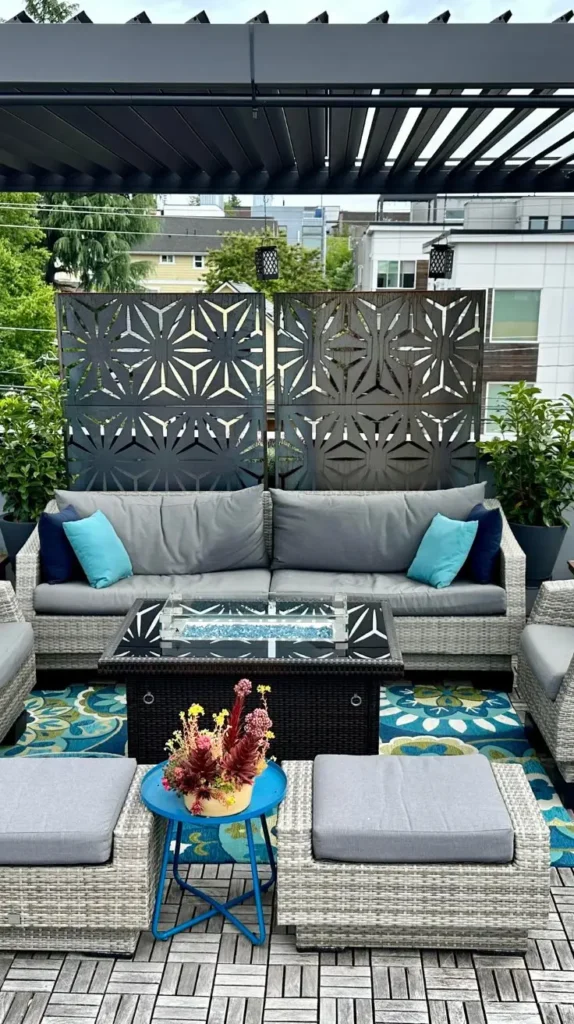
Every rooftop deserves a space where comfort takes center stage. A well-crafted lounge corner turns a cold, empty surface into a warm and inviting retreat. Soft outdoor sofas, layered cushions, and textured throws create a setting that feels just as relaxing as an indoor living room. The key lies in choosing weather-resistant materials that still feel soft and luxurious to the touch.
Low seating arrangements work especially well because they create a grounded, intimate vibe. Adding a central coffee table or ottoman helps tie everything together while giving the space a practical purpose. The arrangement should feel natural, not forced, allowing easy movement and conversation.
Lighting plays a huge role here. As daylight fades, soft string lights or lanterns create a golden glow that makes the space feel calm and welcoming. This corner becomes more than just seating; it becomes a place where long conversations unfold, where silence feels peaceful, and where time seems to slow down effortlessly.
Vertical Gardens That Bring Life Into the Sky
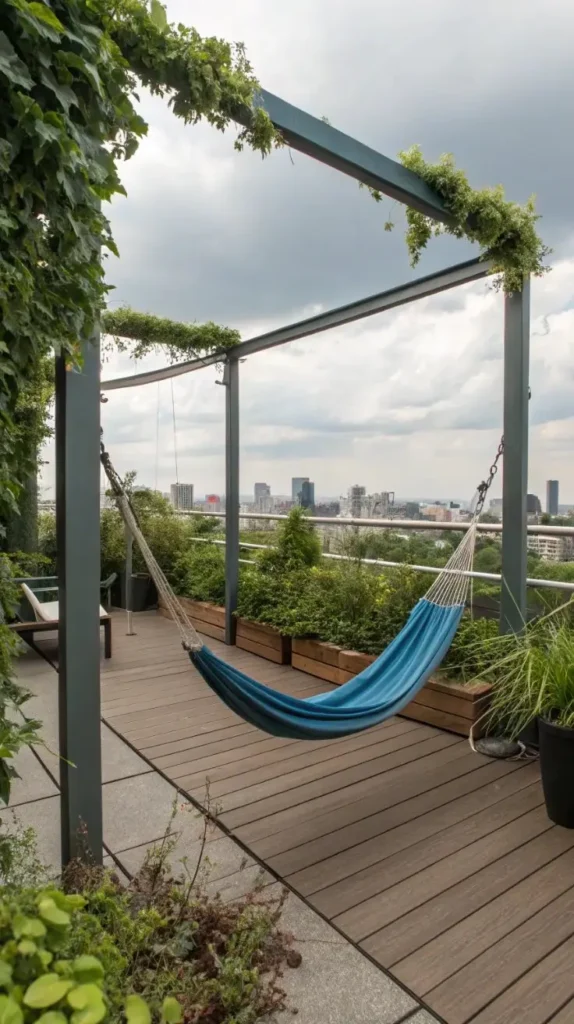
A rooftop without greenery can feel incomplete, almost lifeless. That’s where vertical gardens step in and completely shift the atmosphere. Instead of using valuable floor space, plants grow upward, transforming plain walls into lush, vibrant features.
Stacked planters, hanging pots, or wall-mounted systems allow greenery to flourish even in tight areas. Plants like ferns, succulents, and climbing vines thrive in these environments, especially when sunlight is abundant. Herbs such as mint, basil, or rosemary add an extra layer of usefulness, turning beauty into something functional.
Beyond visual appeal, greenery softens the harshness of concrete and metal. It introduces a sense of calm that’s hard to describe but easy to feel. The air feels fresher, the space feels cooler, and the entire rooftop starts to resemble a hidden garden rather than a structural surface.
Over time, as plants grow and fill the space, the rooftop begins to take on a life of its own, constantly changing, evolving, and becoming more captivating with each passing day.
Dining Areas That Turn Meals Into Experiences
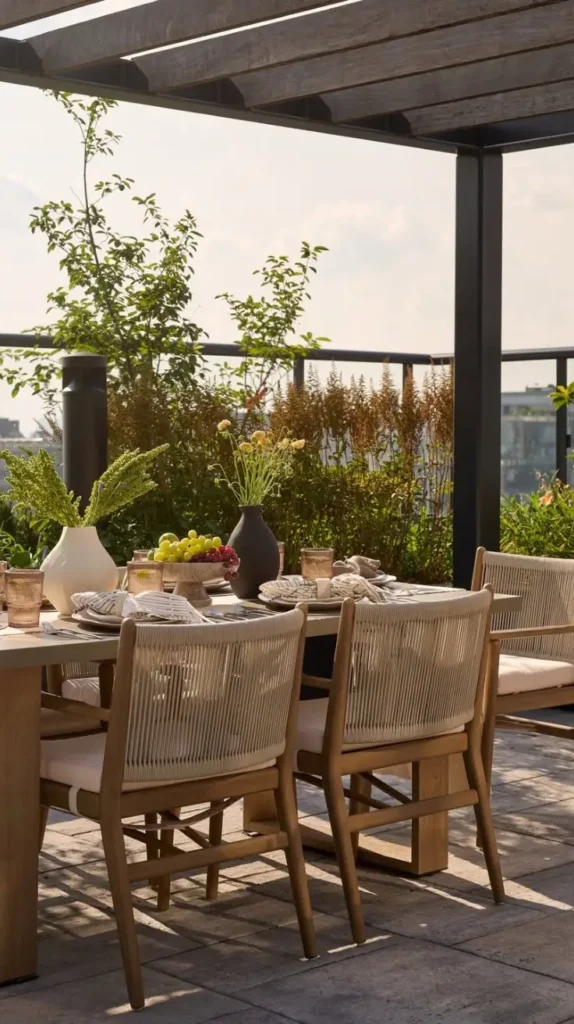
Eating outdoors on a rooftop carries a unique charm that goes beyond the food itself. A thoughtfully designed dining space transforms everyday meals into memorable experiences. The setup doesn’t need to be extravagant to feel special, it simply needs intention.
A sturdy table paired with comfortable seating forms the foundation. Materials like treated wood or metal ensure durability while maintaining a clean and stylish look. The arrangement should allow enough space for movement while still feeling connected and intimate.
Shade becomes essential during the day. Umbrellas or pergolas help control sunlight, making the space usable even during warmer hours. As evening approaches, lighting takes over. Soft, warm lights create a calm ambiance that feels almost restaurant-like, without ever leaving the comfort of home.
Small details make a big difference. A simple centerpiece, a few candles, or neatly arranged tableware can elevate the entire experience. Over time, this area becomes more than a place to eat, it becomes a setting where stories are shared and moments are remembered.
Fire Features That Create Instant Atmosphere
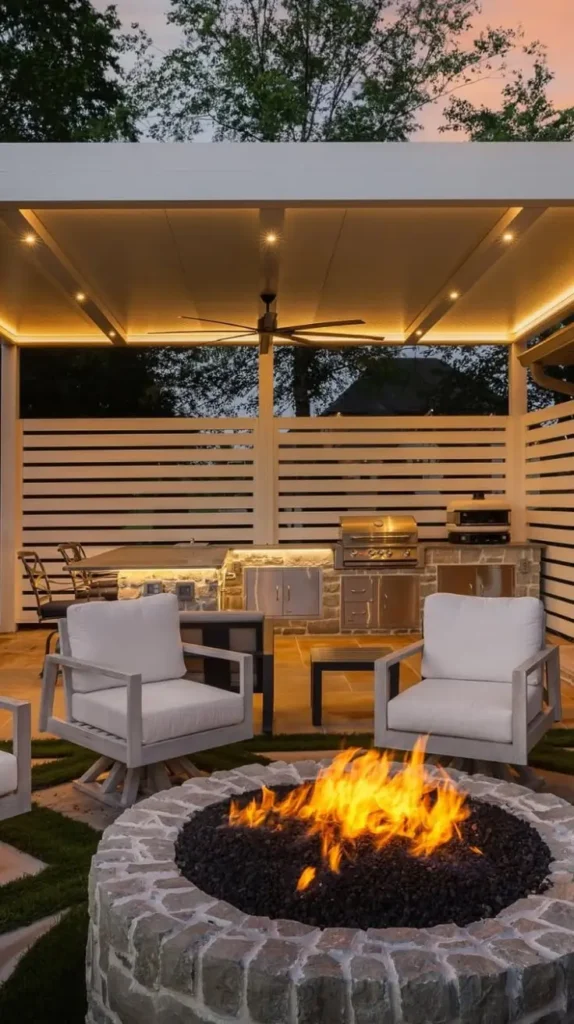
There’s something deeply captivating about fire. It draws attention, creates warmth, and adds a sense of comfort that no other element can replicate. Adding a fire feature to a rooftop patio instantly changes the mood, especially during cooler evenings.
Fire pits, tabletop fireplaces, or built-in features can serve as the centerpiece of the entire space. The flickering flames introduce movement, making the environment feel alive and dynamic. Surrounding the fire with comfortable seating encourages people to gather, naturally turning it into a social hub.
Safety and simplicity go hand in hand. Gas or propane options are easier to manage and maintain, making them a practical choice for most rooftops. Placement is also important, ensuring enough space around the feature for comfort and security.
As the evening deepens, the glow of the fire creates a cozy, almost hypnotic atmosphere. Conversations become richer, laughter feels louder, and the rooftop transforms into a place that feels both intimate and unforgettable.
Pergolas and Shade Structures for Comfort
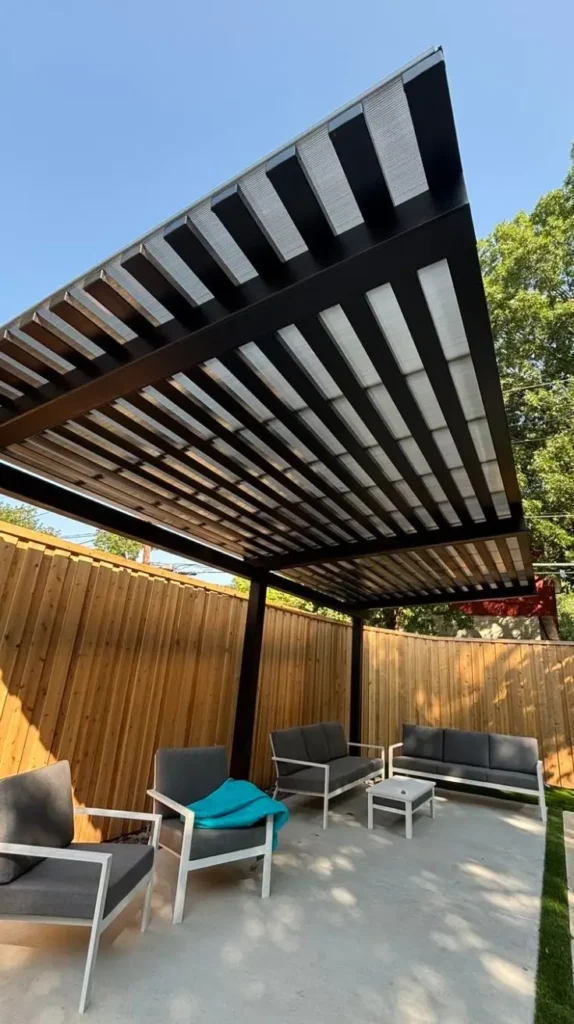
Strong sunlight can quickly turn a rooftop into an uncomfortable space, which is why shade structures become one of the most important design elements. A pergola creates a defined outdoor room without fully closing the space. It adds structure, rhythm, and architectural beauty while still allowing airflow and natural light. Wooden pergolas bring a warm, organic feel, while metal versions lean toward a modern, industrial look.
Fabric canopies introduce softness and movement, especially when the wind flows through them. Retractable awnings add flexibility, allowing full sun during cooler hours and shade when the heat intensifies. What makes shade structures especially powerful is how they shape the experience of the rooftop throughout the day. Morning light filters gently through beams, while afternoon shadows stretch dramatically across the floor.
Decorative additions like climbing vines, hanging lanterns, or sheer curtains turn the structure into something almost cinematic. The space feels less like an exposed roof and more like an outdoor living room suspended above the world.
Minimalist Designs for a Clean and Modern Look
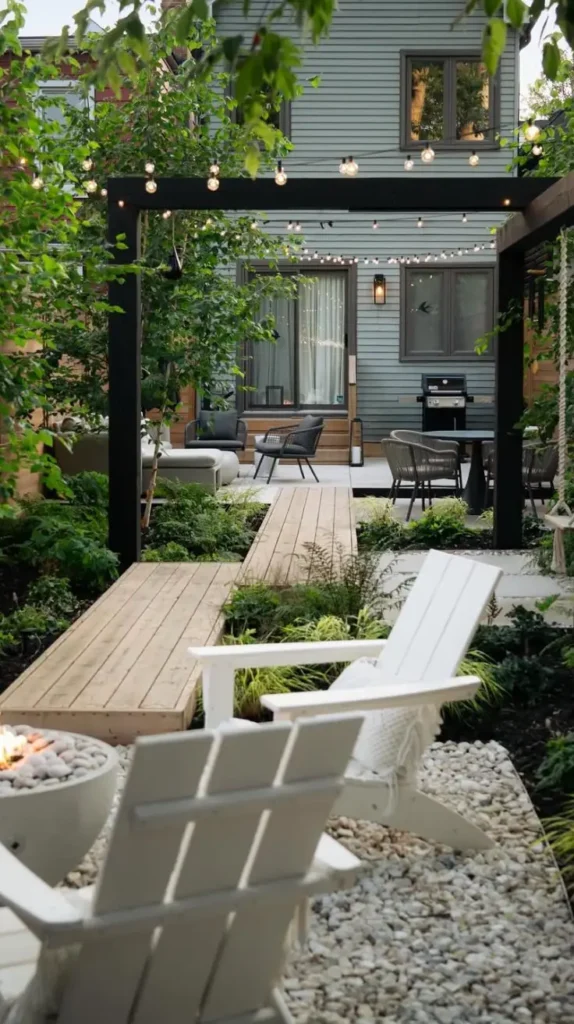
A minimalist rooftop design focuses on clarity, calmness, and intentional living. Instead of filling the space with many objects, every piece serves a purpose. Clean lines, open areas, and neutral colors create a sense of order that feels refreshing in busy urban environments. White, gray, beige, and black often dominate the palette, while natural materials like stone, glass, and smooth wood soften the overall appearance.
Furniture selection becomes highly selective. A sleek outdoor sofa, a low-profile table, or a single sculptural chair can define the entire layout. Space is not considered wasted; it becomes part of the design itself, allowing the eye and mind to rest. This approach works especially well for those who prefer quiet environments without visual clutter.
Even decorative elements are carefully chosen. Instead of many small items, one bold plant, a geometric planter, or a statement light fixture takes center stage. At night, subtle lighting enhances the simplicity rather than overpowering it. The rooftop feels calm, balanced, and almost meditative, offering a quiet escape above the noise of everyday life.
Bohemian-Inspired Spaces Full of Personality
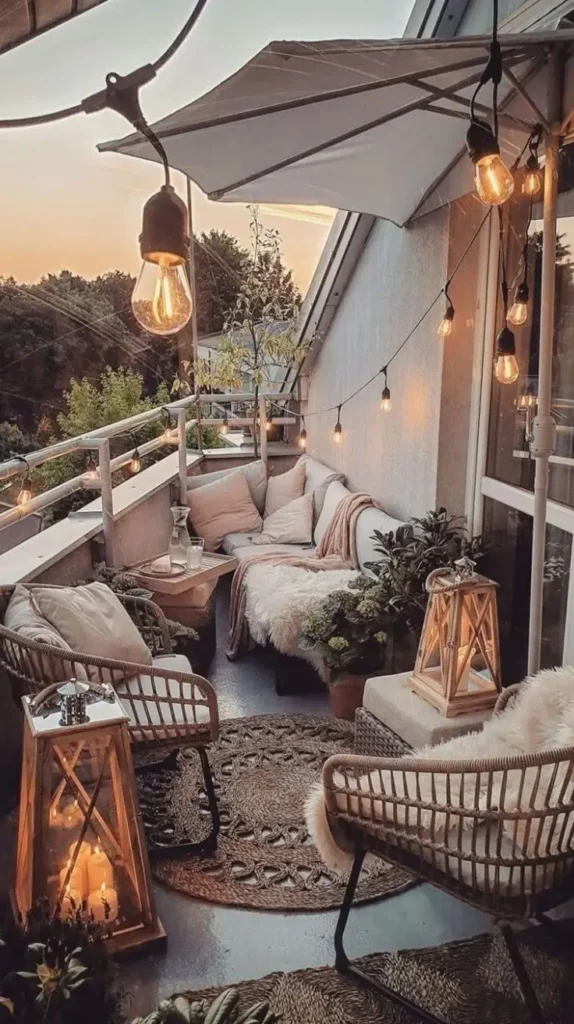
A bohemian rooftop design celebrates creativity, freedom, and layered textures. It breaks traditional rules and instead focuses on emotional expression. Every corner tells a story through mixed patterns, vibrant colors, and handcrafted details. Soft rugs laid over outdoor flooring instantly warm the space, while oversized cushions and floor seating create a relaxed, informal atmosphere.
Materials play a huge role in this style. Woven rattan chairs, bamboo accents, macramé hangings, and wooden stools all come together to create depth and character. Instead of matching everything perfectly, contrast is encouraged. Earth tones blend with bold reds, deep blues, and mustard yellows, creating a space that feels alive and energetic.
Plants are essential in bohemian design. They are often placed in mismatched pots or suspended in hanging baskets, adding layers of greenery at different heights. Lighting is soft and magical—fairy lights, lanterns, and candles create a dreamy evening environment.
The beauty of this style lies in its imperfection. Nothing feels staged or rigid. The rooftop becomes a personal retreat filled with memories, personality, and warmth, where every object feels chosen with emotion rather than rules.
Rooftop Bars for Entertaining Guests
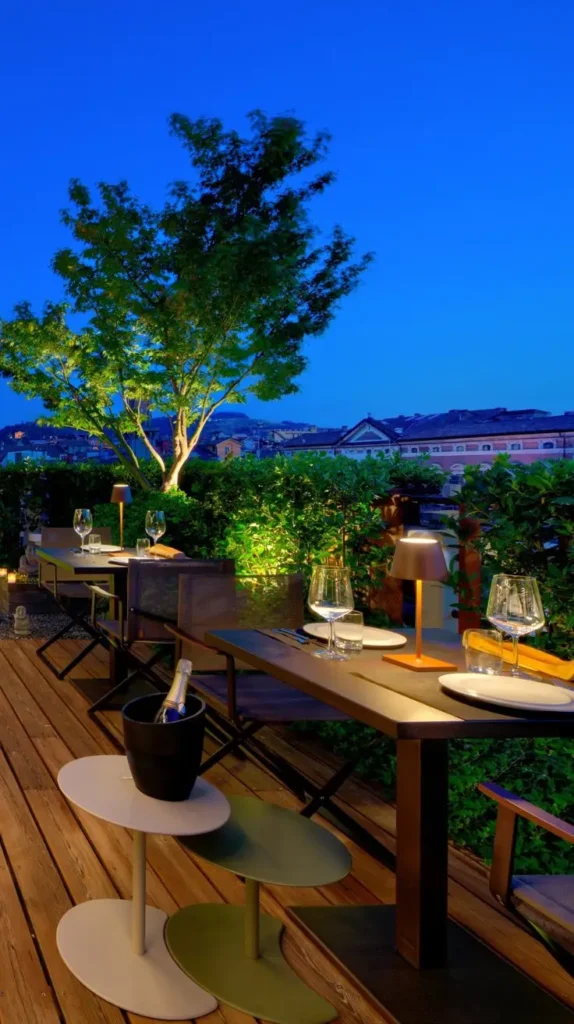
A rooftop bar transforms an ordinary outdoor space into a lively social destination. It becomes a place where conversations flow easily, music sets the mood, and evenings feel more memorable. At the center of this setup is a bar counter, which can be simple or elaborate depending on available space. Wood brings warmth and a casual vibe, while stone or polished concrete adds a modern, upscale feel.
Bar stools line the counter, encouraging interaction and movement. Storage beneath the counter keeps glasses, bottles, and accessories organized, ensuring the space stays functional as well as stylish. Even a small rooftop can accommodate a compact bar design if the layout is planned efficiently.
Lighting is what truly defines the atmosphere. Soft LED strips under the counter, pendant lights overhead, or glowing shelves create a dramatic nighttime effect. Music speakers subtly integrated into the space enhance the social energy without overwhelming conversation.
What makes a rooftop bar special is its ability to shift energy instantly. A quiet afternoon setup can transform into a vibrant evening gathering spot. The rooftop stops feeling like just an outdoor area and becomes an experience built around connection, celebration, and shared moments.
Outdoor Kitchens for Functional Living
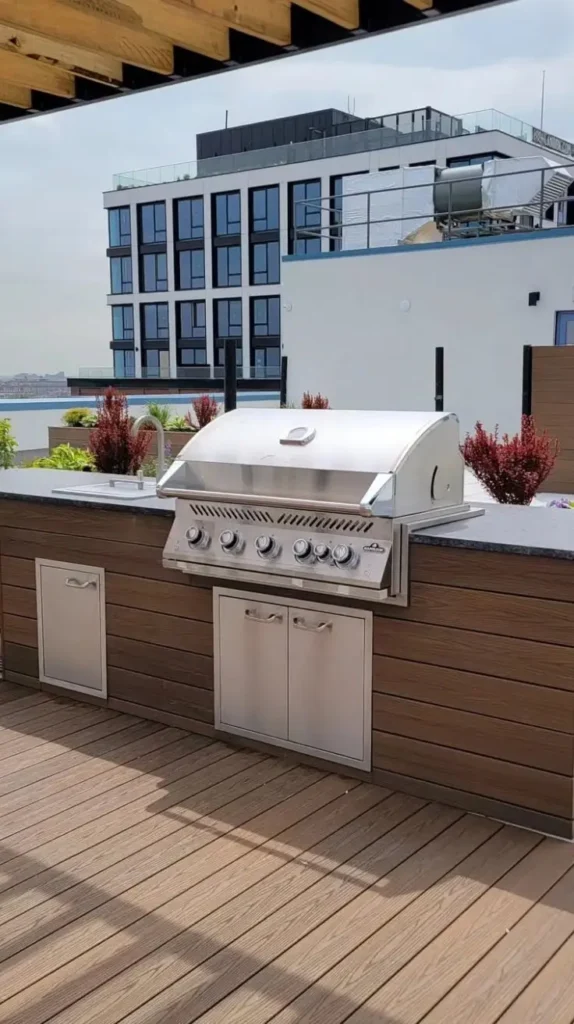
An outdoor kitchen turns a rooftop into a fully functional living and entertaining space. Instead of just relaxing or sitting, cooking becomes part of the social experience. A basic setup usually includes a grill, countertop space, and some storage, but more advanced designs may incorporate sinks, mini refrigerators, and even pizza ovens.
Durability is essential because rooftop environments face sun, wind, and occasional rain. Stainless steel appliances, stone countertops, and weather-resistant cabinetry ensure long-lasting performance. Layout planning is also important. The cooking zone should stay separate from seating areas to maintain safety while still allowing interaction between guests and the cook.
What makes this setup powerful is its ability to bring people together. Cooking outdoors feels more engaging and less isolated than cooking indoors. Conversations continue while food is prepared, and the entire rooftop becomes a shared environment.
Small design touches elevate the experience even further. Herb planters near the cooking area add freshness and convenience. Ambient lighting allows cooking to continue into the evening. Over time, the rooftop kitchen becomes a natural gathering point where food, conversation, and atmosphere blend seamlessly into one experience.
Read – Outdoor Patio Kitchen Ideas
Privacy Screens for a More Intimate Setting
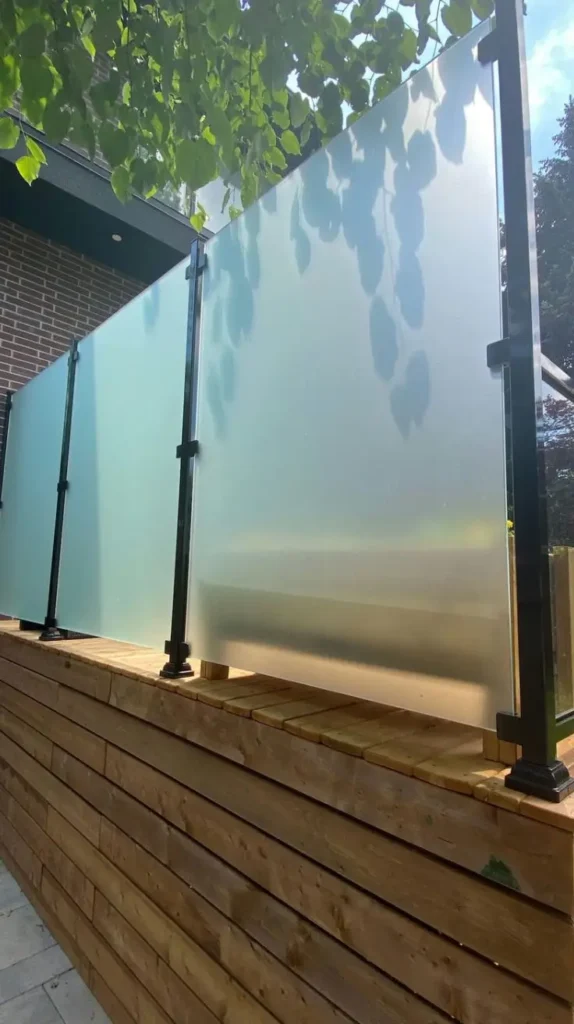
In urban environments, rooftops often feel exposed, which is why privacy solutions are essential for comfort. Screens, partitions, and natural barriers help create a sense of seclusion without completely blocking openness. Wooden slats offer a warm, natural appearance, while metal panels with geometric cutouts add a modern, artistic touch. Fabric curtains provide softness and can be adjusted based on the wind or the sunlight.
Plants also serve as highly effective privacy tools. Tall potted bamboo, vertical gardens, or dense greenery walls create natural separation while enhancing the overall atmosphere. These elements not only block unwanted views but also contribute to a calmer and more peaceful environment.
Privacy design does more than just hide the space; it reshapes how it feels. A well-protected rooftop feels safer, more personal, and more relaxing. Conversations become more comfortable, and time spent there feels less exposed to the outside world.
Designers often combine multiple privacy layers for a better effect. For example, a wooden screen paired with climbing plants and soft lighting creates depth and warmth. Over time, the rooftop feels less like an open platform and more like a secluded retreat floating above the city.
Lighting Designs That Transform the Night
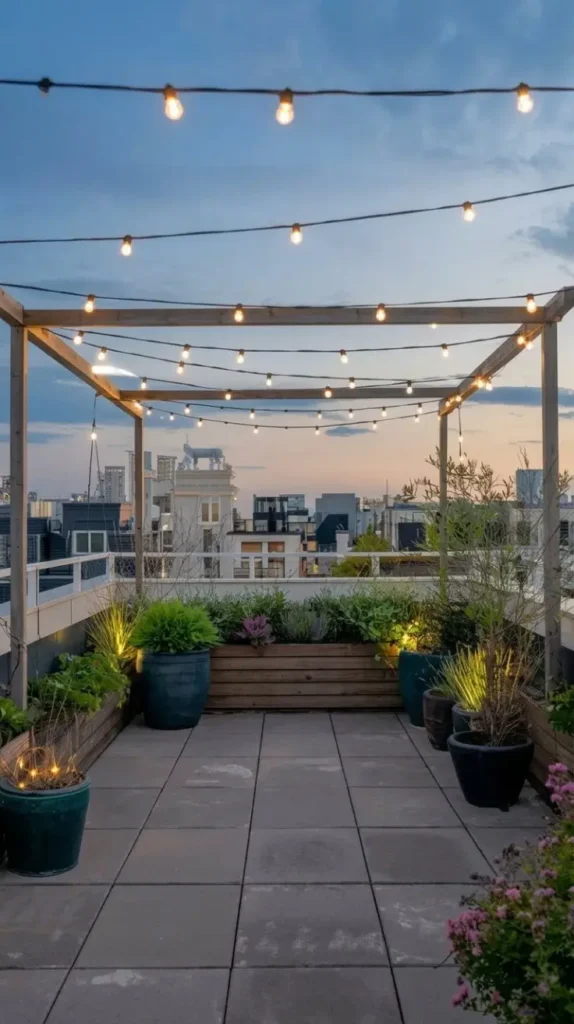
Lighting has the power to completely redefine a rooftop once the sun goes down. During the day, the space may feel open and simple, but at night, lighting introduces mood, depth, and emotion. Layered lighting is the key approach, combining ambient, task, and accent lighting to create a balanced atmosphere.
String lights stretched across open areas create a soft, glowing canopy effect. Lanterns placed on tables or along pathways add charm and intimacy. LED strips under seating or railings provide subtle modern highlights. Each layer contributes to a different emotional tone.
Solar-powered lighting is especially useful for rooftop spaces since it reduces wiring complexity and energy use. Smart lighting systems can also adjust brightness and color temperature depending on the occasion, making the space highly adaptable.
What makes rooftop lighting truly special is its transformation effect. Shadows become part of the design, textures become more visible, and familiar spaces take on a completely new identity. A simple seating area can suddenly feel like a cozy outdoor lounge or an elegant evening venue.
As darkness settles, the rooftop becomes something almost cinematic, quiet, glowing, and full of atmosphere that feels completely different from daytime life.
Multi-Functional Rooftop Spaces That Adapt to Everyday Life
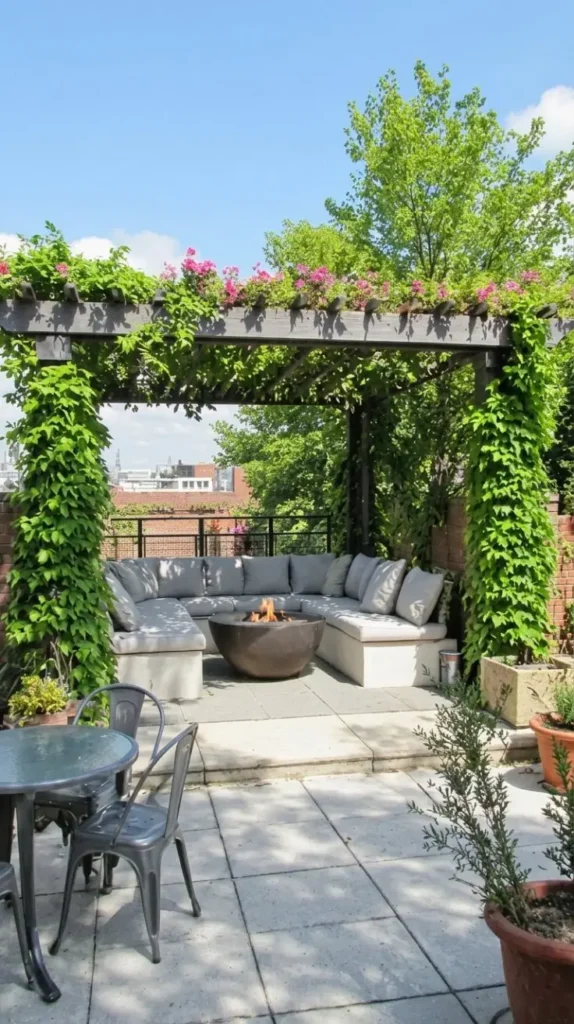
A rooftop becomes far more valuable when it can serve multiple purposes without feeling crowded or confusing. Instead of limiting the space to just one activity, a multi-functional design allows it to shift naturally between relaxation, dining, work, and entertainment. This flexibility turns even a small rooftop into a highly efficient outdoor living area that feels different depending on the time of day.
The foundation of this idea starts with smart zoning. One corner can hold a lounge setup with soft seating for quiet moments, while another area supports dining or casual gatherings. A third section can stay open for movement, yoga, or even small events. These zones do not need physical walls; rugs, lighting, and furniture placement are enough to define each space clearly.
Furniture plays a major role here. Modular sofas, foldable chairs, stackable stools, and tables with hidden storage all help save space while increasing usability. Lightweight pieces allow easy rearrangement, which keeps the rooftop from feeling static. When the layout changes, the entire mood of the space changes with it.
Read

She has nearly 5 years of expertise in organic gardening, plant pests and diseases, landscape design, horticulture, and permaculture. She is a Master Gardener and Horticulturist.
She includes keywords and phrases that raise the content’s search engine ranking because she has a good grasp of SEO best practices.
- Halloween Ceiling Decorations That Turn Any Room Into a Spooky Scene - September 25, 2026
- Cardboard Halloween Decorations That Turn Simple Boxes Into Spooky Magic - September 24, 2026
- Halloween Porch Decorating Ideas That Make Your Home Spooktacular - September 23, 2026